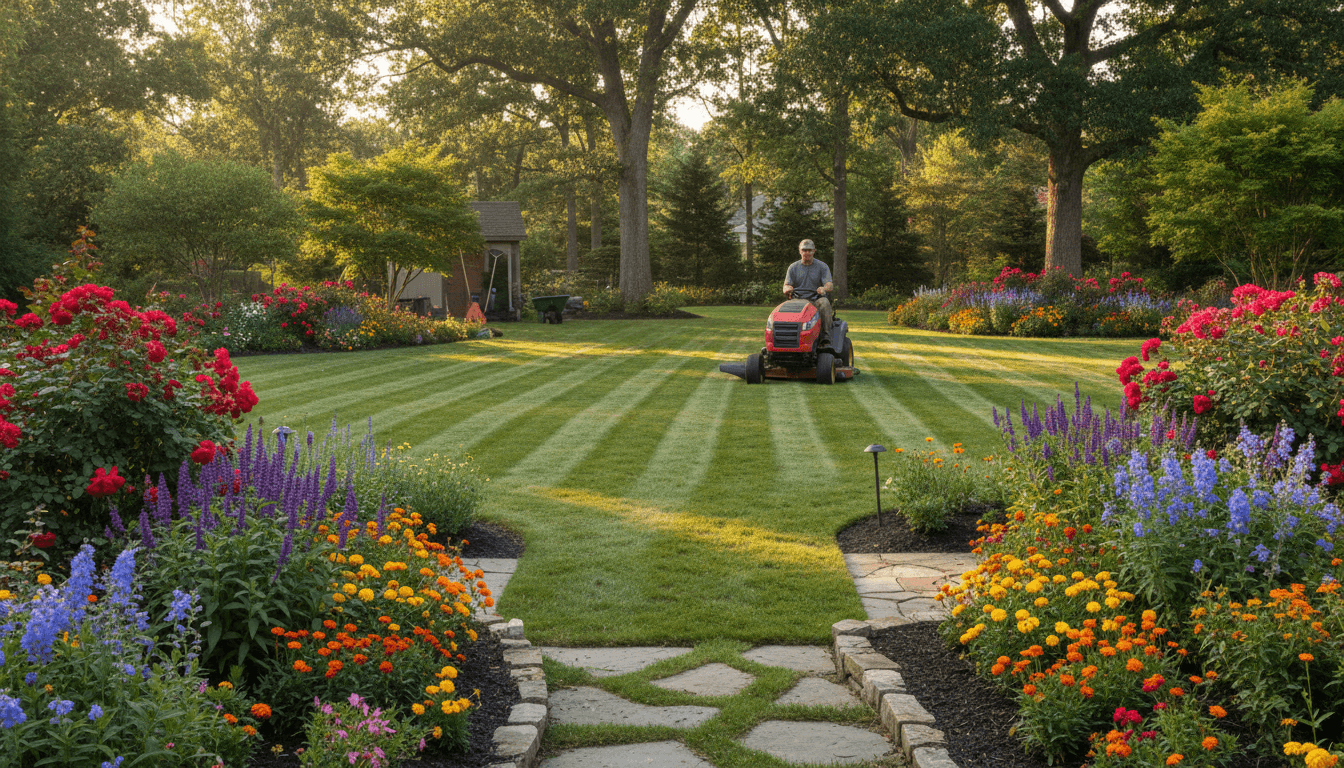
You should plan when to stop mowing lawn for winter Tennessee once daytime temperatures consistently drop below 50 degrees Fahrenheit, which typically occurs between late October and mid-November. Perform your final cut at a height of two to three inches to prevent the grass from matting or developing disease during the cold months; once the grass stops growing for the season, it is safe to put the mower away.
As the crisp autumn air settles over Sumner County, many homeowners find themselves staring at their lawn mower, wondering if it is finally time to pack it away or head out for one last pass. Timing this transition is critical in Middle Tennessee; our local fescue lawns face unique challenges from fluctuating temperatures and shifting dormancy cycles. Mowing too late can stress the turf, while stopping too early leaves your grass vulnerable to disease and snow mold during our unpredictable winters. We understand the nuances of the Gallatin climate, so we have developed this expert guide to help you navigate the end of the season. You will learn the specific temperature thresholds that signal dormancy, the ideal height for your final cut, and a practical checklist to ensure your landscape remains healthy and resilient until the spring thaw arrives.
The Middle Tennessee Mowing Window: Why Timing Matters in Gallatin
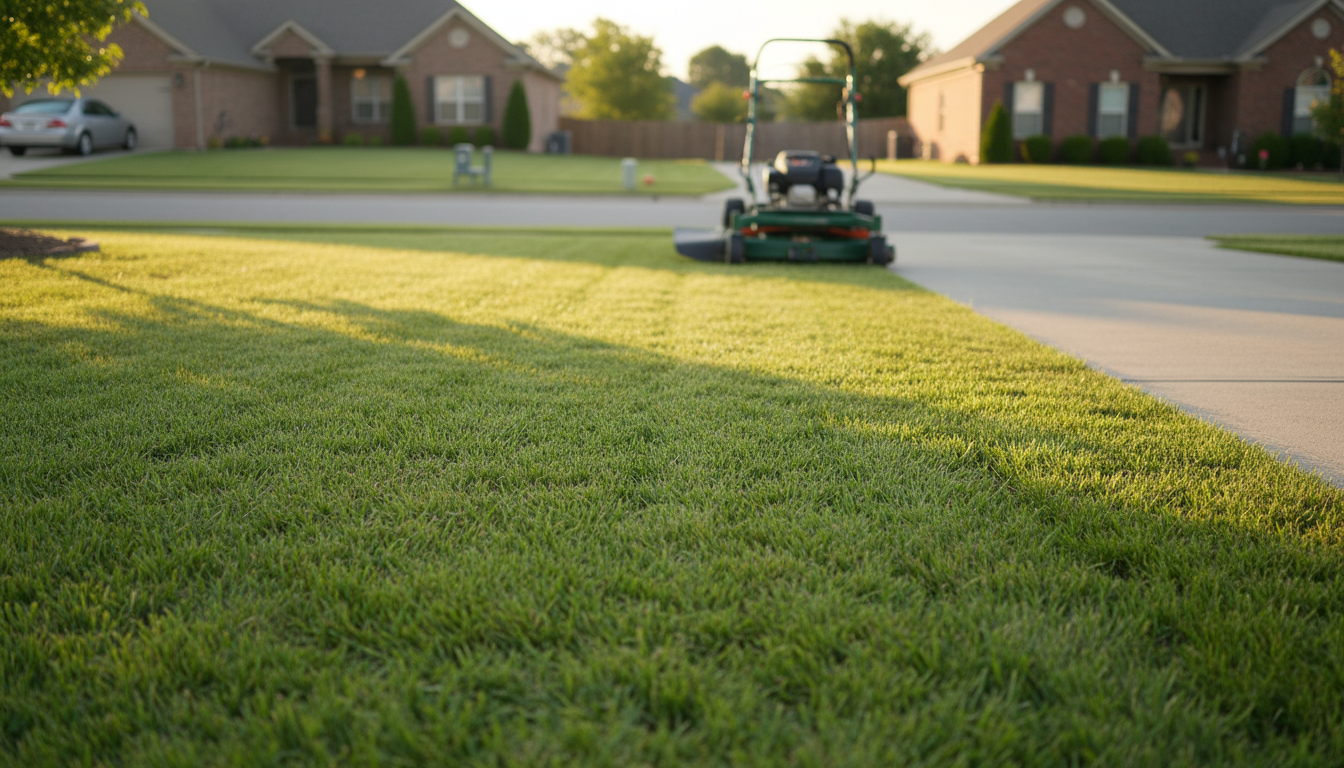
In Gallatin and throughout Sumner County, the transition from fall to winter is rarely a straight line. While national lawn care calendars might suggest a hard cutoff date in mid-October, Middle Tennessee weather is famously erratic. Our professional team often sees a 70 degree afternoon followed by a hard frost within the same 48 hour window. This volatility makes timing your final cut a strategic decision rather than a fixed calendar event.
Determining exactly when to stop mowing lawn for winter Tennessee homeowners depends heavily on the specific behavior of your turf. Many yards in Hendersonville and Portland feature Bermuda grass, which browns and enters dormancy as soon as the overnight lows dip. However, the lush Tall Fescue common in Gallatin is a cool-season grass. It thrives in the crisp air near Old Hickory Lake and continues to grow long after the warm-season lawns have turned straw-colored.
If you stop too early while the Fescue is still active, you risk entering December with an overgrown lawn that invites disease. Conversely, mowing too late into a hard freeze can stress the root system. Effective routine maintenance and timely seasonal cleanups hinge on monitoring local soil temperatures and growth rates rather than following a generic, one-size-fits-all guide.
Identifying the Temperature Threshold for Fescue Dormancy
Successful lawn care in Sumner County relies on observing the thermometer rather than the calendar. The primary indicator for Fescue is the 50 degree rule. Once daytime highs consistently fail to break 50 degrees Fahrenheit, Fescue grass begins to pivot its metabolic energy. Instead of pushing new height that requires frequent routine maintenance, the plant focuses on strengthening its root system for the coming frost.
Homeowners often ask: At what temperature does Fescue grass go dormant? Unlike the Bermuda or Zoysia grass common in some Gallatin neighborhoods, which enters a full, brown dormancy as soon as the first frost hits, Fescue is more nuanced. It typically enters a semi-dormant state when soil temperatures drop into the low 40s. In our local climate, this means your lawn will likely stay green throughout the winter, even if it has stopped growing taller.
This distinction is vital for determining when to stop mowing lawn for winter Tennessee weather patterns. If you notice the grass has not grown more than a fraction of an inch in two weeks and temperatures are staying in that 40 to 50 degree range, you have reached the threshold. While the professional team at Clayton's Lawn & Landscape monitors these shifts for our clients, you can spot it yourself by watching the growth rate slow to a crawl. Transitioning into seasonal cleanups during this period ensures the turf is clear of debris before the growth stops entirely, protecting that semi-dormant green through the coldest months.
The Debate: How Low Should You Mow Fescue Before Winter?

Searching for the ideal height for a final seasonal cut often leads to contradictory advice. Some national landscaping guides advocate for a short, two-inch buzz to keep things tidy, while others suggest leaving Fescue at four inches to maximize photosynthesis. For the specific conditions in Gallatin and surrounding Sumner County, where heavy clay soil retains moisture longer than sandy coastal regions, our professional team recommends a final height of 2.5 to 3 inches.
This specific range serves two critical purposes. First, keeping the grass at least 2.5 inches protects the crown, the vital growing point near the soil surface, from the sharp frosts that settle into the Middle Tennessee lowlands. Second, capping the height at 3 inches prevents the blades from "flopping" over. When Fescue grows too long in our humid winter environment, the blades mat down under the weight of cold rain or occasional snow. This creates a dense, airless layer over the clay soil that invites snow mold and other fungal pathogens to take hold while the lawn is dormant.
Achieving this height requires a strategic approach rather than a single, drastic cut. A common mistake when determining when to stop mowing lawn for winter Tennessee is violating the one-third rule. If your lawn has reached five inches during a late-October growth spurt, removing half the blade length in one day will shock the plant and weaken the root system. Instead, use your routine maintenance schedule to gradually lower the mower deck over your final two or three visits. This staged reduction ensures the grass remains healthy and resilient, maintaining that crisp, clean look Clayton's is known for without compromising the health of the turf before the hard freezes arrive.
Why Long Grass is Dangerous for a Tennessee Winter
Leaving Fescue longer than four inches as we head into a Gallatin winter invites two primary problems: disease and pests. While a lush, tall lawn looks healthy in October, it becomes a liability during the damp, cold months of January and February. Knowing when to stop mowing lawn for winter Tennessee homeowners depends on observing the growth rate, but letting blades exceed four inches creates a dangerous matting effect. Heavy frost or the occasional Sumner County snowfall pushes these long blades down against the soil. Because our local clay soil naturally retains moisture, this creates a soggy, airless blanket over the turf.
This environment is the perfect breeding ground for snow mold, a fungal issue that can leave unsightly dead patches in your yard come spring. Without proper airflow, pathogens thrive under the matted grass. Beyond fungi, overgrown lawns provide ideal winter habitats for field mice and other rodents common in rural and suburban areas like Portland and Hendersonville. These pests nest in the long grass to stay warm, often chewing on the grass crowns or digging tunnels that damage the root system. Our professional team prioritizes precise routine maintenance and comprehensive seasonal cleanups to ensure your lawn is short enough to breathe yet sturdy enough to survive the frost without becoming a sanctuary for local wildlife or disease.
The Last Mow Checklist for Gallatin Homeowners
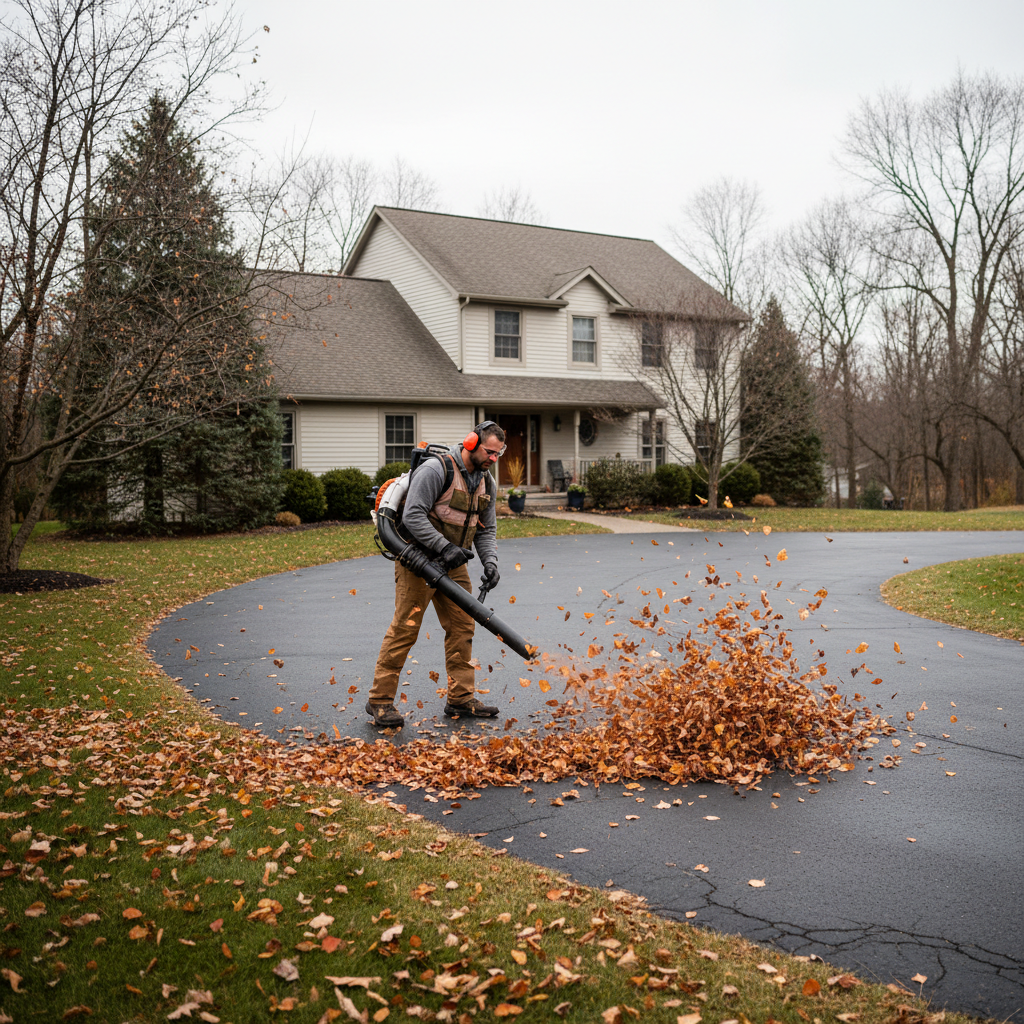
Preparing for the final cut requires more than just lowering the mower deck. Following a specific workflow ensures your turf survives the Middle Tennessee frost in peak condition. This checklist moves beyond simply shortening the blades; it focuses on long term health and the crisp aesthetics that define a well-kept Gallatin property.
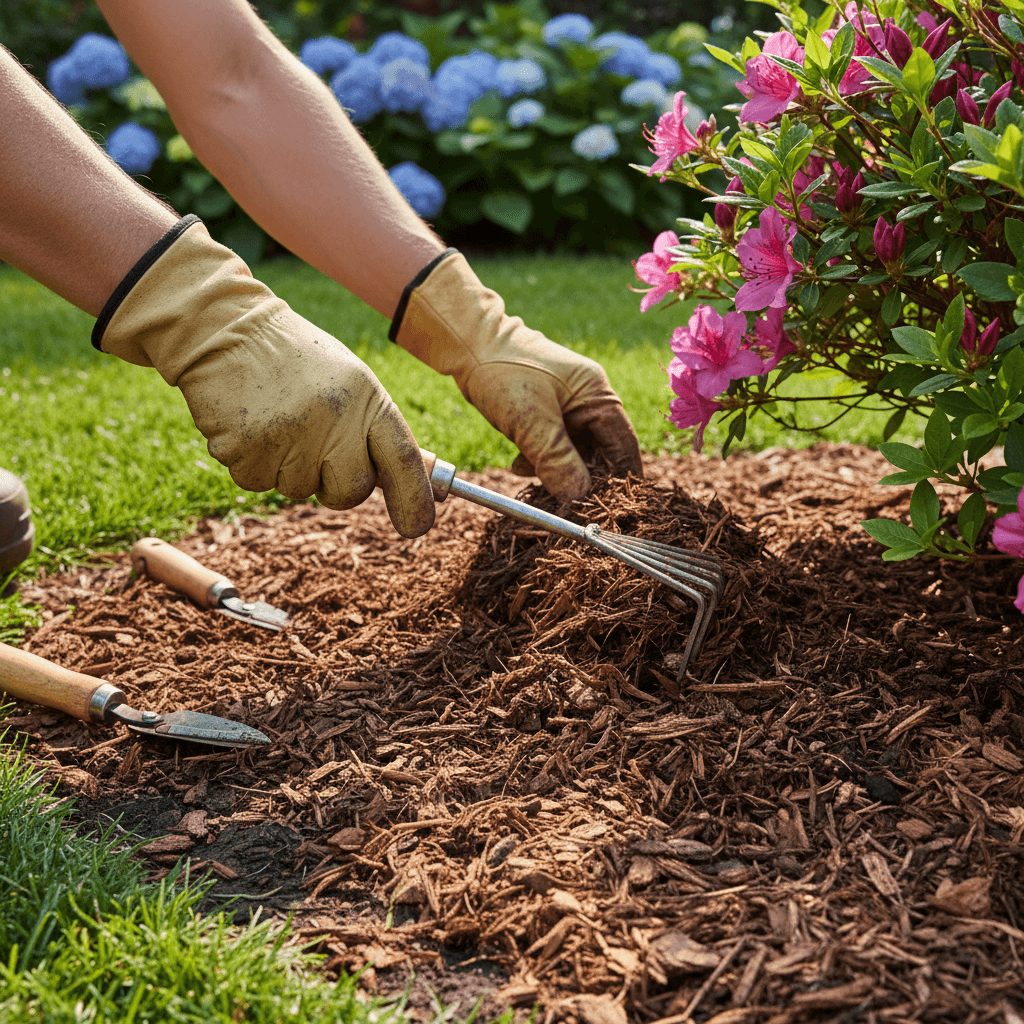
Clear all fallen debris: The mature oaks and maples found throughout Sumner County drop heavy foliage that is hazardous to Fescue. A thick layer of wet leaves smothers the grass, blocking vital sunlight and trapping the moisture that fuels snow mold. Complete your seasonal cleanups before that final pass to ensure the mower makes direct contact with the grass.
Sharpen your mower blades: A dull blade tears the grass rather than cutting it, leaving a jagged edge that takes longer to heal. With freezing temperatures approaching, a clean, swift cut allows the plant to seal off the blade tip quickly. This reduces the risk of winter desiccation and fungal intrusion.
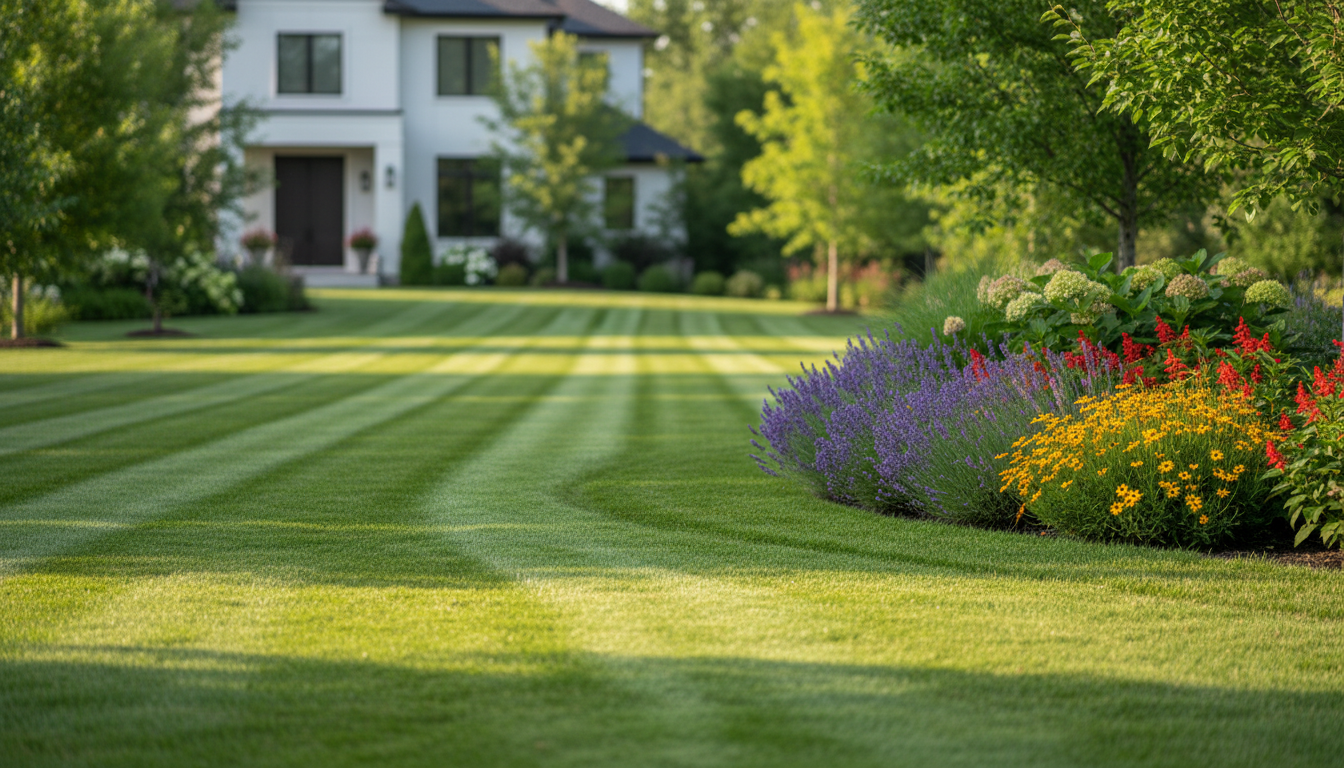
Define the edges: Deep, sharp lines along driveways and walkways are the hallmark of a professional team. Since the grass will remain static for several months, precise edging provides the structural definition that maintains your property's curb appeal through the winter.
Inspect for bare patches: Use this final walk-through to spot thin areas that may benefit from dormant seeding. Because Fescue is a bunching grass, it cannot fill in bare spots on its own.
Executing these steps while deciding when to stop mowing lawn for winter Tennessee weather patterns ensures your lawn is protected. Consistent routine maintenance throughout the year makes this final checklist a simple transition into the dormant season.
Common Questions About Late Season Lawn Care in Sumner County
Navigating the end of the season leads to several specific questions for local property owners. Many people ask if October is too late to mow the lawn. In Sumner County, the answer for Fescue lawns is almost always no. Because Fescue thrives in cooler temperatures, our professional team often continues routine maintenance well into mid-November. Stopping in October would leave the grass too long during its final active growth spurt, leading to the matting issues discussed earlier.
Another common concern is whether Fescue should be cut back in the fall. You should indeed lower your mower blades, but not as drastically as you would for a Bermuda lawn. Transitioning from a summer height of four inches down to approximately three inches helps the plant stay upright and prevents the crown from being exposed to harsh winds.
Geography within the county also plays a role in determining when to stop mowing lawn for winter Tennessee residents. Properties in Hendersonville, especially those with heavy tree cover near the water, might see growth slow sooner due to shade and cooler soil. Conversely, higher elevation lots in Portland often face earlier frosts, which might require shifting your seasonal cleanups forward by a week compared to downtown Gallatin. Monitoring your specific micro-climate ensures the grass is prepared for the first hard freeze.