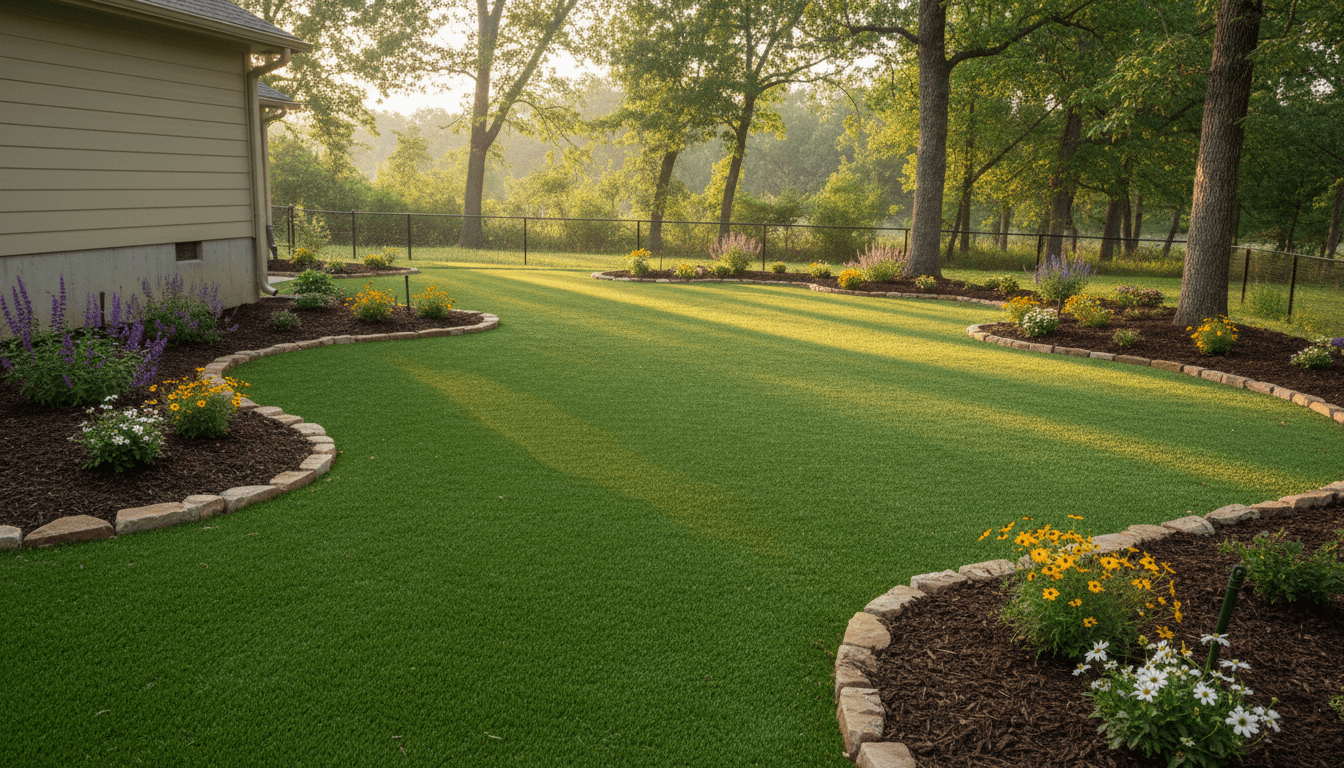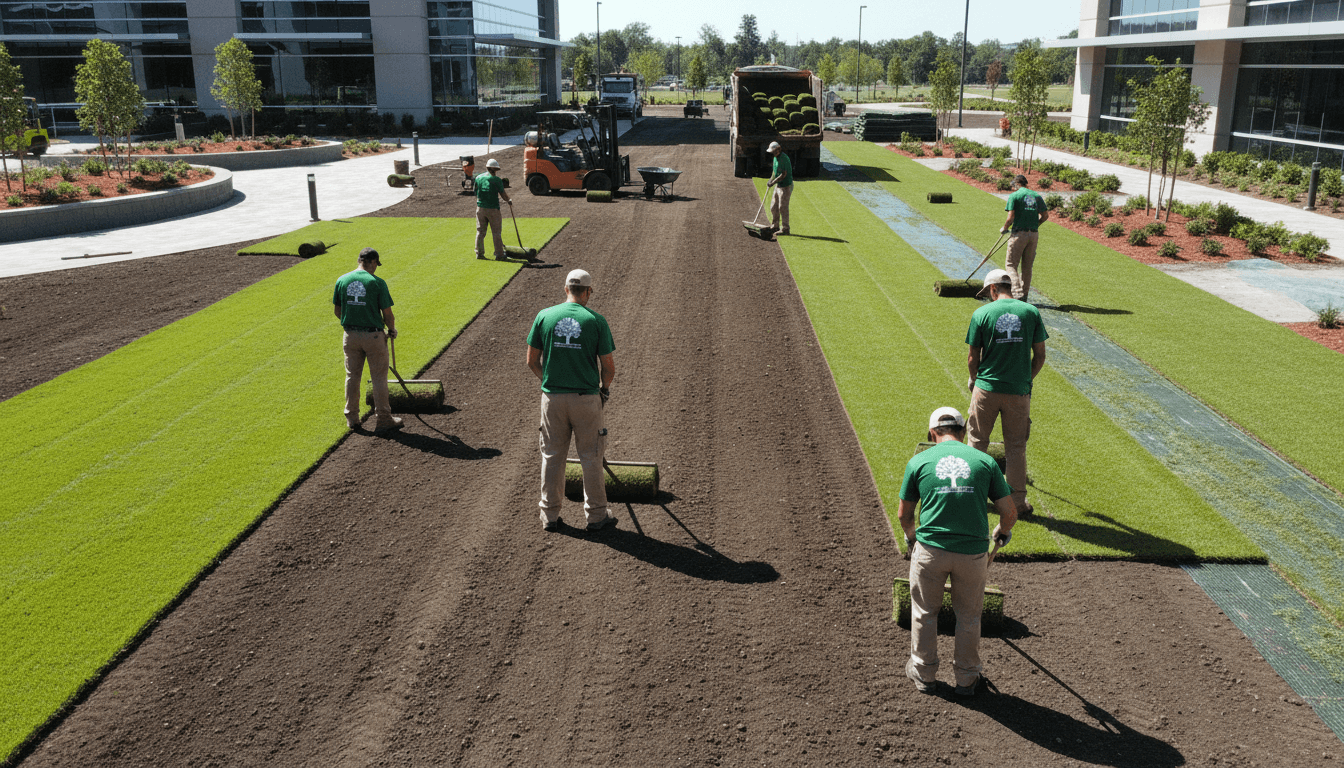
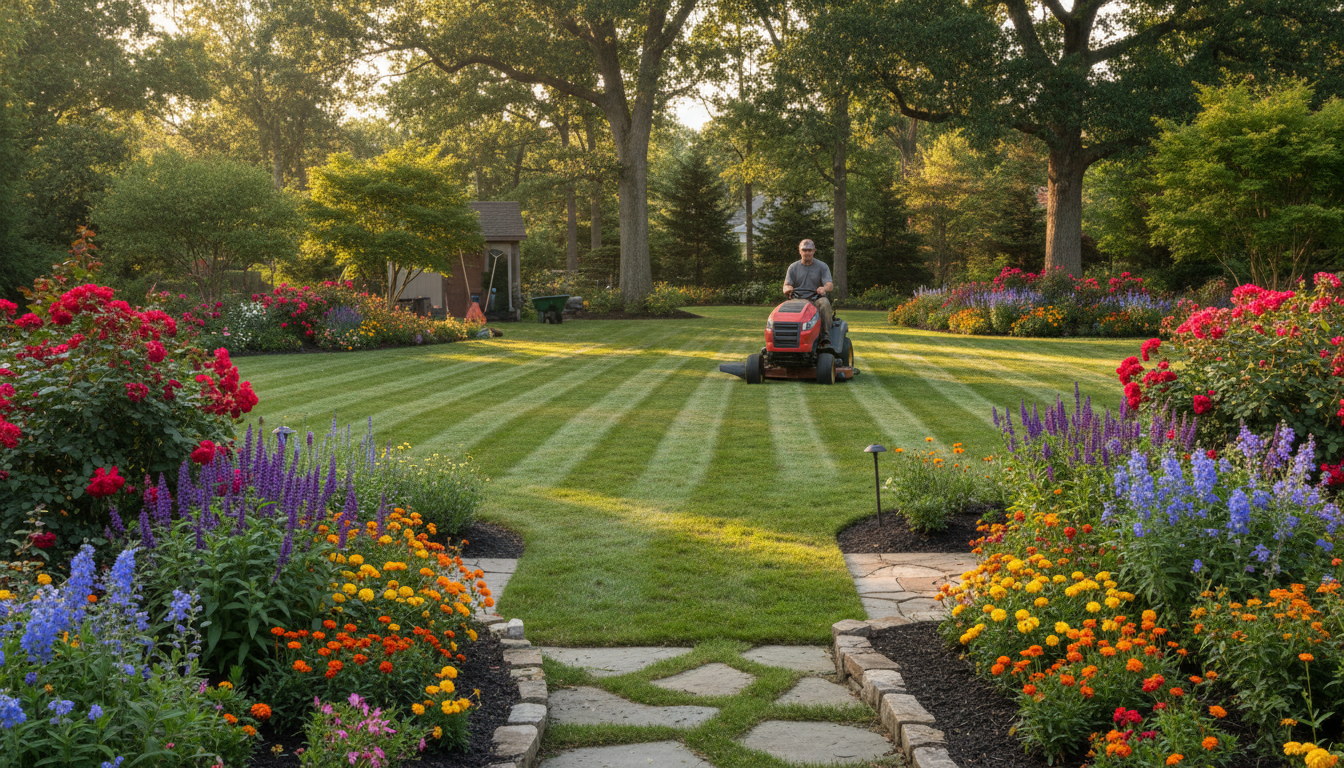
The ideal tall fescue mowing height Tennessee homeowners should maintain is between 3 and 3.5 inches during the regular growing season. For optimal summer survival, raise the blade to 3.5 or 4 inches to shade the soil and protect root systems from high heat. Following these guidelines helps maintain a lush, healthy lawn throughout the intense Middle Tennessee summer.
Watching your vibrant lawn fade into a scorched shade of brown as the Middle Tennessee heat intensifies is a frustrating experience for any Gallatin homeowner. While many attribute this decline solely to a lack of rain, the primary culprit is often an incorrect mowing height that leaves the root system exposed. In our unique transition zone climate, maintaining the right blade height is a vital strategy for survival. This guide provides the specific insights you need to manage your Tall Fescue throughout the year. You will learn why four inches is the essential standard for summer resilience, how our local clay soil dictates your maintenance schedule, and the professional adjustments required to protect your investment. By mastering these height requirements; you can ensure your turf remains thick and healthy even when the Sumner County humidity peaks.
Understanding Tall Fescue in Middle Tennessee’s Transition Zone
In Gallatin and throughout Sumner County, Tall Fescue stands as the primary choice for residential turf. It provides a deep green color and handles our varied climate better than most, but it faces a unique challenge. Middle Tennessee sits firmly within the transition zone, a geographic belt where the environment is often too hot for cool-season grasses and too cold for warm-season varieties. Our lawns endure freezing winter temperatures and sweltering, humid summers that push Fescue to its physiological limits.
Surviving a Tennessee July depends on more than just watering. The tall fescue mowing height Tennessee homeowners choose is the single most influential factor in determining if a lawn stays vibrant or turns into a brown, dormant mess by August. When the heat spikes, the grass relies on its blade length to protect its root system. At Clayton’s Lawn and Landscape, our dependable lawn care services are built around this understanding. We provide routine maintenance including mowing that respects the specific needs of Gallatin properties. Our team has years of experience managing these local conditions, ensuring your turf has the structural integrity to withstand the transition zone's harshest months. By prioritizing proper height, we help your lawn maintain its health even when the thermometer hits triple digits.
The Ideal Tall Fescue Mowing Height Tennessee Residents Need to Know

Maintaining a healthy lawn in Sumner County requires a shift in how you view your mower settings. The ideal tall fescue mowing height Tennessee homeowners should aim for falls between 3 and 4 inches throughout the year. While 3 inches is often cited as the standard for encouraging a thick turf during the growing season, we consider 4 inches to be the survival height. When temperatures in Gallatin start to climb, that extra inch provides a critical buffer against the sun.
To manage this height effectively, you must strictly follow the 1/3 rule. This rule dictates that you should never remove more than one-third of the grass blade during a single mowing session. If your fescue has grown to 6 inches, cutting it down to 3 inches in one pass shocks the plant; it forces the grass to divert energy away from root development to repair the damaged blades. For those utilizing routine maintenance including mowing, keeping a consistent schedule ensures you never have to break this rule and compromise the health of the turf.
Consider a typical neighborhood in Hendersonville during a July heatwave. A lawn maintained at a 4-inch height acts as its own canopy, keeping the soil cool and moisture locked in. In contrast, a neighbor who scalps their lawn at 2.5 inches exposes the crown of the plant to direct sunlight. The 4-inch lawn will remain significantly greener and more resilient, while the shorter lawn will likely turn brown and struggle with weed invasion. Our dependable lawn care services prioritize these specific height requirements to protect your investment against the Tennessee heat.
Summer Survival: Why 4 Inches is the Magic Number for Gallatin Lawns
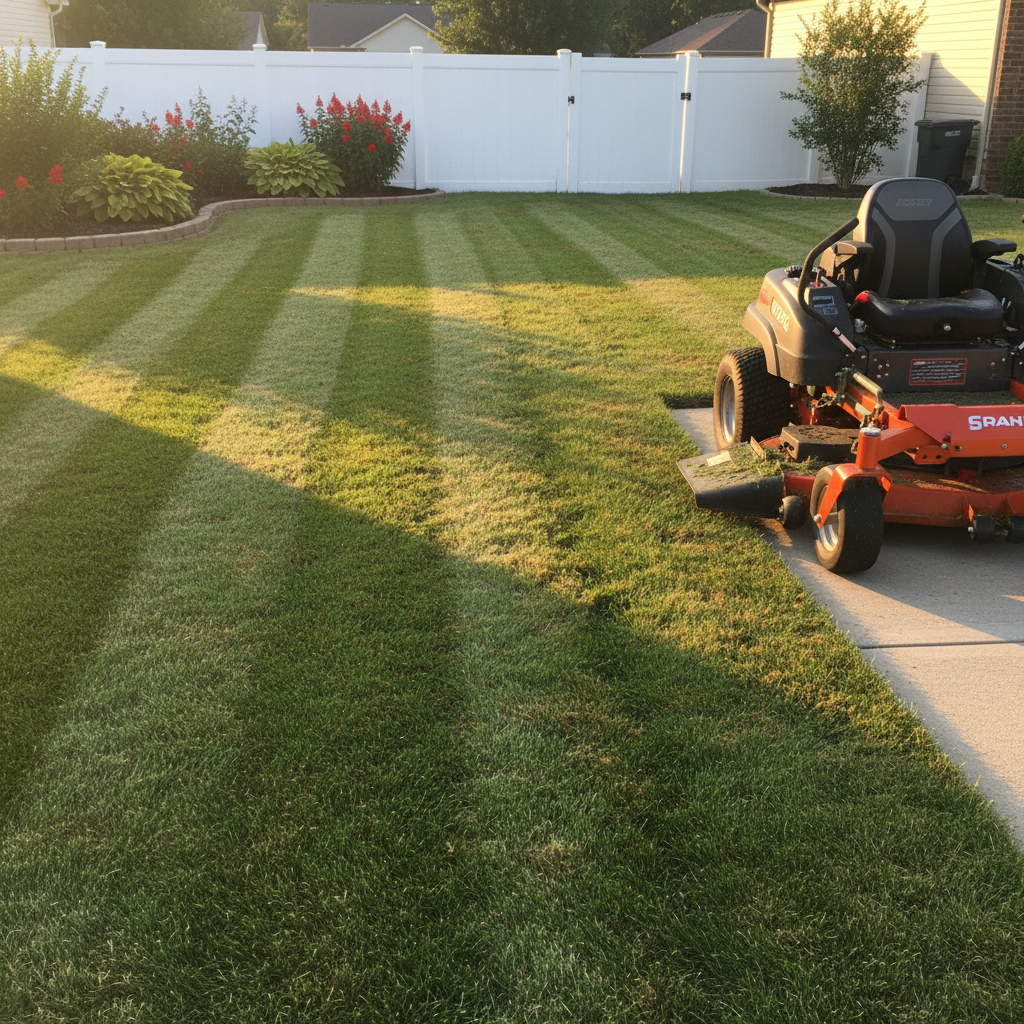
The intensity of a Middle Tennessee summer demands a specific strategy for turf survival. When homeowners ask what height should you mow tall fescue in the summer, the answer is consistently the highest setting on your equipment, typically 3.75 to 4 inches. This height is not an arbitrary preference; it is a biological necessity for cool-season grass facing 90-degree humidity and direct solar radiation.
There is a direct, proportional relationship between the height of the grass blade and the depth of the root system. A taller blade allows the plant to produce more energy through photosynthesis, which in turn fuels deeper root penetration. In Gallatin, where heavy clay soil is the standard, this depth is vital. Clay is dense and prone to compaction, making it difficult for roots to reach the moisture and nutrients they need. If you cut the grass too short, the root system shrinks, leaving the lawn vulnerable to the first dry spell in July.
Furthermore, maintaining a 4-inch height provides a natural cooling mechanism for your property. The longer blades act as a living canopy that shades the soil surface. This shade is essential for managing our local clay; without it, the sun bails the moisture out of the ground, causing the clay to bake, harden, and eventually crack. These cracks expose even more of the root zone to hot air, accelerating turf decline.
For residents managing their own routine maintenance including mowing, we recommend locking your mower deck at its highest point throughout June, July, and August. This simple adjustment keeps the soil temperature significantly lower than a lawn cut at 3 inches. By protecting the ground from direct sunlight, you preserve the moisture already in the soil. If your lawn is already showing signs of heat stress, you can contact Clayton's Lawn and Landscape to evaluate your current schedule and ensure your dependable lawn care services are optimized for the tall fescue mowing height Tennessee requires during these peak thermal months.
Seasonal Mowing Adjustments for Sumner County Lawns
A successful lawn strategy requires adjusting your mower deck as the seasons shift in Sumner County. While the tall fescue mowing height Tennessee lawns need stays within a specific range, the timing of those adjustments is critical for long-term health.
Spring (March to May): As the ground warms, aim for 3 to 3.5 inches. This height encourages the grass to tiller, which is the process of the plant sending out new shoots to thicken the turf. Maintaining this height helps shade out early spring weeds before they take hold.
Summer (June to August): Shift the mower to its highest setting, keeping the grass between 3.5 and 4 inches. This height is vital for heat protection and moisture retention in our local clay soils during the most stressful months of the year.
Fall (September to November): Gradually lower the height to 3 inches. This adjustment is necessary to prepare for annual aeration and overseeding. Shorter blades allow sunlight and new seed to reach the soil surface more effectively, ensuring better germination rates for your fall renovation.
Winter (December to February): Even in cooler months, growth can persist during mild spells. Maintain a height of 3 inches to prevent the lawn from matting down under frost or occasional snow, which can invite fungal issues like snow mold.
For homeowners in Portal or White House, maintaining routine maintenance including mowing is the only way to manage these transitions without stressing the grass. Consistent scheduling prevents the lawn from getting shaggy between cuts. If you let the grass grow too long, you are forced to choose between breaking the 1/3 rule or leaving the lawn looking unkempt. Our dependable lawn care services ensure your property stays within these seasonal benchmarks automatically. If you have questions about your specific site conditions, feel free to contact Clayton's Lawn and Landscape for a professional assessment.
The Clay Soil Factor: How Gallatin Conditions Change the Rules
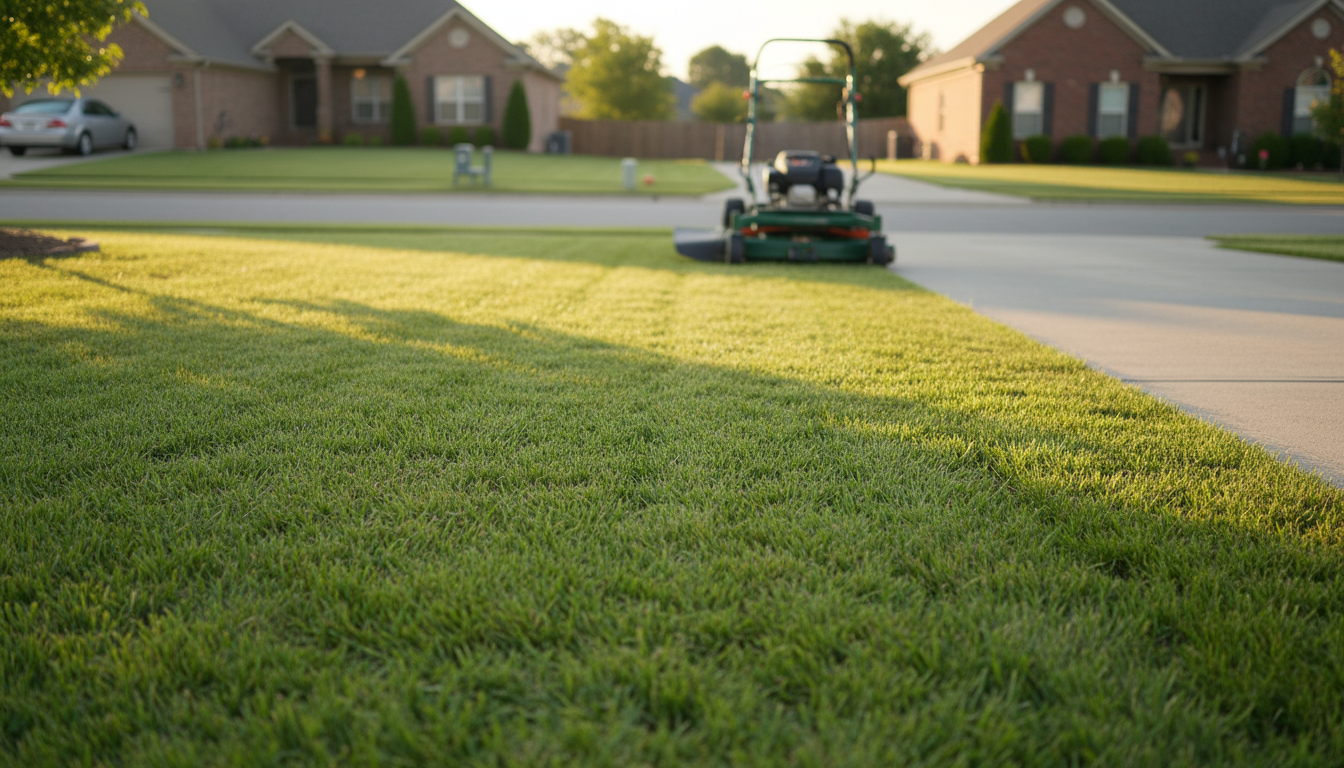
The heavy clay soil found throughout Gallatin and Sumner County adds a layer of complexity to lawn care that standard guides often overlook. While clay is excellent at retaining moisture, its dense structure lacks the necessary oxygen pockets for aggressive root growth. This makes fescue particularly vulnerable during our humid summers. If you scalp the lawn, the sun beats directly onto the exposed clay, causing surface temperatures to skyrocket. Because clay holds heat so effectively, it can literally cook the shallow root system of your grass from the bottom up.
To combat this, the tall fescue mowing height Tennessee properties require must account for soil temperature, not just plant appearance. Maintaining a height of 4 inches allows the grass blades to act as a natural mulch for the soil surface. This living canopy provides the shade necessary to keep the clay cool and porous. Without this protection, the soil surface bakes into a hard, impenetrable crust that sheds water rather than absorbing it. For residents seeking dependable lawn care services, understanding this soil dynamic is the difference between a resilient lawn and one that fails in July. Our routine maintenance including mowing plans are designed with these specific Gallatin conditions in mind. If you are noticing heat stress or cracked soil, contact Clayton's Lawn and Landscape to get your mowing schedule back on track.
What Happens When You Cut Fescue Grass Too Short?
Cutting fescue grass too short, a practice often called scalping, triggers a chain reaction that can dismantle a healthy lawn in days. When you deviate from the recommended tall fescue mowing height Tennessee summers demand, you strip away the plant's biological ability to protect itself. One of the most immediate consequences is a surge in weed germination. Tall fescue naturally shades the ground to prevent competition, but short blades allow sunlight to reach the soil surface. This provides the exact light and heat triggers needed for crabgrass and nutsedge seeds to sprout and take over your yard.
Beyond weeds, short grass is significantly more susceptible to Rhizoctonia solani, commonly known as Brown Patch disease. This fungus thrives in the high humidity found throughout Sumner County. A stressed, scalped lawn lacks the energy reserves to fight off fungal infections, often leading to large, unsightly dead zones that spread quickly. Furthermore, the lack of leaf surface area causes rapid moisture loss. In 90 degree Gallatin weather, the crown of the fescue plant can be scorched by direct sun exposure. This level of heat stress often results in permanent turf death rather than simple dormancy. Once the grass dies at the root, the only solution is a costly renovation involving professional aeration and overseeding in the fall. If your lawn has been cut too short and is showing signs of wilting or browning, contact Clayton's Lawn and Landscape to discuss how our dependable lawn care services can help restore its health through proper routine maintenance including mowing.
Pro Tips for a Sharp, Healthy Cut
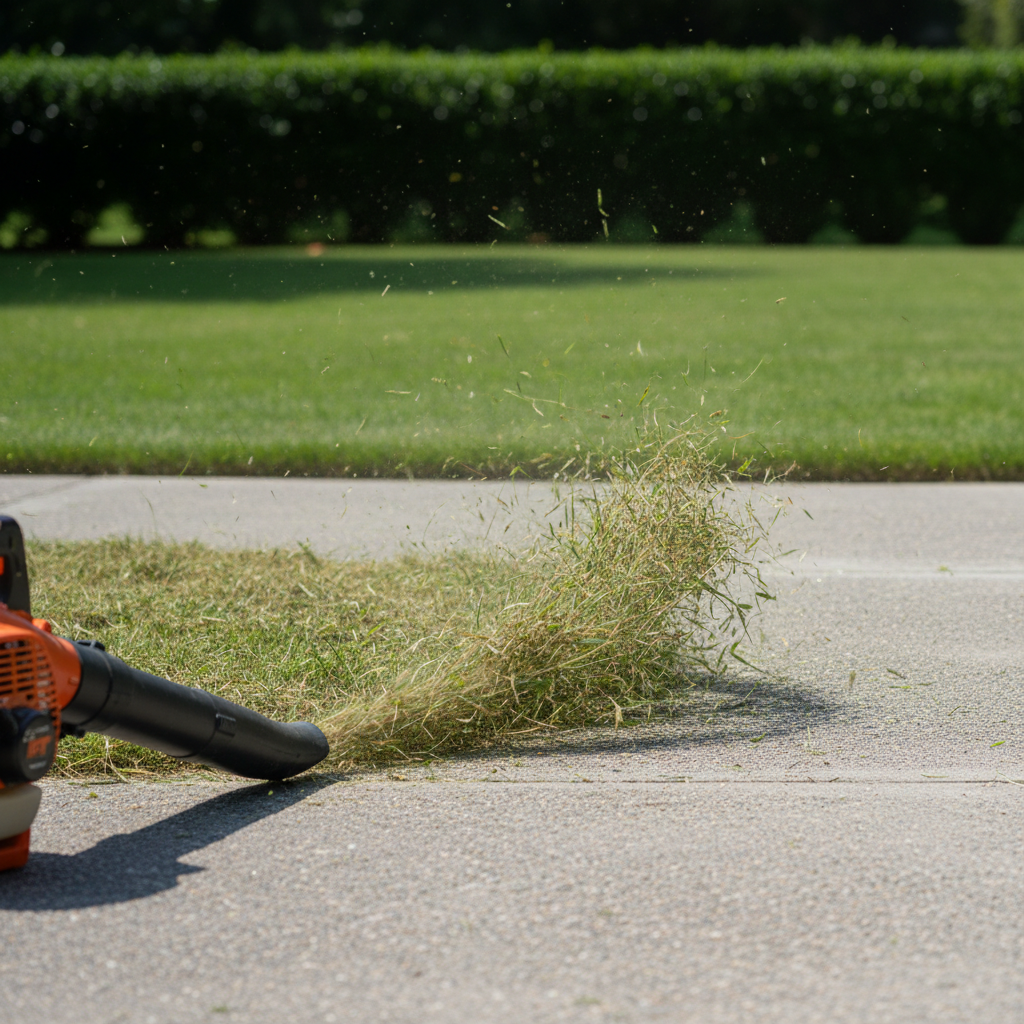
Achieving the right tall fescue mowing height Tennessee lawns require is only half the battle; the quality of the cut matters just as much as the deck setting. A sharp mower blade is non negotiable for maintaining turf health. Dull blades do not cut the grass cleanly; instead, they shred the tips of the blades, leaving frayed edges that turn white and eventually brown. These ragged ends lose moisture rapidly and create open wounds that are highly susceptible to Brown Patch and other fungal diseases common in Sumner County. To ensure a surgical finish, our professional equipment is sharpened and maintained daily.
Timing also plays a critical role during a heatwave. You should avoid mowing when temperatures exceed 95 degrees, and you should never mow when the thermometer hits 100 degrees. During these extreme peaks, the grass is in a state of high stress. The physical weight of a mower combined with the trauma of a fresh cut can lead to immediate wilting and permanent damage. If you struggle to time your routine maintenance including mowing around these weather shifts, utilizing dependable lawn care services ensures your turf is handled by experts who understand these physiological limits. For help keeping your Gallatin property sharp and resilient, contact Clayton's Lawn and Landscape today.
Maintaining the right mowing height is the single most important thing you can do for your Tall Fescue during a Gallatin summer. By keeping your grass at four inches, you protect the soil from the sun and encourage deeper roots. If managing these seasonal adjustments feels like a chore, you might prefer having a local partner like Clayton's handle the maintenance for you. You can learn more about our team and services to see how we help Gallatin homeowners achieve healthy, green yards year round.