
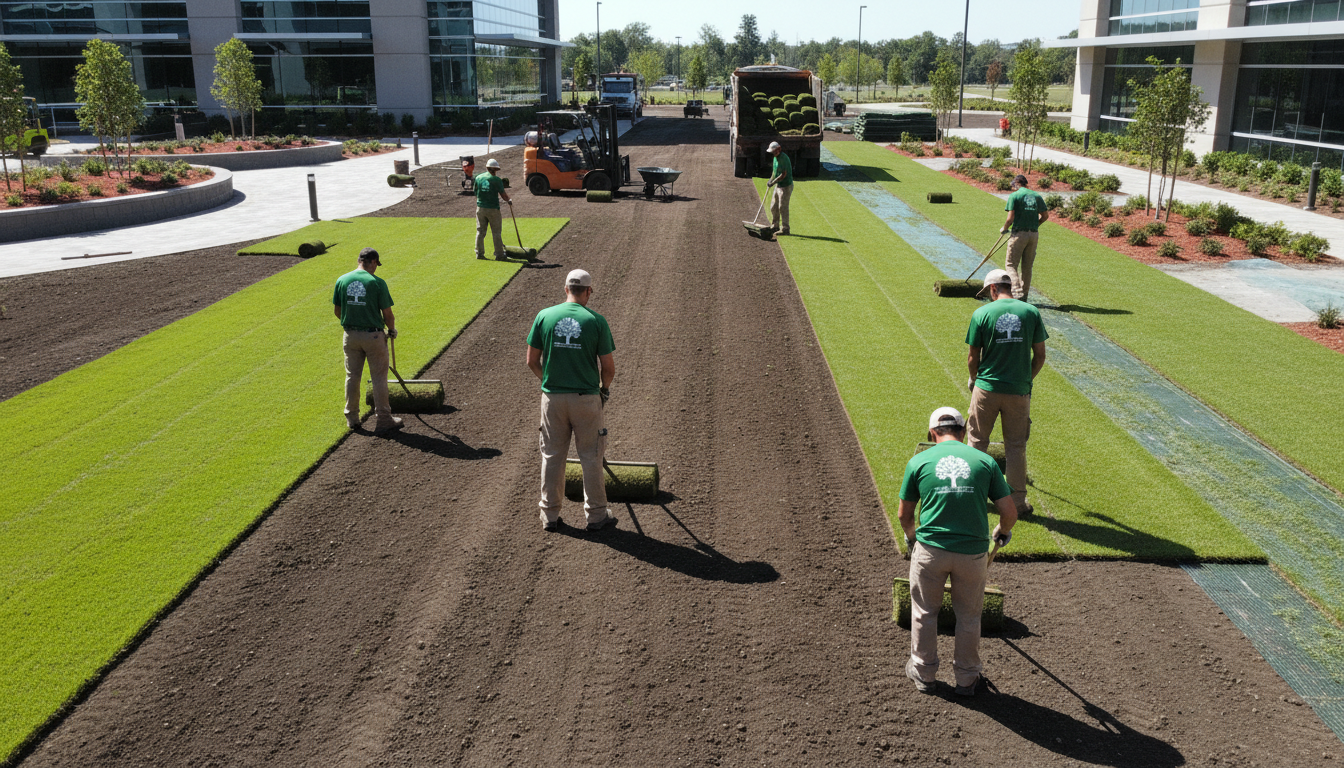
To manage grubs in lawn Tennessee, homeowners should look for thinning turf that peels back like carpet and apply preventative treatments between mid-April and mid-June. If active damage is found in the fall or early spring, curative insecticides containing carbaryl or trichlorfon should be used to stop root destruction; however, treatments are most effective before grubs reach full maturity in late spring.
If your lush Gallatin fescue has started to develop unsightly brown patches that lift away from the soil like a loose rug, you are likely facing a subterranean invasion. These silent root killers, primarily the larvae of Japanese beetles and masked chafers, can decimate a Sumner County lawn before the first signs of stress even appear. At Clayton’s Lawn and Landscape, we understand that a healthy yard is a significant investment; however, local pests often have other plans. This guide provides the expert insight you need to identify active infestations, distinguish grub damage from common Tennessee fungi, and execute a precise treatment plan. We will walk you through the proper scouting techniques, the ideal seasonal windows for application, and the essential steps to restore your turf to its former glory.
The Silent Root Killers of Sumner County Lawns
Homeowners in Gallatin and Hendersonville take pride in lush, green fescue lawns, but a hidden threat often lurks beneath the surface in our dense Middle Tennessee clay soils. White grubs, the larval stage of beetles such as Japanese beetles and June bugs, thrive in this environment. These C-shaped pests live underground, away from view, while they methodically devour the root systems of your turf.
This underground feeding habit makes grubs particularly dangerous. By the time you notice yellowing or thinning patches, the damage is often already extensive. While tall fescue is a hardy choice for Sumner County, it relies on a robust root system to pull moisture during a hot Tennessee summer. When grubs sever these roots, the grass loses its ability to stay hydrated. Even the most consistent routine maintenance cannot save a lawn once its foundation is destroyed.
Identifying grubs in lawn Tennessee early is essential to prevent a total loss of your outdoor space. Because they are silent killers, many residents mistake the initial signs for simple drought stress. Understanding that these larvae are actively destroying the plant from the bottom up is the first step in protecting your property. If you suspect an infestation, you should contact Clayton's Lawn & Landscape to discuss a diagnostic plan for your yard.
5 Signs of Grub Damage in Your Tennessee Yard
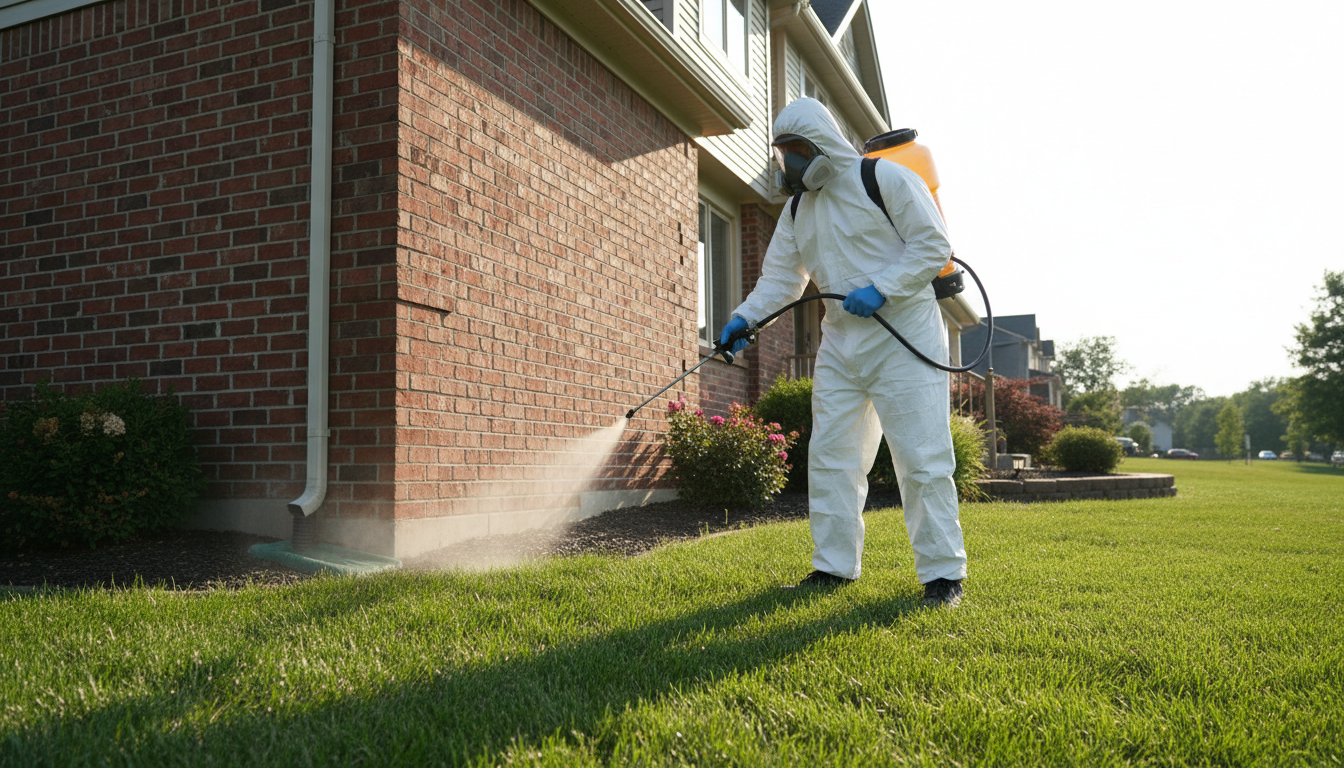
Identifying the presence of grubs requires looking for specific physical changes in your turf that distinguish pest damage from typical Tennessee weather stress. Because these larvae feed directly on the root system, the symptoms often manifest as a loss of stability and health in the grass plants themselves.
Spongy or Bouncy Turf: When you walk across your lawn, it should feel firm. If the ground feels unusually soft, similar to walking on a plush rug with no padding underneath, it is a strong indication that the root structure has been compromised. The soil and the grass blades are no longer tightly bonded, creating a pocket of air and loose organic matter.
The Carpet Test: This is the most definitive field test for homeowners. Because the grubs have severed the roots, the grass loses its anchor to the soil. If you grab a handful of brown turf and pull upward, infested grass will lift away easily, rolling up just like a piece of loose sod or a carpet. If the grass resists and stays rooted, the issue may be related to fungus or heat.
Localized Dead Patches: Unlike general drought stress, which tends to yellow the entire lawn during a dry Gallatin summer, grub damage appears as irregular, localized brown patches. These spots often remain brown and brittle even if you are providing consistent irrigation, as the plant has no way to transport that water to the blades.
Animal Digging: If your yard looks like it has been rototilled overnight, you likely have a food source beneath the surface. Skunks, raccoons, and moles are attracted to the high protein content of white grubs. In Sumner County, seeing these animals actively digging is a major red flag for a subsurface infestation.
July Beetle Swarms: High beetle activity in mid-summer is a reliable predictor for fall problems. Seeing swarms of Japanese beetles on your ornamentals in July often precedes a spike of grubs in lawn Tennessee by late August, as each female beetle can lay up to 60 eggs in your soil.
Catching these signs early is a core part of professional lawn care services. Monitoring your lawn's texture and animal activity can save you from a full lawn renovation later in the year.
How to Tell the Difference: Grubs vs Brown Patch Fungus
In the humid heat of a Gallatin summer, fescue lawns often develop unsightly brown circles. For many homeowners, the immediate assumption is Brown Patch, a common fungal disease in Middle Tennessee. However, mistaking grubs for fungus can lead to expensive mistakes in treatment. Understanding the physical differences between these two issues is vital for maintaining a healthy yard.
Brown Patch fungus primarily attacks the leaf blade. If you look closely at the affected grass, you will see tan or straw colored lesions with a distinct dark brown border. The grass may look dead from a distance, but the plant remains anchored to the earth. In contrast, grubs in lawn Tennessee destroy the plant's ability to survive by eating the roots. There are no lesions on the blades; the grass simply wilts and browns because it has no way to draw moisture from our local clay soil.
The most reliable way to distinguish the two is the tug test. Pick a spot on the edge of a brown patch and pull firmly on the grass blades. If the grass resists or the blades break off while the base stays firmly planted in the ground, you are likely dealing with Brown Patch or simple drought stress. If the entire clump of grass lifts out of the dirt with no roots attached, you have a confirmed grub infestation.
Symptom | Brown Patch Fungus | White Grub Damage |
|---|---|---|
Primary Target | Leaf blades and stems | Root systems |
Blade Appearance | Tan lesions with dark borders | Uniformly brown and wilted |
Tug Test Result | Roots stay firm in the soil | Grass lifts easily like loose sod |
Soil Texture | Firm and stable | Spongy or loose |
Accurate diagnosis is the foundation of professional lawn care services. Treating a fungal issue with insecticide, or vice versa, will not only fail to fix the problem but can also further stress your turf during the peak of the growing season.
The Grub Scouting Test: When to Take Action

If the tug test leaves you suspicious, the next step is a quantitative assessment known as the Square Foot Test. This process confirms the presence of grubs in lawn Tennessee and determines if the population density is high enough to warrant chemical intervention. For the most accurate results, perform this scouting in late August or September, when the larvae have recently hatched and are feeding aggressively just below the surface of our local clay soil.
Select a transition area on the edge of a suspected brown patch where the grass still appears somewhat healthy.
Using a spade or flat-headed shovel, cut a square 12 inches long by 12 inches wide.
Slice approximately 3 inches deep to ensure you reach the root zone.
Carefully peel back the turf like a piece of carpet to expose the soil and root mass.
Sift through the top two inches of dirt and count the number of C-shaped white larvae you see.
Grub Count (Per Sq. Ft.) | Risk Level | Recommended Action |
|---|---|---|
0 to 5 | Normal | No treatment needed; maintain health. |
6 to 9 | Moderate | Monitor closely for increased damage. |
10 or more | Severe | Immediate curative treatment required. |
A healthy, well-maintained lawn can typically support a small population of larvae without visible decline. However, finding 10 or more per square foot indicates an infestation that will quickly outpace the grass's ability to recover. If your count hits this threshold, it is time to move beyond routine maintenance and consider targeted pest control to save your yard.
When to Apply Grub Control in Tennessee
Timing is the most critical factor in managing grubs in lawn Tennessee. Many homeowners react the moment they see a single larva in early March, but applying chemicals in the early spring is often a waste of money. At that stage, the grubs are large, mature, and about to stop feeding before they pupate into beetles. These older larvae are physically tougher and much harder to kill with standard applications. To be effective, you must follow a two-pronged strategy based on the life cycle of the Japanese beetle and June bug.
Preventative Treatments: This is the most efficient method for maintaining a healthy yard. In Middle Tennessee, preventative products, such as those containing Chlorantraniliprole, should be applied between mid-April and June. This treatment stays active in the soil, waiting to kill the new generation of young larvae immediately after they hatch in mid-summer. Including this as part of your routine maintenance ensures that the population never reaches a damaging threshold.
Curative Treatments: If you missed the preventative window and discover an infestation during the scouting process in late August, you need a rescue mission. Curative treatments using active ingredients like Dylox (Trichlorfon) or Carbaryl are designed to kill grubs on contact. These should be applied from late August through October when the larvae are feeding voraciously near the surface.
Treatment Type | Best Timing (Middle TN) | Primary Active Ingredients | Purpose |
|---|---|---|---|
Preventative | Mid-April to June | Chlorantraniliprole | Kill eggs and young larvae upon hatching |
Curative | Late August to October | Dylox (Trichlorfon), Carbaryl | Rapid knockdown of active, feeding grubs |
Early Spring | March to Early April | Not recommended | Ineffective against large, mature grubs |
If you are unsure which product your lawn requires, you should contact Clayton's Lawn & Landscape for a professional assessment. Our team can integrate these specialized applications into our professional lawn care services to ensure your fescue remains protected throughout the high-risk season.
Natural Solutions and Cultural Grub Prevention
For Gallatin homeowners who prefer to avoid traditional chemistry, natural biological controls offer an alternative path to managing grubs in lawn Tennessee. Milky spore is a common recommendation for targeting Japanese beetle larvae. While it is environmentally friendly, this bacterium requires several years to reach effective concentrations in our local clay soil; this makes it a poor choice for an active, heavy infestation. Beneficial nematodes are another option. These microscopic organisms hunt grubs underground but require precise soil moisture levels to survive. In the often dry Sumner County late summer, keeping the ground wet enough for nematodes to be effective can be a significant irrigation challenge.
Clayton’s Lawn & Landscape advocates for cultural prevention as the most reliable long term defense. The healthier the turf, the more stress it can tolerate. We recommend maintaining a mowing height of 3.5 to 4 inches for tall fescue. Taller grass blades encourage deeper, more resilient root systems that can withstand minor feeding without the plant dying. Combined with a routine maintenance schedule that includes balanced fertilization, these practices help your lawn outgrow pest pressure. If you are interested in a holistic approach to yard health, you can contact Clayton's Lawn & Landscape to develop a site specific strategy. Proper professional lawn care services ensure that your grass remains thick enough to discourage beetles from laying eggs in the first place.
Will My Lawn Recover? How to Repair Grub Damage
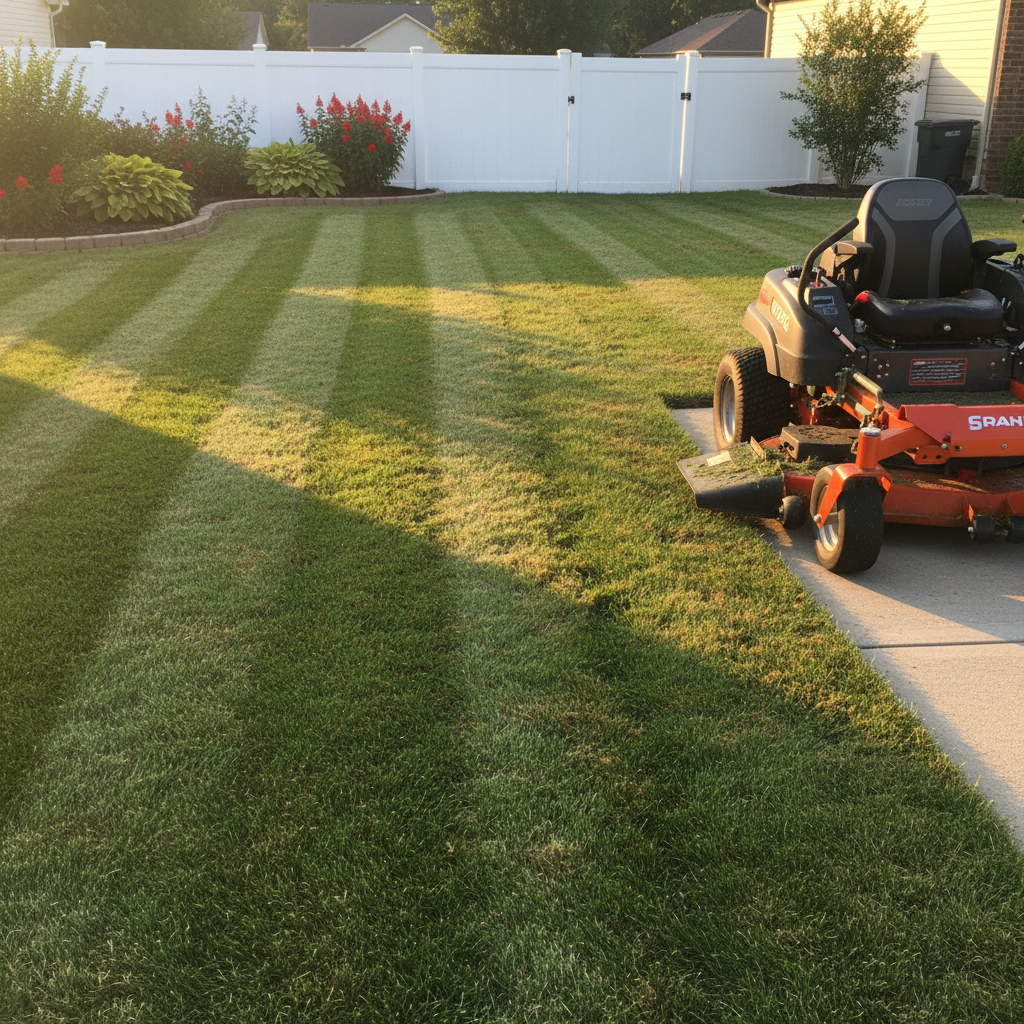
Once grubs in lawn Tennessee have severed the root system, the affected grass is biologically dead. No amount of water or fertilizer will cause these patches to turn green again, as the plant lacks the vascular structure to transport nutrients. For homeowners in Gallatin, the only effective solution is a complete fall renovation.
This process typically occurs in September or October and centers on professional aeration and overseeding. Core aeration is especially beneficial following an infestation; the physical holes in the soil allow oxygen and water to reach the root zone while helping any curative treatments penetrate the dense clay. New fescue seed then fills the bare voids left by the larvae, preventing opportunistic weeds from moving into the empty space. Incorporating these recovery steps into your routine maintenance is the most efficient way to restore a uniform appearance. If you need assistance determining the extent of the damage, you can contact Clayton's Lawn & Landscape to schedule professional lawn care services for your property.