The best time when to dethatch lawn Tennessee is during the early fall months of September or October when cool-season grasses like fescue are actively growing. This timing ensures the lawn can recover quickly and prepares the soil for subsequent aeration and overseeding. You should only perform this task if the thatch layer exceeds half an inch, as excessive dethatching can stress healthy fescue.
Many homeowners in Gallatin watch their Fescue lawns struggle despite regular maintenance. You might notice a spongy feel underfoot or grass that refuses to green up; these are often signs of excessive thatch buildup. While thick thatch prevents water and nutrients from reaching the root zone, aggressive dethatching can sometimes do more harm than good in our heavy Tennessee clay. Understanding the timing and local conditions is essential for maintaining a healthy lawn. In this guide, we will examine how to diagnose thatch issues specifically for Sumner County landscapes. You will learn the optimal fall window for intervention, the critical differences between dethatching and aeration, and why our local soil dictates a unique approach to professional turf health.
Understanding Thatch in Tennessee Fescue Lawns
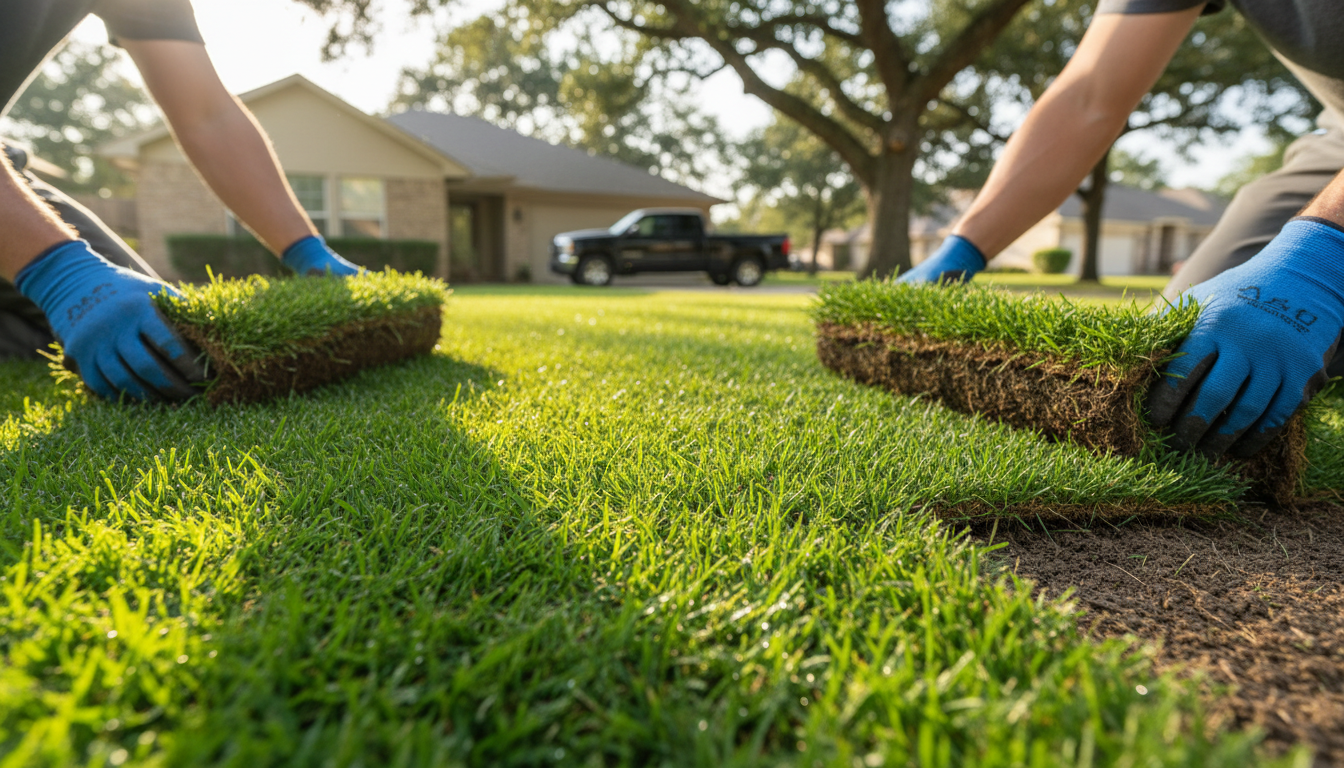
Thatch is a spongy layer of living and dead organic matter, including stems, roots, and decaying grass shoots, that accumulates between the green grass blades and the soil surface. Many homeowners in Gallatin assume that Tall Fescue requires aggressive dethatching every year like Bermuda or Zoysia. However, Fescue is a bunch-type grass. Unlike the creeping runners found in warm-season grasses, Tall Fescue naturally produces less organic buildup over time.
While it is a lower producer, a problematic layer can still develop. This often happens if the lawn is over-fertilized with high nitrogen products or if it is watered too frequently, which prevents the natural microbes in the soil from breaking down organic debris efficiently. A thin layer of thatch, specifically less than half an inch, is actually beneficial. It acts as a natural mulch that insulates the root zone against the extreme temperature swings common in Middle Tennessee and helps the soil retain moisture during dry spells.
When that layer exceeds half an inch, it becomes a physical barrier. It prevents water, air, and fertilizers from reaching the root system. Understanding when to dethatch lawn Tennessee properties involves identifying if your lawn has crossed this threshold. While our team provides dependable lawn care services throughout Sumner County, we always check the thickness of this organic mat before recommending mechanical removal.
Does Your Fescue Lawn Actually Need Dethatching?
Determining if you should dethatch a fescue lawn requires a careful look at the soil profile rather than just the surface appearance. While warm-season grasses like Bermuda often require annual thinning, Tall Fescue in Middle Tennessee is more likely to suffer from soil compaction than excessive organic buildup. If your lawn feels spongy or if water seems to run off rather than soaking in, you should perform a simple Thatch Test before renting equipment or booking a service.
To check your lawn's health, use a garden spade to cut a small, six inch deep wedge of turf from a representative area of your yard. Pull the wedge out and examine the profile. You are looking for the brown, fibrous layer situated between the green grass blades and the dark soil. Use the table below to gauge your next steps:
Thatch Thickness | Action Recommended |
|---|---|
Less than 1/2 inch | No action needed; this layer protects roots from heat. |
1/2 inch to 3/4 inch | Monitor closely; consider light dethatching during the next window. |
Over 3/4 inch | Dethatch immediately to restore water and nutrient flow. |
For many Sumner County homeowners, following a consistent mowing schedule and using sharp blades reduces the need for this process significantly. If you maintain these dependable lawn care services regularly, you may only need to address thatch every three to five years. In our local experience, what looks like a thatch problem in Gallatin is often actually our heavy clay soil becoming too tight, which restricts root growth even when the surface looks clear. Knowing exactly when to dethatch lawn Tennessee properties saves you time and prevents unnecessary stress on your grass.
When to Dethatch Lawn Tennessee: The Fall Window
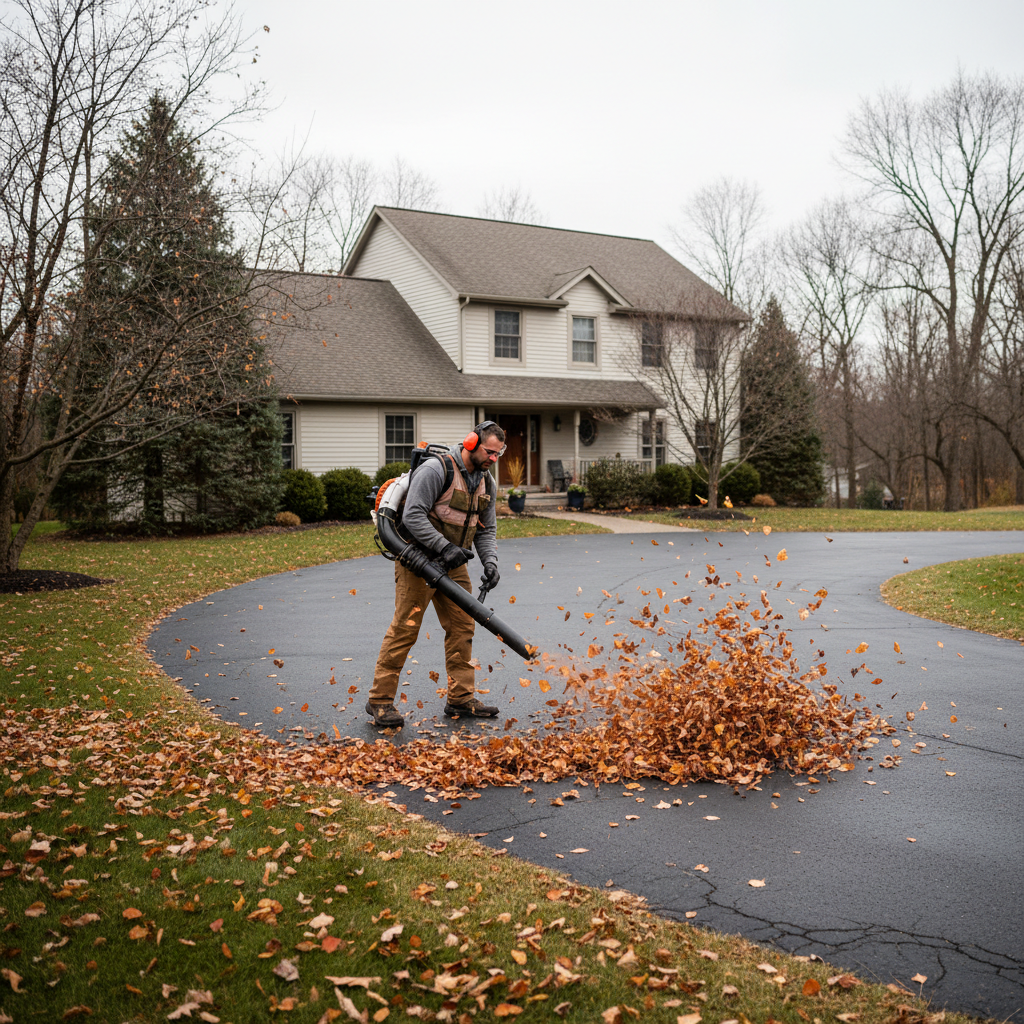
Identifying a thick thatch layer is only the first step; timing the removal is critical for the survival of a cool-season lawn. In Gallatin and Hendersonville, the ideal window for when to dethatch lawn Tennessee properties is during the early fall, specifically from September through early October. This period aligns with the natural growth cycle of Tall Fescue, which thrives when daytime temperatures begin to dip and overnight lows provide relief from the summer humidity.
This specific timing creates what we call the recovery window. Dethatching is a high-stress mechanical process that physically tears at the turf to pull up organic debris. Because Fescue is at its strongest during the cooler fall months, it can quickly repair its root system and fill in bare spots before the first hard frost. Utilizing Fall Lawn Care Tennessee strategies during this time ensures the lawn has adequate moisture from seasonal rains to bounce back effectively.
Local homeowners often ask about spring dethatching, but this is generally discouraged in our transition zone climate. While the grass might look green in April, dethatching in the spring opens up the soil canopy right as crabgrass and other aggressive summer weeds are germinating. Furthermore, a lawn thinned out in the spring will struggle to survive the intense July heat without a mature, undisturbed root system. By waiting until fall, you prepare the ground for Aeration and Overseeding in Gallatin TN, allowing new seed to reach the soil without competing with summer weeds.
If you miss this early fall window, it is often better to wait until the following year. Dethatching too late into November leaves the grass crowns exposed to freezing temperatures without enough time to recover, which can lead to significant winter kill. Our dependable lawn care services prioritize these specific seasonal windows to ensure your yard remains resilient and thick throughout the year.
The Gallatin Clay Factor: Why Aeration Often Beats Dethatching
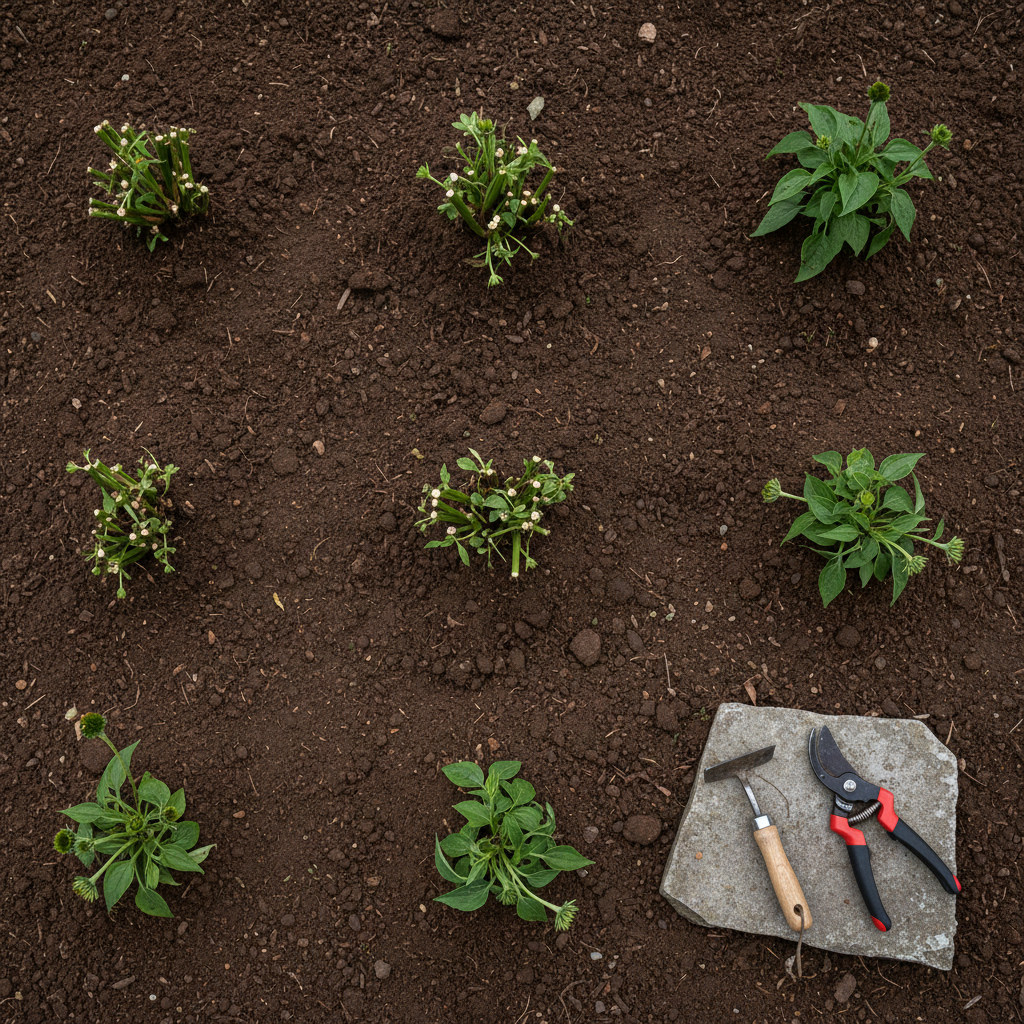
Residents in Gallatin and Sumner County know the struggle of working with heavy clay soil. This dense material is prone to severe compaction, especially after the weight of foot traffic and the baking heat of a Tennessee summer. Unlike sandy soils that drain freely, our local clay particles pack tightly together, effectively sealing off the root system from the oxygen and nutrients it needs to thrive.
Understanding the difference between these two treatments is vital for proper maintenance. Dethatching cleans the surface by removing the organic mat, but core aeration treats the depth. While dethatching focuses on the top layer of debris, it does nothing to alleviate the physical hardness of the ground beneath. For the majority of local properties, core aeration is the higher priority. By pulling two to three inch plugs of soil from the ground, aeration creates physical pathways that allow the clay to expand and breathe, which is essential for deep root growth in Tall Fescue.
Feature | Dethatching (Surface Care) | Aeration (Depth Care) |
|---|---|---|
Primary Goal | Removes organic debris mat | Relieves soil compaction |
Soil Impact | Minimal; works above the soil | High; breaks up heavy clay |
Local Priority | Secondary for most fescue | Essential for Gallatin clay |
If your lawn feels like concrete by August, you are likely dealing with compaction rather than just a thatch buildup. When you are determining when to dethatch lawn Tennessee yards, always look at the soil structure first. If you are trying to decide how to allocate your budget for dependable lawn care services, we almost always suggest prioritizing aeration. A lawn can survive a bit of extra thatch, but it cannot survive roots that are suffocated by compacted clay. If a spade test reveals both a thick thatch layer and rock-hard soil, performing both services is ideal; however, improving the soil structure is the necessary foundation for a healthy lawn.
Dethatching vs Aerating: Which Should You Do First?
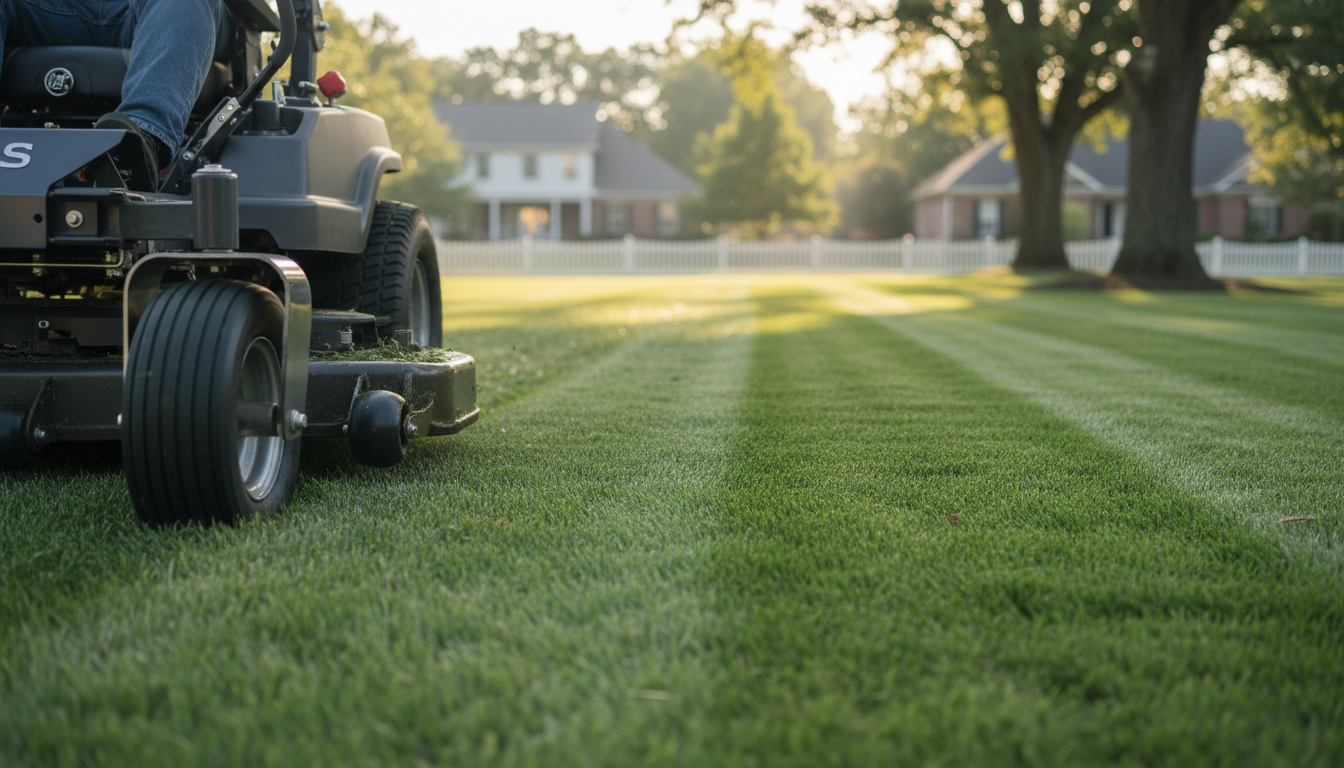
If your lawn analysis reveals both excessive organic buildup and heavy soil compaction, following a specific order of operations is essential for success. You should always dethatch your lawn before you begin the aeration process. This sequence ensures that the equipment performs as intended rather than struggling against a thick mat of debris.
Performing the tasks in this order allows the aerator tines to penetrate the soil cleanly. When a layer of thatch is left in place, the tines often get hung up on the dead grass, preventing them from reaching the necessary two to three inch depth in our tough Sumner County clay. Furthermore, clearing the surface first is vital for achieving proper seed-to-soil contact. In local lawn care circles, this is known as the gold standard for Aeration and Overseeding in Gallatin TN. Without removing the thatch barrier, new seeds frequently get trapped in the organic mat and die before they can ever reach the dirt.
Once the thatch is hauled away and the cores are pulled, you can use a mower or a rake to break up the soil plugs. This process helps top-dress the lawn with fresh soil and fills in thin areas. Integrating these steps into your dependable lawn care services ensures that your yard is perfectly prepared for new growth. Knowing the right sequence is just as important as knowing when to dethatch lawn Tennessee yards to ensure your fescue has the best chance to thrive.
Common Dethatching Mistakes to Avoid in Sumner County
Even with the correct order of operations, several common pitfalls can derail your progress. The most frequent error is timing the job during periods of high heat or dormancy. In Sumner County, attempting this in July or August causes irreparable damage; fescue is already struggling with humidity and heat stress, and mechanical thinning during this time often leads to total lawn failure.
Another critical mistake is setting the equipment depth too low. Fescue grows from the crown, which sits right at the soil surface. If a power rake or vertical mower is set too aggressively, it will rip these crowns out rather than just the dead debris, resulting in a thin, patchy lawn that requires total renovation. Proper calibration is essential, as fescue does not recover from crown damage as easily as spreading grasses like Bermuda.
Finally, many homeowners underestimate the volume of material pulled up. A thick lawn can produce dozens of bags of debris. Leaving this thatch on the surface creates a secondary barrier that smothers the remaining grass blades. Our team at Clayton's provides dependable lawn care services that include proper equipment selection and thorough debris removal. Knowing exactly when to dethatch lawn Tennessee yards ensures your fescue survives the process and thrives during the next cycle of Fall Lawn Care Tennessee, ideally followed by Aeration and Overseeding in Gallatin TN.
Maintaining a healthy fescue lawn in Gallatin requires understanding whether your soil needs dethatching or aeration to thrive. While these tasks are essential for a resilient yard, managing the timing and technique can be complex for busy homeowners. If you want expert help ensuring your grass stays vibrant through every Tennessee season, reaching out to a professional team can make all the difference. You can learn more about us and our commitment to local lawn care to see how we help you achieve a beautiful landscape.