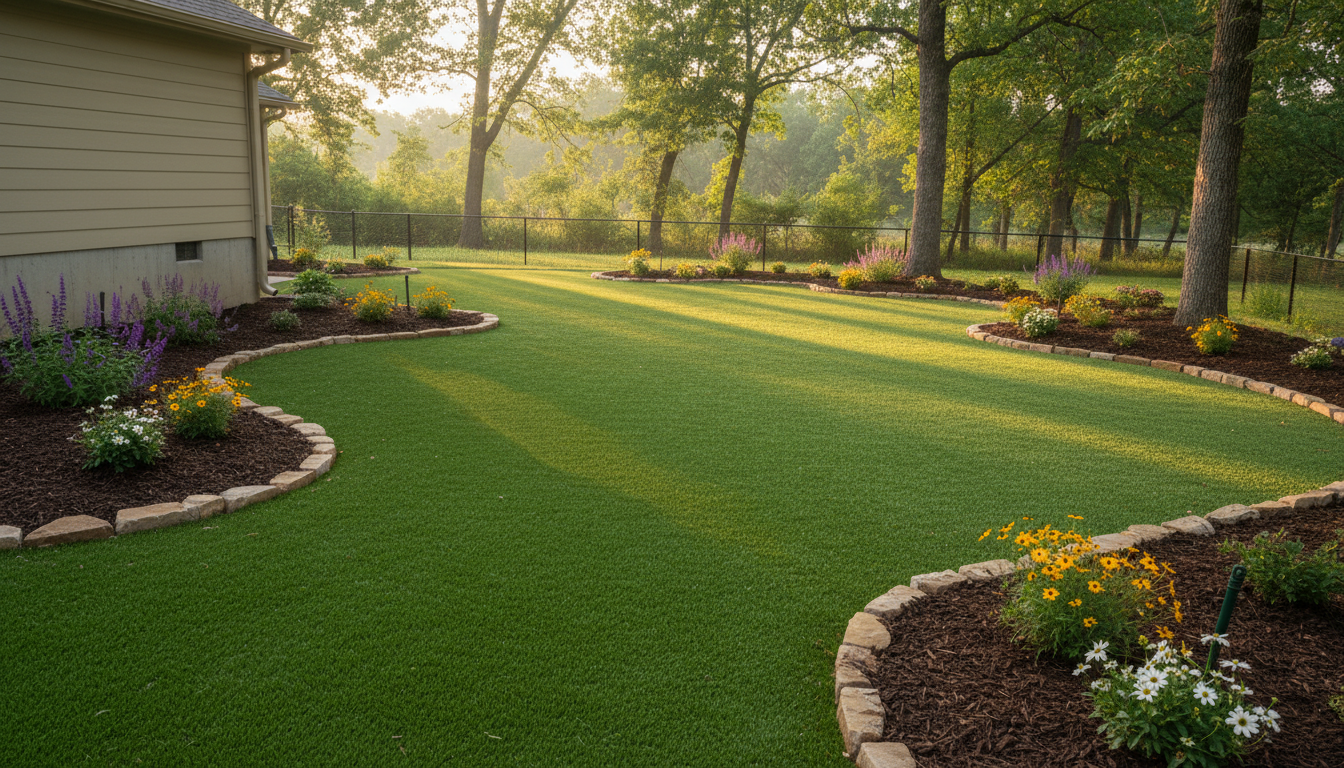
Resilient native plants Tennessee clay soil supports include the Red Maple, Oakleaf Hydrangea, and Black-eyed Susan, which thrive in the region's heavy and moisture-retentive conditions. These species are ideal for low-maintenance landscapes because they establish deep root systems that naturally adapt to challenging soil profiles; furthermore, they provide essential habitats for local pollinators.
Every homeowner in Gallatin understands the frustration of working with Sumner County clay. During the humid Tennessee summers, the ground transforms into a hard, cracked surface that resists every shovel; in the rainy season, it becomes a heavy, saturated mess that drowns many traditional garden varieties. Success in this challenging environment requires more than just stubborn persistence; it demands a strategic shift toward local ecology. By utilizing native species that have evolved over millennia to thrive in these specific conditions, you can stop fighting your soil and start working with it. This guide covers the best native trees, shrubs, and pollinator plants specifically suited for heavy Tennessee soil. You will also discover practical design tips to ensure your landscape remains low maintenance and beautiful throughout every season.
Understanding the Sumner County Clay Challenge
Sumner County homeowners, from the rolling hills of Gallatin to the lakeside properties in Hendersonville, share a common adversary: heavy Middle Tennessee red clay. This soil is a product of our region's geological history, specifically the weathering of limestone bedrock over thousands of years. While it can be frustrating to dig in, this clay is actually quite rich. It possesses high nutrient density and excellent mineral retention, but these benefits come with significant physical challenges. The soil particles are incredibly small and flat, causing them to pack together tightly. This results in heavy compaction and poor drainage, which can suffocate the roots of many popular but non-native landscape plants.
Many generic gardening guides suggest amending the soil by digging large holes and filling them with potting mix or compost. In our local environment, this often backfires by creating a bathtub effect where water collects in the amended hole and drowns the plant. Choosing native plants Tennessee clay soil is not just an environmentally conscious decision; it is a practical survival strategy for your landscape. These species have evolved deep, powerful root systems designed to penetrate compacted earth and withstand the expansion and contraction cycle of our wet springs and dry summers.
Maintaining these landscapes requires a professional touch to ensure the clay works for you rather than against you. Proper mulch installation helps regulate soil temperature and moisture, preventing the clay from baking into a brick-like consistency. When combined with routine maintenance, including professional mowing, trimming, and edging, a native-heavy landscape remains sharp and intentional, proving that you do not have to fight the soil to have a beautiful yard.
Top Native Trees for Clay Soil and Full Sun
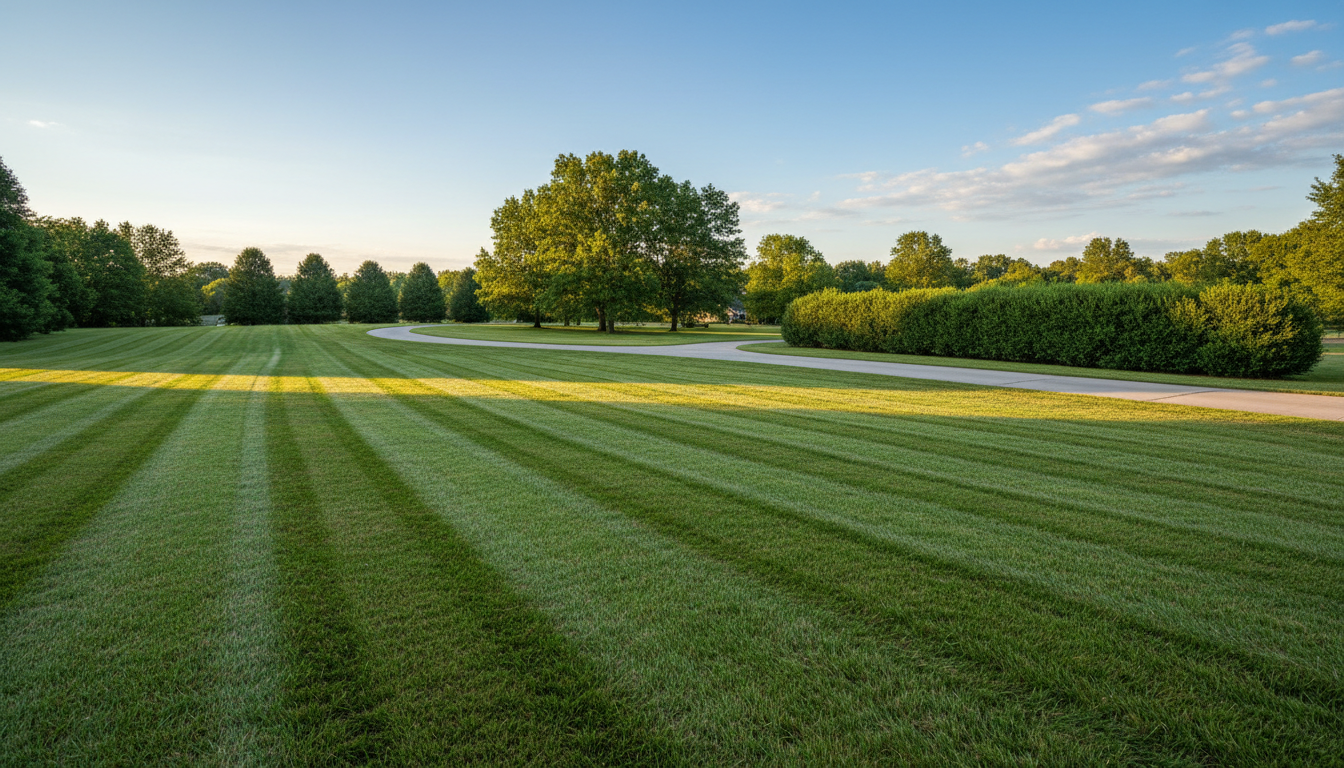
Selecting trees for a Gallatin landscape requires choosing species that can withstand the physical pressure of clay expansion and contraction. These hardy specimens possess aggressive root systems that navigate the low-oxygen environment found in tight, heavy earth.
The Red Maple (Acer rubrum) is a premier choice for Middle Tennessee properties. It is uniquely adapted to handle "wet feet" during our saturating spring rains, yet it remains remarkably resilient when the clay bakes hard in the July heat. For those seeking early spring interest, the Eastern Redbud (Cercis canadensis) is a reliable performer. Its bright purple blooms provide a burst of color when most other plants are still dormant, and its smaller stature makes it ideal for residential lots.
For a legacy tree, the Swamp White Oak (Quercus bicolor) is an excellent long-term investment. Despite its name, it thrives in upland clay sites and offers incredible structural strength. This oak is particularly useful when you need a sturdy tree near driveways or sidewalks where soil is most likely to be heavily compacted from construction or foot traffic. Utilizing native plants Tennessee clay soil naturally supports allows these trees to establish even in these high-stress zones.
To give these trees the best start, professional mulch installation is vital to keep the root zone cool and moisture levels consistent. As these trees mature, they become the focal points of the landscape. Regular routine maintenance ensures their canopy remains balanced and healthy, providing shade and value to your property for decades.
Low Maintenance Native Shrubs for Sumner County Landscapes
After selecting your canopy trees, the next step in a successful Sumner County landscape is filling the mid-level with hardy shrubs. A frequent question we receive from homeowners in Hendersonville and Gallatin is: what shrubs like clay soil and full sun? In our heavy soil, the standard boxwood or ligustrum often struggles with root rot or requires constant supplemental watering. Choosing native alternatives ensures your foundation plantings thrive with far less intervention.
The Oakleaf Hydrangea (Hydrangea quercifolia) is perhaps the most versatile shrub for Middle Tennessee. Unlike non-native mophead hydrangeas that often wilt the moment the sun hits them, the Oakleaf variety is remarkably clay-tolerant. It provides four seasons of interest: large white flower panicles in summer, deep bronze or purple foliage in autumn, and unique peeling bark that adds texture to a winter garden. Because it has evolved as part of the native plants Tennessee clay soil community, it handles our summer dry spells with ease once its roots are established.
For homeowners seeking structural variety, the Ninebark (Physocarpus opulifolius) and Carolina Rose (Rosa carolina) are excellent additions. Ninebark is a rugged survivor, featuring arching branches and white flower clusters that stand up to the most compacted soils. The Carolina Rose offers a delicate pink bloom and creates a dense thicket that provides excellent habitat for local songbirds.
Native Shrub | Best Use | Key Feature |
|---|---|---|
Oakleaf Hydrangea | Foundation or Accent | Multi-season interest and peeling bark |
Ninebark | Screening or Hedges | Extremely hardy in heavy clay |
Carolina Rose | Natural Borders | Fragrant pink blooms; drought tolerant |
While these species are far more resilient than non-native cultivars, they still benefit from professional care to look their best. A fresh layer of mulch installation each spring protects their root systems from the intense Gallatin heat. Additionally, routine maintenance such as targeted pruning ensures these shrubs remain manageable and do not crowd out your mowing, trimming, and edging lines, keeping the overall landscape looking sharp and professional.
Tennessee Native Pollinator Plants that Love Heavy Soil
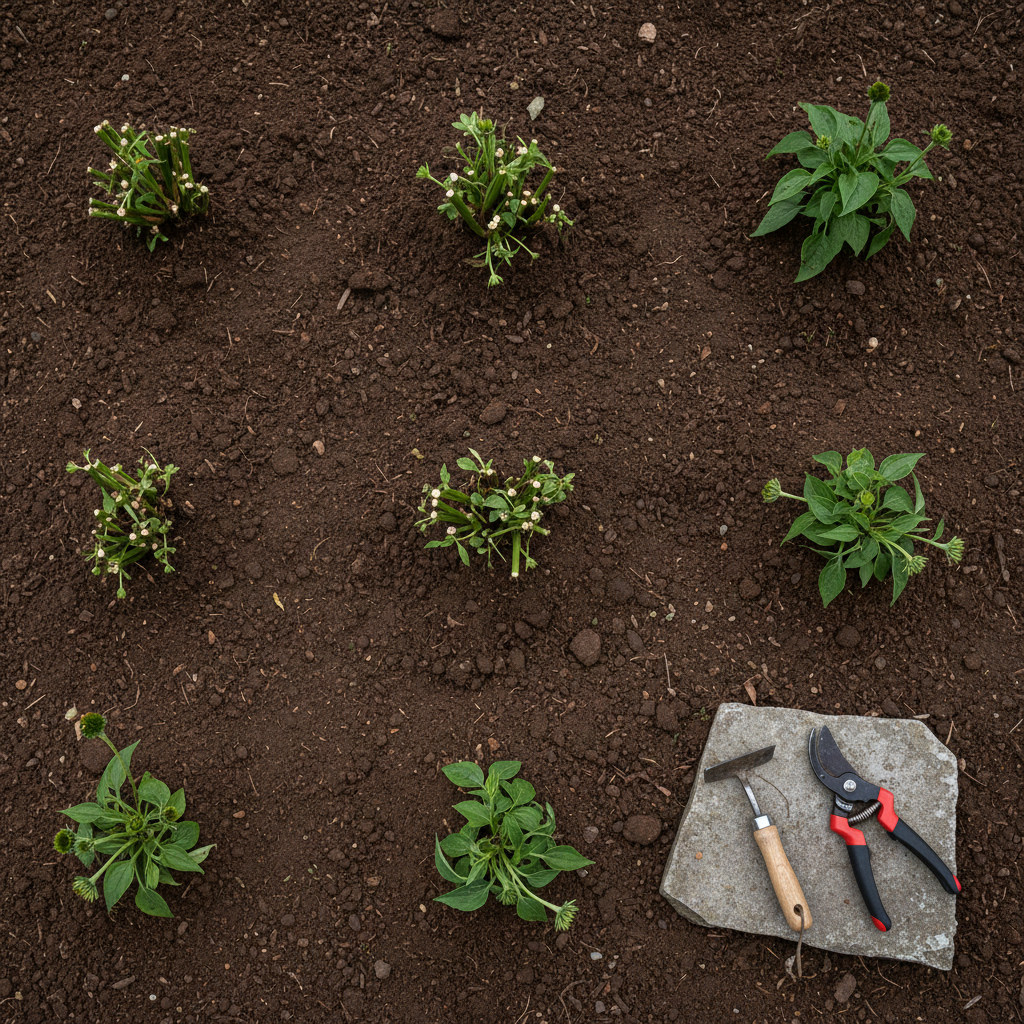
While woody shrubs provide the backbone of the landscape, flowering perennials add the seasonal color and ecological value that Gallatin homeowners often desire. The challenge in Sumner County is finding flowers that will not rot in the winter or desiccate in the summer. Choosing native plants Tennessee clay soil can support ensures your garden remains vibrant without constant replanting.
Purple Coneflower (Echinacea purpurea) and Black-eyed Susans (Rudbeckia) are the workhorses of the Middle Tennessee pollinator garden. These species are renowned for their ability to anchor themselves deep within compacted earth. Unlike shallow rooted annuals, these perennials send roots several feet down, which performs a vital service: biological aeration. As these roots penetrate the clay, they create tiny channels for air and water to reach deeper soil layers, gradually improving soil structure for the entire bed over time.
For larger spaces or the back of a border, Joe Pye Weed is an outstanding choice. It thrives in the moist clay conditions often found in Hendersonville and Goodlettsville landscapes during the spring. These plants act as magnets for local bees and butterflies, providing a reliable nectar source throughout the summer heat.
Grouping these perennials in large, intentional drifts within mulched beds is a strategic way to manage a property. By replacing difficult to mow slopes or corners with native plantings, you reduce the total amount of mowing, trimming, and edging required each week. A professional mulch installation around these groupings keeps the soil cool and suppresses weeds. While these plants are hardy, keeping these beds looking sharp requires routine maintenance to manage spent blooms and ensure the perennials do not overstep their boundaries.
Low Maintenance Design: Managing Your Native Garden in Gallatin
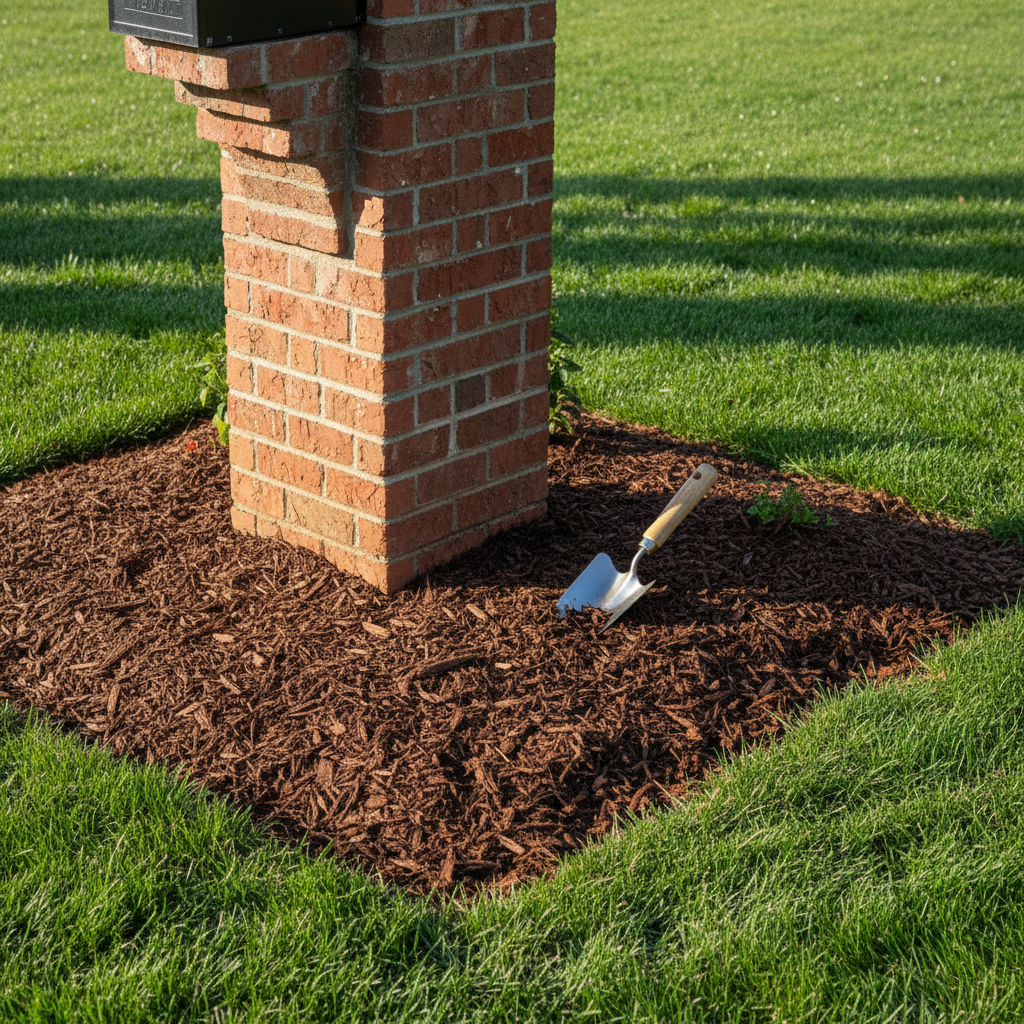
Designing with native species is a smart move for any Sumner County property owner, but the term low maintenance is often misunderstood as no maintenance. In the heavy soils of Gallatin and Hendersonville, even the hardiest plants require a structural framework to look intentional. Without a professional hand, a garden full of vigorous native perennials can quickly transition from an ecological haven to an overgrown eyesore that detracts from your curb appeal.
The foundation of a successful native landscape in Middle Tennessee is professional mulch installation. Because clay soil tends to bake and crack under the intense July sun, a thick, uniform layer of organic mulch is essential. It serves as a thermal blanket, keeping root systems cool and preventing moisture from evaporating out of the tightly packed earth. This step is particularly critical for the young native plants Tennessee clay soil hosts, as it bridges the gap between initial planting and the time when their deep roots finally penetrate the heavy subsoil.
To keep your property looking sharp, routine maintenance must go beyond simply cutting the grass. We focus on defining the lines between your turf and your native beds. Precise mowing, trimming, and edging create a clean frame around the softer, more organic shapes of native shrubs and wildflowers. This contrast signals that the landscape is carefully managed rather than neglected. By combining the natural resilience of local species with our professional care, you achieve a dependable outdoor space that stands up to the Sumner County climate while maintaining a crisp, polished aesthetic.
Common Questions About Tennessee Native Plants and Clay Soil
Professional landscape management in Sumner County often involves troubleshooting the unique quirks of our local environment. These frequently asked questions address the practicalities of making native species work for your specific property.
What are the best evergreen shrubs for clay soil with poor drainage? For areas in Gallatin or Hendersonville where water tends to sit after a heavy rain, the Inkberry Holly (Ilex glabra) is an exceptional choice. This native evergreen thrives in the precise conditions that often lead to root rot in exotic shrubs like boxwoods or yews. It maintains its deep green foliage throughout the winter and tolerates the low oxygen levels typical of wet, heavy clay. Choosing these adaptable specimens can save you the cost of extensive drainage corrections later.
Can native plants handle the intense heat of a Gallatin summer? While non native species might struggle, the native plants Tennessee clay soil naturally supports are biologically equipped to survive our local climate cycle. As the surface of the clay bakes and cracks in July, these plants utilize deep root systems to tap into cooler subsoil moisture. This natural durability makes them a perfect fit for our routine maintenance programs, as they remain healthy and vibrant with significantly less supplemental irrigation than traditional landscapes.
How should I water native plants during their first year? Success during the first growing season depends on deep, infrequent watering rather than light daily sprinkling. Provide a heavy soak twice a week to encourage roots to push through the dense clay layers. This moisture, paired with professional mulch installation, prevents the soil from crusting over and suffocating young plants. Keeping these beds framed with professional mowing, trimming, and edging ensures that your new native garden remains a clean, intentional feature of your property while it establishes.