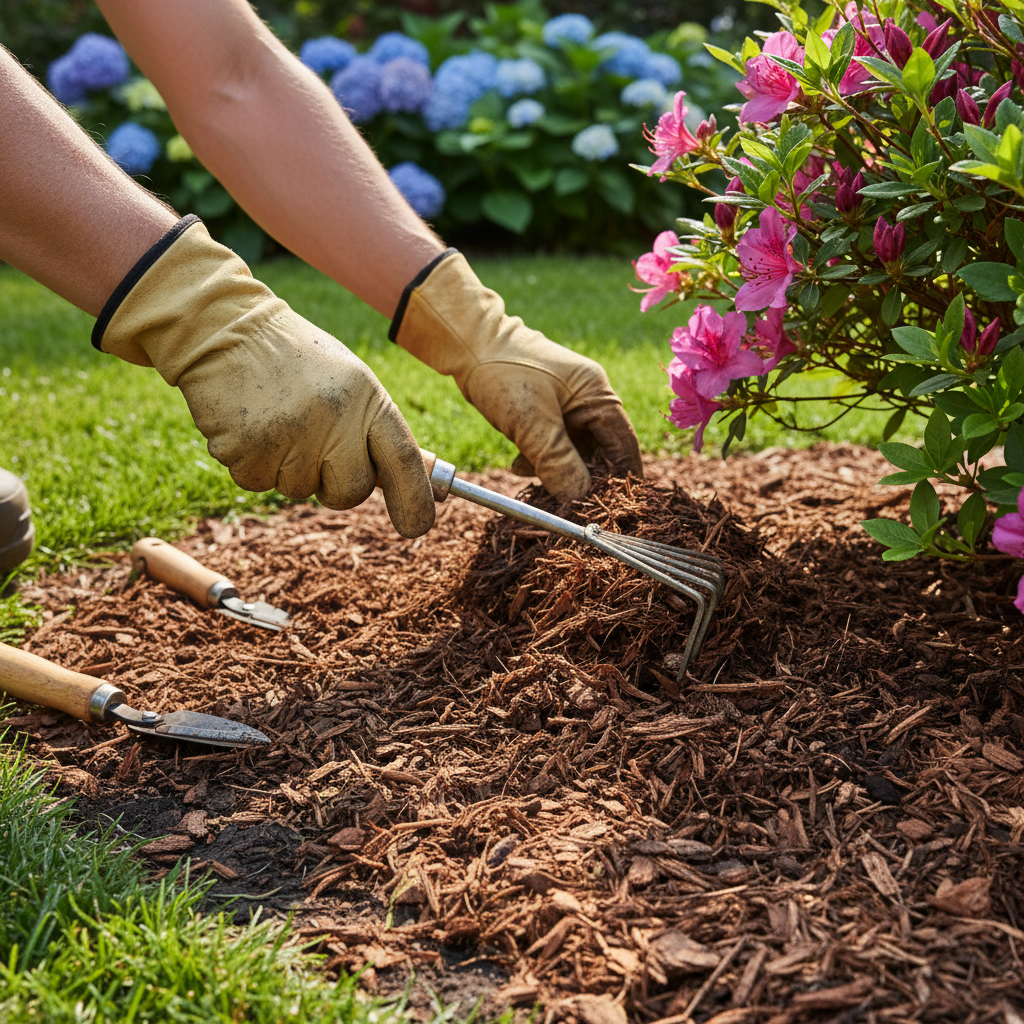
Effective weed control in mulch beds Tennessee requires removing existing growth, applying a pre-emergent herbicide, and maintaining a two to three inch layer of shredded hardwood mulch. Regular maintenance like raking and seasonal refreshes in the spring and fall prevents seeds from germinating; choosing low maintenance plants further simplifies bed upkeep.
There is nothing more frustrating than spending a Saturday spreading fresh mulch only to see persistent weeds breaking the surface just a few weeks later. In Middle Tennessee, our heavy clay soils and high humidity create the perfect environment for invasive growth to thrive, often rendering standard DIY methods ineffective. For homeowners in Gallatin and Sumner County, maintaining clean flower beds is about more than aesthetics; it is about protecting your landscape investment and ensuring the health of your plants. This guide breaks down the professional techniques we use at Clayton's Lawn & Landscape to keep beds clear. You will learn why we avoid landscape fabric, how to properly time your applications, and the specifics of the 3-3-3 rule for mulch depth. We provide a practical roadmap to help you achieve a polished, weed free landscape that stands up to the Tennessee heat.
The Challenge of Weed Control in Middle Tennessee Mulch Beds
Maintaining a pristine landscape in Middle Tennessee presents a unique set of challenges. In Gallatin and throughout Sumner County, the combination of high humidity and dense, moisture retaining clay soil creates an environment where aggressive weeds thrive. While a professional mulch bed installation serves as an excellent primary barrier, it is rarely a set it and forget it solution. Achieving effective weed control in mulch beds Tennessee requires an understanding of how these intruders operate in our specific local climate.
Weeds in our area typically fall into two distinct categories. First, there are the annual weed seeds that travel through the air or are carried by birds, settling on top of your fresh mulch to germinate. Second, and often more frustrating, are the hardy perennial weeds that have established root systems deep within the heavy clay. These varieties, such as nutsedge or Bermuda grass, are powerful enough to push directly through organic layers from beneath. Because our growing season is long and the ground rarely stays frozen for extended periods, these weeds can gain a foothold quickly. Relying solely on the presence of mulch without proactive weed control services or regular seasonal cleanups often leads to a landscape that looks neglected by mid summer. Mulch suppresses growth by blocking sunlight, but it cannot entirely stop the biology of plants evolved to dominate our regional soil.
The Landscape Fabric Mistake: Why Professionals Avoid It on Tennessee Clay
Many homeowners in Gallatin and Hendersonville view landscape fabric as a permanent solution to gardening woes. While it is often marketed as a labor saving barrier, professional experience with the unique geology of Sumner County tells a different story. In Middle Tennessee, the primary issue is not always what grows from beneath the fabric, but what happens on top of it.
Over a single season, organic matter such as dust, grass clippings, and decomposing mulch settles into the crevices of the fabric. This creates a thin but nutrient rich layer of sediment. When weed seeds blow in from the surrounding yard, they germinate in this top layer rather than the clay soil below. As these weeds grow, their root systems become intricately intertwined with the mesh of the fabric. This makes them nearly impossible to hand pull without tearing up the entire barrier, resulting in a messy and frustrated landscape.
Furthermore, the heavy clay soil common throughout Gallatin presents a significant drainage challenge. Professional weed control services recognize that soil needs to breathe to remain healthy. Landscape fabric, especially as it becomes clogged with fine silt over time, acts as a suffocating lid over the ground. It traps excessive moisture in the dense clay, preventing evaporation and proper oxygen exchange. For many ornamental shrubs and perennials, this lack of drainage leads to root rot and stunted growth.
Choosing a professional mulch bed installation that focuses on proper bed preparation and high quality organic mulch is often more effective than relying on synthetic barriers. By avoiding fabric, you allow the soil microbiome to thrive and ensure that seasonal cleanups remain manageable. Effective weed control in mulch beds Tennessee relies on strategies that work with our heavy soil rather than fighting against its natural drainage properties.
Best Time to Mulch Flower Beds in Gallatin and Sumner County
While national gardening guides often suggest mulching as a generic once a year task, the specific climate of Sumner County requires a more strategic approach. To maximize weed control in mulch beds Tennessee, the most effective window for application is early spring, typically throughout March and April. Applying a fresh layer during this period creates a physical barrier just as soil temperatures rise, effectively suppressing the first aggressive wave of summer weed seeds before they have a chance to germinate.
However, the long growing season in Gallatin often means that a single spring application will not last through the entire year. By mid summer, the combination of high humidity and heavy thunderstorms common in our area causes organic mulch to break down or wash away. This is why many property owners benefit from a fall refresh in October or November. A secondary application during these months serves two purposes: it protects perennial root systems from the freezing temperatures of winter and provides a significant head start on spring seasonal cleanups.
Relying on a mid season touch up ensures that your landscape remains clean and sharp, rather than allowing the mulch to become thin and susceptible to infestations. When professional weed control services are paired with this biannual schedule, it prevents the heavy lifting of reclaiming a bed that has been overrun. Proper timing for your mulch bed installation is not just about aesthetics; it is about maintaining a consistent layer of defense that adapts to the unique environmental pressures of Middle Tennessee.
How to Prepare Your Beds: Pulling Weeds Before You Mulch
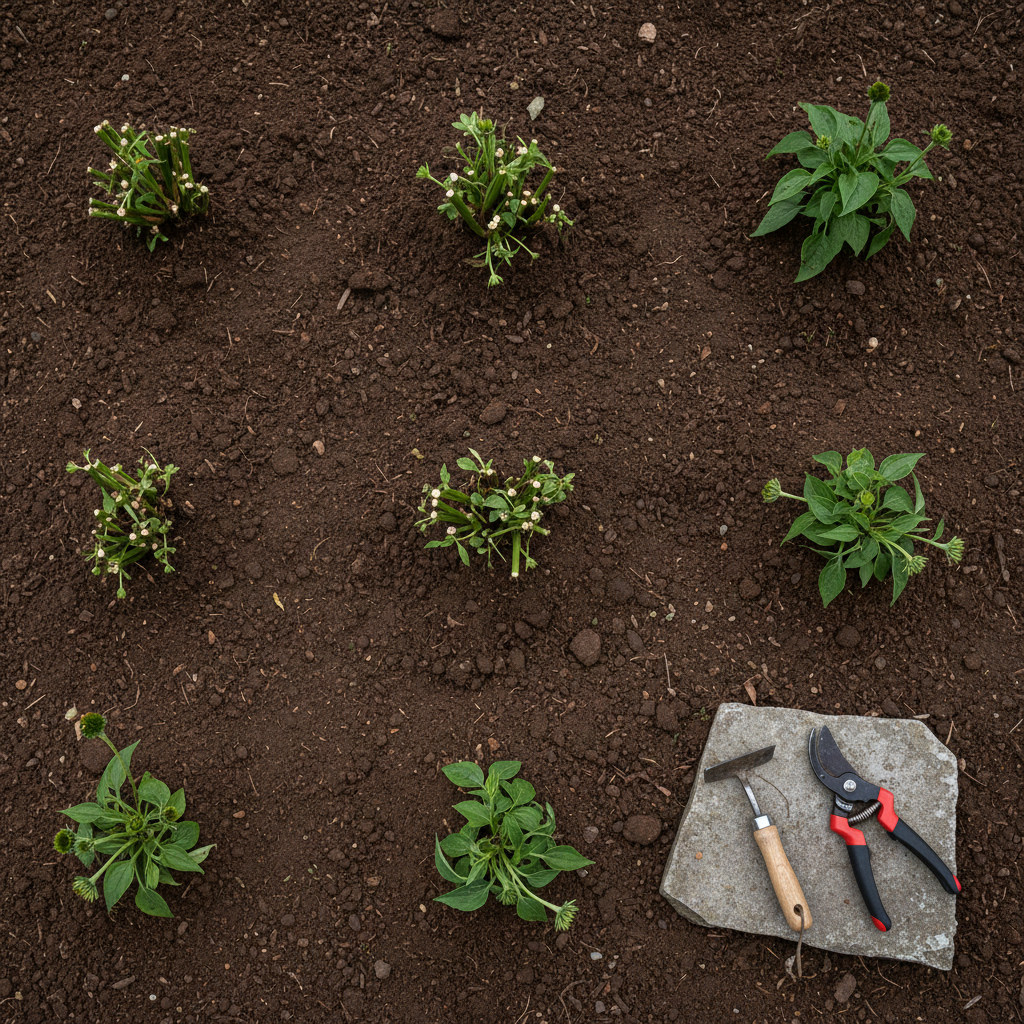
A common question we hear in Gallatin is whether you can simply smother existing weeds with a fresh layer of mulch. The answer is a definitive no. Mulching directly over established weeds creates a nutrient rich, moist environment that actually encourages them to grow stronger. While the mulch blocks some light, hardy Tennessee weeds have enough stored energy to push through the layer, eventually using the decomposing organic matter as fuel.
Effective weed control in mulch beds Tennessee begins with meticulous preparation. Our team starts by hand pulling established weeds, ensuring we extract the entire root system from the dense clay. Leaving even a small portion of a dandelion or thistle root in Sumner County soil often leads to immediate regrowth. Once the beds are clear, we apply a granular pre-emergent herbicide, such as prodiamine or pendimethalin. This creates a chemical barrier that stops new seeds from germinating before they can take hold.
Finally, we use mechanical edging to cut a deep, sharp vertical line around the perimeter. This is not just for looks; a clean edge serves as a physical trench that prevents aggressive Bermuda or Zoysia grass from creeping into your landscape. Proper preparation is the most critical step of a mulch bed installation and is a standard part of our seasonal cleanups or comprehensive weed control services.
Spot Treatment vs Blanket Spraying: A Smarter Approach to Herbicides
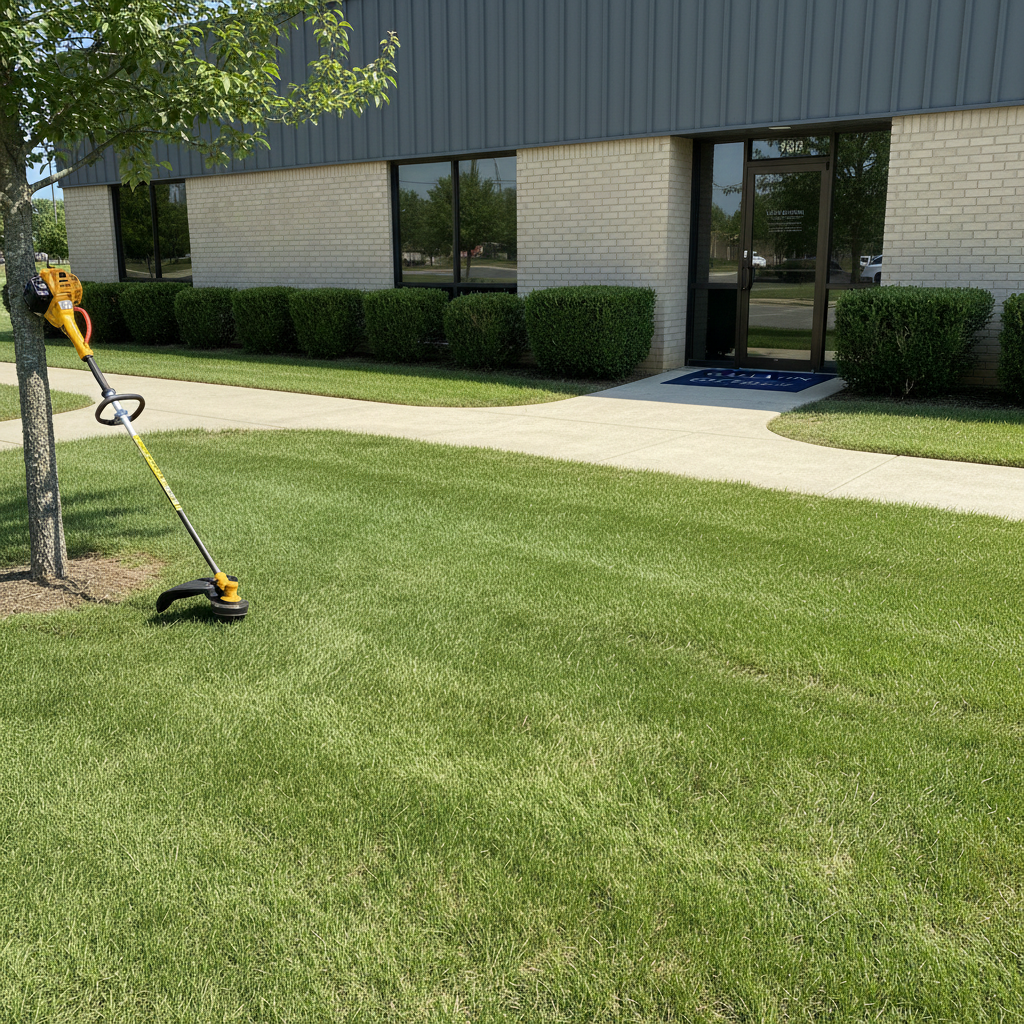
Once the bed is prepped and mulched, the maintenance strategy shifts to managing the occasional breakthrough. Blanket spraying a landscape bed with non-selective herbicides like glyphosate is a risky shortcut that often leads to unintended damage. In the tight confines of a Gallatin flower bed, chemical drift from a broad spray can easily reach the foliage or shallow root systems of your prized hydrangeas and boxwoods. Furthermore, excessive chemical application disrupts the beneficial soil microbiome, which is essential for nutrient cycling in our dense, regional clay.
Persistent local weeds like yellow nutsedge and wild onions require a surgical approach rather than a scorched earth policy. Because these varieties grow from deep tubers or bulbs, they often survive initial hand pulling and require targeted intervention. Professional weed control services utilize selective herbicides and specialized application methods, such as shielded spraying or hand wicking, to kill the weed while leaving the surrounding ornamentals untouched. This precision is vital for effective weed control in mulch beds Tennessee, especially in established landscapes where root systems are intertwined.
Property owners should also be cautious of DIY home remedies involving vinegar and salt. While often marketed as natural alternatives, salt is a permanent soil sterilant. It accumulates in the clay and can ruin the soil pH and osmotic balance for years, eventually killing the very plants you intended to protect during a mulch bed installation. Relying on professional grade, targeted products ensures that your seasonal cleanups stay effective without compromising the long term viability of your garden's soil.
Mulch Depth and Type: The 3-3-3 Rule for Tennessee Yards
For homeowners in Gallatin, the 3-3-3 rule provides a reliable framework for a healthy landscape. This guideline recommends applying mulch three inches deep, extending the bed three feet wide from the plant center, and keeping the material at least three inches away from the trunk or base. Maintaining a depth of exactly three inches is vital for effective weed control in mulch beds Tennessee. If the layer is too thin, sunlight reaches the soil and triggers germination. If it is too thick, the heavy Sumner County clay cannot exchange oxygen, which stresses the roots of your ornamentals.
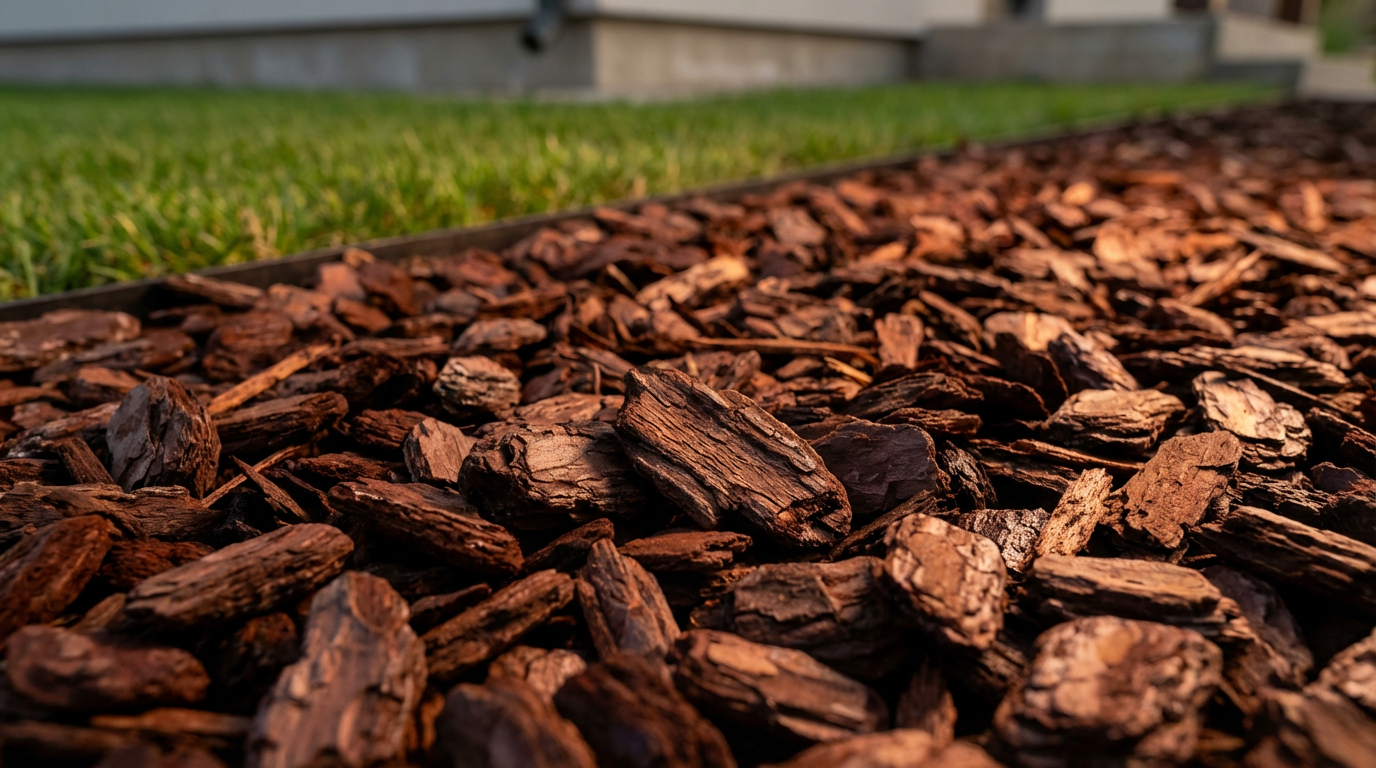
Choosing the right material is equally important during a mulch bed installation. While pine needles are popular for their acidic contribution to the soil, they often fail on the sloped terrain common in Middle Tennessee. During a heavy summer thunderstorm, pine straw easily washes away, leaving the soil exposed and vulnerable. We typically recommend double or triple shredded hardwood mulch for local properties. The fibers in shredded hardwood knit together to form a stable mat that stays in place on hillsides and resists erosion.
Regardless of the material chosen, avoid the common mistake of volcano mulching. Piling mulch directly against the bark of a tree traps moisture against the trunk, leading to fungal rot and inviting wood boring pests. Keeping the area immediately surrounding the flare of the tree clear ensures that your seasonal cleanups and weed control services support long term plant health rather than causing hidden damage.
Frequently Asked Questions About Mulch Maintenance
Homeowners in Gallatin often have specific concerns regarding the long term upkeep of their landscapes. Addressing these common questions helps maintain the effectiveness of your weed control in mulch beds Tennessee throughout the changing seasons.
How often should I apply fresh mulch? In our humid climate, organic mulch decomposes faster than in drier regions. A primary mulch bed installation in early spring is essential, but a secondary touch-up during fall seasonal cleanups is recommended for beds with heavy sun exposure. This maintains the necessary three inch depth to block weed germination.
Does mulch attract termites to my Gallatin home? Mulch provides moisture that subterranean termites enjoy, but it does not inherently draw them to a property. Problems only arise when mulch is piled directly against the foundation or wooden siding. Maintaining a six inch gap between the mulch edge and your home's structure significantly reduces this risk.
How can I prevent mulch from washing away during a Sumner County downpour? Our local thunderstorms can be intense, but proper preparation keeps materials in place. Deep mechanical edging creates a trench that captures water and prevents runoff. Furthermore, choosing triple-shredded hardwood ensures the fibers interlock, providing much better stability on slopes than pine nuggets or straw. Combining these techniques with professional weed control services ensures your beds remain sharp and functional regardless of the weather.
Maintaining clean flower beds in Gallatin requires a combination of quality mulch, pre-emergent treatments, and consistent manual upkeep. While these steps are effective, they demand significant time and effort throughout the Tennessee growing season. If you would rather spend your weekends relaxing while we handle the hard work, Clayton's Lawn & Landscape can help. You can learn more about our local expertise and our commitment to professional care. Let us keep your property looking its absolute best all year long.