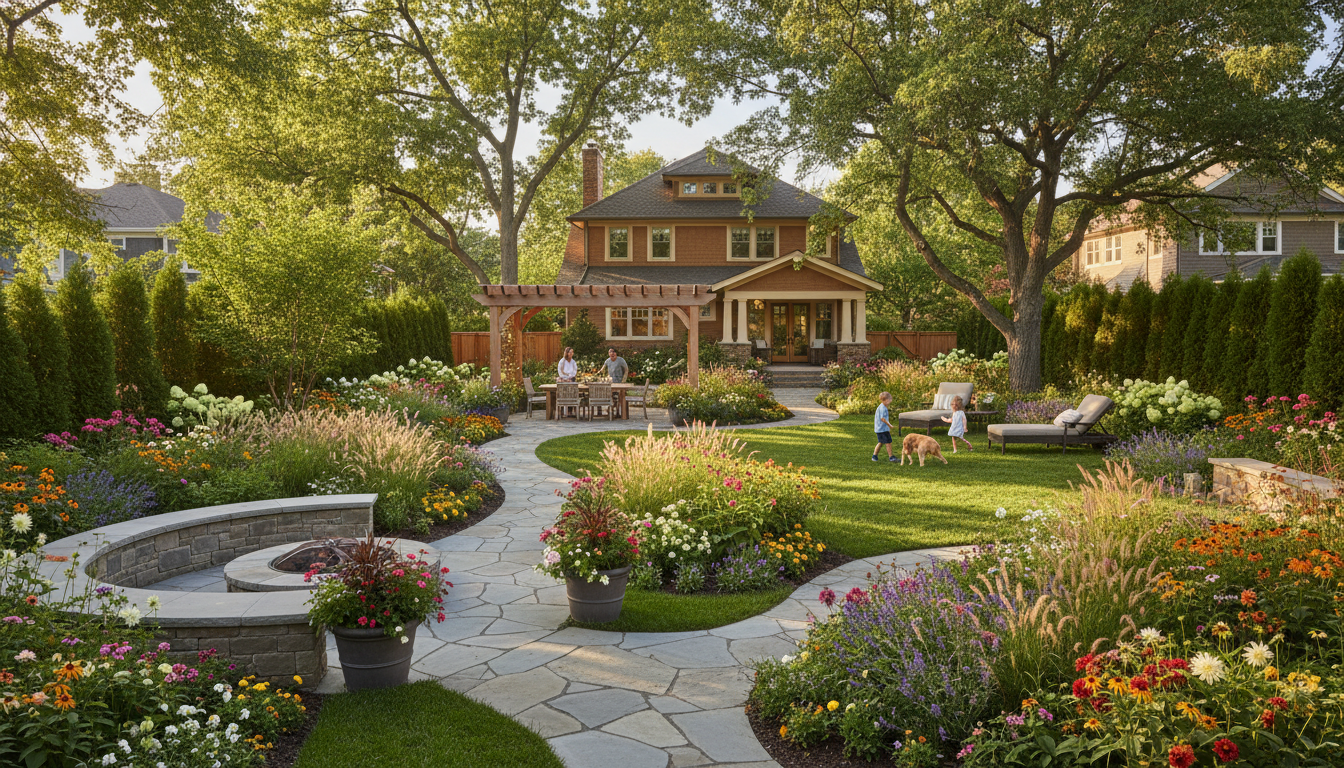
Tall fescue is the best grass for shade Tennessee residents can plant, as it thrives in low-light conditions and adapts well to heavy clay soils. For areas with significant tree coverage, creeping red fescue provides additional shade tolerance; it manages moisture and nutrient competition better than most warm-season varieties.
If you have spent your weekends tossing seed under those massive Tennessee oaks only to watch it wither by July, you are not alone. Many homeowners in Gallatin struggle to maintain a lush lawn in the heavy shadows, especially when battling our signature dense clay soil. A patchy, muddy yard under your trees does more than just hurt your curb appeal; it exposes your soil to erosion and makes your landscape feel unfinished. In this guide, we will draw on our local expertise to identify the best shade-tolerant cultivars for Middle Tennessee. You will learn how to navigate the competition between tree roots and turf, prepare your soil for success, and implement a maintenance routine that keeps your lawn green even when the sun is nowhere to be found.
The Challenge of Growing Grass Under Tennessee Shade Trees
Homeowners in established neighborhoods across Gallatin and Hendersonville often prize their mature oak and maple trees for the character and cooling shade they provide. However, these same trees frequently create frustrating bare patches where turf refuses to take hold. Finding the best grass for shade Tennessee requires understanding that local lawns face a unique triple threat that goes beyond just a lack of sunlight.
While limited light is the most obvious hurdle, Gallatin property owners also contend with aggressive tree root competition and our region's notorious heavy clay soil. Most lawn care guides focus exclusively on light, but in Middle Tennessee, the soil is often the primary obstacle. Our clay holds moisture poorly when compacted and restricts the flow of oxygen to the roots of the grass. When you combine the dense canopy of a mature tree with soil that drains poorly and lacks pore space for air, grass plants become severely stressed.
This environmental stress makes routine maintenance including mowing and general upkeep difficult, as the grass lacks the energy to recover from foot traffic or summer heat. To successfully grow a lawn in these conditions, you must account for how the soil structure interacts with the canopy to create a difficult growing environment.
Top Grass Varieties for Shaded Middle Tennessee Lawns
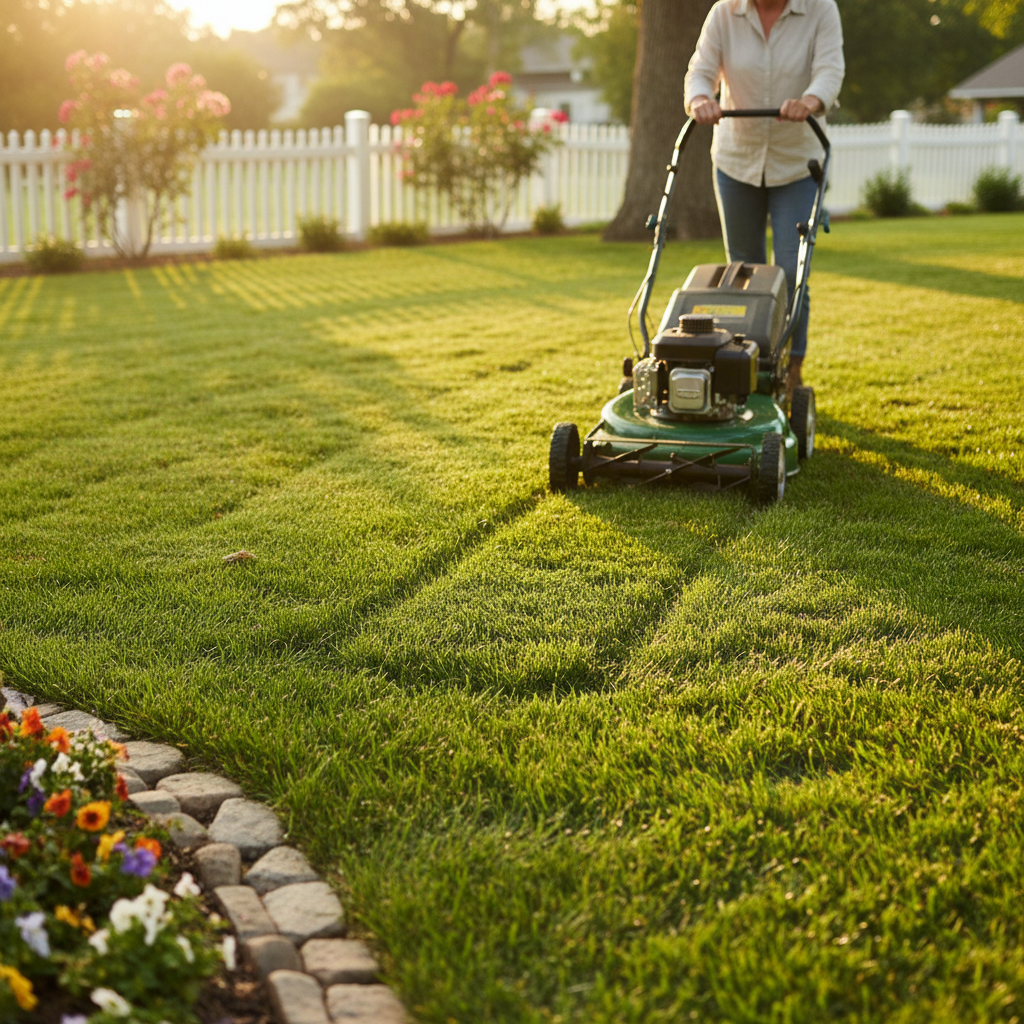
Success in growing a lawn beneath a canopy begins with selecting a species adapted to our transition zone climate. In Middle Tennessee, we reside in a geographical area where it is often too hot for many cool season grasses and too cold for many warm season ones. Data from the UT Institute of Agriculture suggests that selecting the right cultivar is the single most important decision for long term lawn health in shaded environments.
Tall Fescue remains the primary recommendation for Gallatin lawns with moderate shade. It is a hardy, cool season grass that maintains a deep green color for most of the year. To thrive, Tall Fescue requires approximately 4 to 6 hours of filtered or direct sunlight. If an area receives less than this, the grass will thin out and eventually succumb to the clay soil issues mentioned in the previous section.
For areas with more significant canopy cover, we often look to Fine Fescues, such as Creeping Red Fescue. These varieties are the superior choice for deep shade, as they can persist with as little as 2 to 4 hours of sunlight. However, they are more delicate than Tall Fescue and do not handle heavy foot traffic or high heat as effectively. In many cases, a specialized shade blend containing both Tall and Fine Fescues provides the best balance of durability and shade tolerance for a Sumner County backyard.
Grass Variety | Season Type | Min. Sunlight Required | Best Use Case |
|---|---|---|---|
Tall Fescue | Cool | 4 to 6 Hours | Primary lawn areas with partial shade |
Fine Fescues | Cool | 2 to 4 Hours | Deep shade under mature hardwoods |
Zeon Zoysia | Warm | 4 to 5 Hours | Homeowners wanting a carpet-like summer lawn |
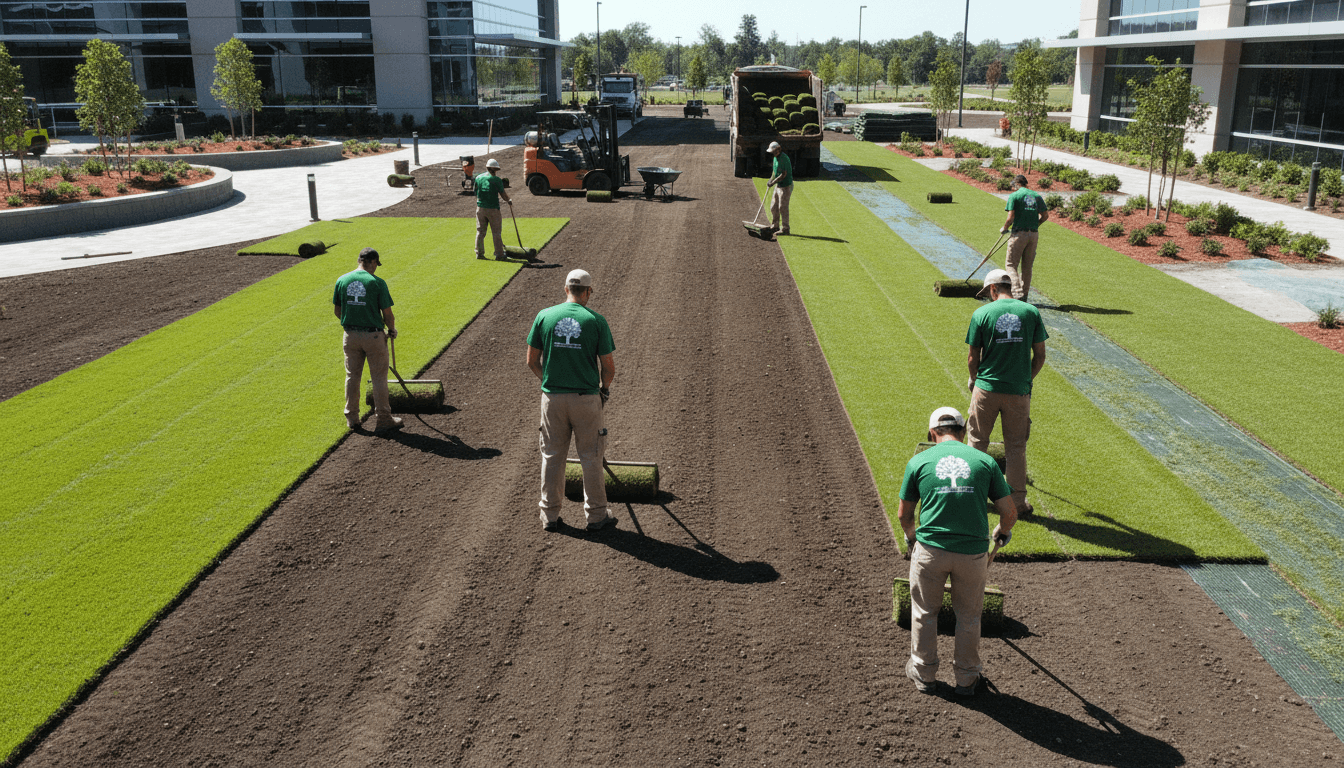
While most warm season grasses like Bermuda require full, unobstructed sun to survive, Zeon Zoysia is a notable exception. It is one of the few warm season options that can handle partial shade reasonably well. If your property has sections of full sun mixed with moderate shade, Zeon Zoysia can provide a consistent look that Bermuda simply cannot sustain. Regardless of the species you choose, ensuring the site is prepared correctly is essential for finding the best grass for shade Tennessee. Homeowners often find that investing in professional lawn care services to handle the initial seeding or sodding ensures these specific light requirements are met with the correct seed cultivars for our local environment.
Why Gallatin Clay Soil Makes Shade Even Harder for Grass
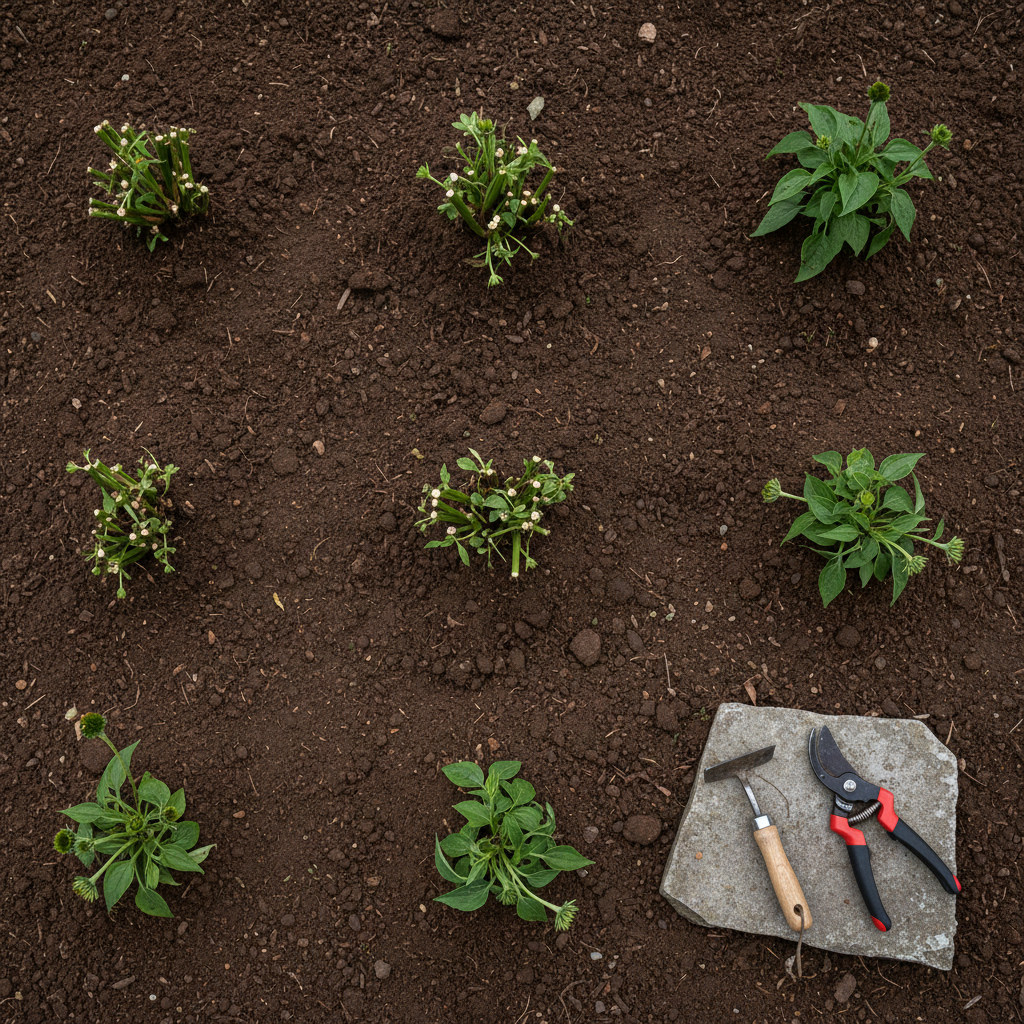
While selecting the best grass for shade Tennessee is a critical first step, the success of that seed depends entirely on the condition of the ground beneath it. In Gallatin and throughout Sumner County, homeowners deal with heavy, expansive clay that presents a physical barrier to healthy turf. When this clay is tucked under a dense tree canopy, it creates a unique set of challenges that many national lawn care guides overlook.
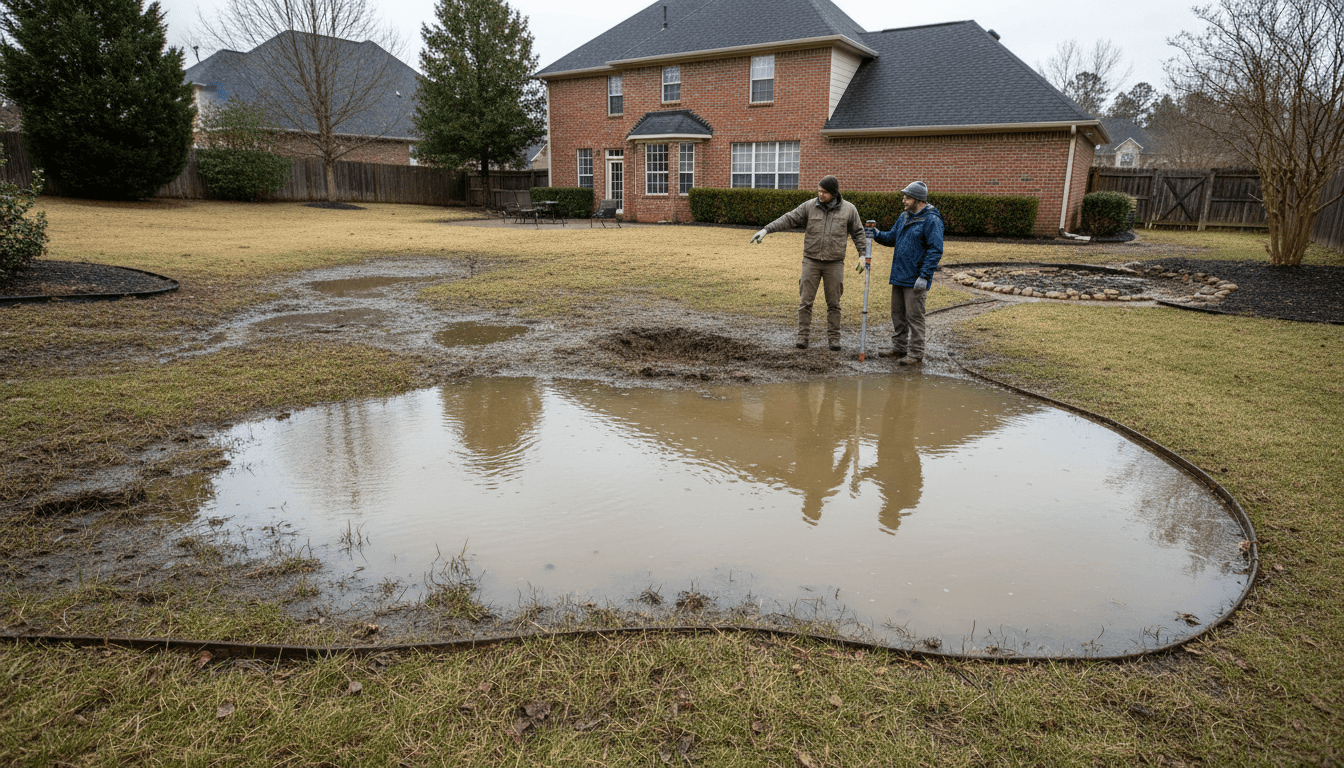
Clay soil is composed of microscopic particles that pack together tightly. Under the weight of mature trees and years of settling, this soil becomes severely compacted; it effectively turns into a layer of subterranean concrete. This compaction eliminates the pore space necessary for air and water to reach grass roots. While the shade keeps the ground cooler and reduces evaporation, the lack of oxygen in compacted clay often leads to root rot or stunted growth. Furthermore, because our local clay is so dense and difficult to penetrate, many tree species in Gallatin yards keep their roots in the top few inches of soil where oxygen is more available. These shallow tree roots physically occupy the same space the grass needs, leaving no room for fescue to establish a deep, resilient system.
To address this, we recommend core aeration as a non-negotiable part of your professional lawn care services. By pulling small plugs of soil out of the ground, we break up the compacted clay and manually create the pore space that nature hasn't provided. In shaded areas, this process is even more vital because it provides the grass a fighting chance to breathe in a space where it is already struggling for sunlight. Without addressing this compaction, even the most shade-tolerant seed will likely fail to thrive.
The Battle for Nutrients: Tree Roots vs. Grass Seed
The struggle to establish turf in shaded areas often stems from an invisible competition taking place beneath the surface. Many Gallatin residents ask, "why won't grass grow under my tree?" The answer lies in the sheer dominance of mature root systems. Large trees, particularly the oaks and maples common in Sumner County, act as water hogs. Their massive root networks are highly efficient at absorbing moisture and nutrients, often depleting the upper soil layers before young fescue seedlings can even begin to hydrate.
When you are attempting to grow the best grass for shade Tennessee, you must adjust your irrigation strategy to account for this theft. We recommend increasing your watering frequency in these zones; aim for light, frequent applications to ensure the grass seed stays moist while the tree takes its share. You are essentially feeding two thirsty plants at once, and the established tree will always win the first round of absorption.
However, avoid the temptation to fix uneven ground by hauling in thick layers of new topsoil to cover exposed roots. Adding more than two inches of soil can actually suffocate a tree by cutting off oxygen to its surface roots, leading to long term health decline or death. Balancing the needs of both the canopy and the lawn requires a careful approach to professional lawn care services that respects the biology of both plants.
How to Prepare Shaded Areas for Successful Seeding
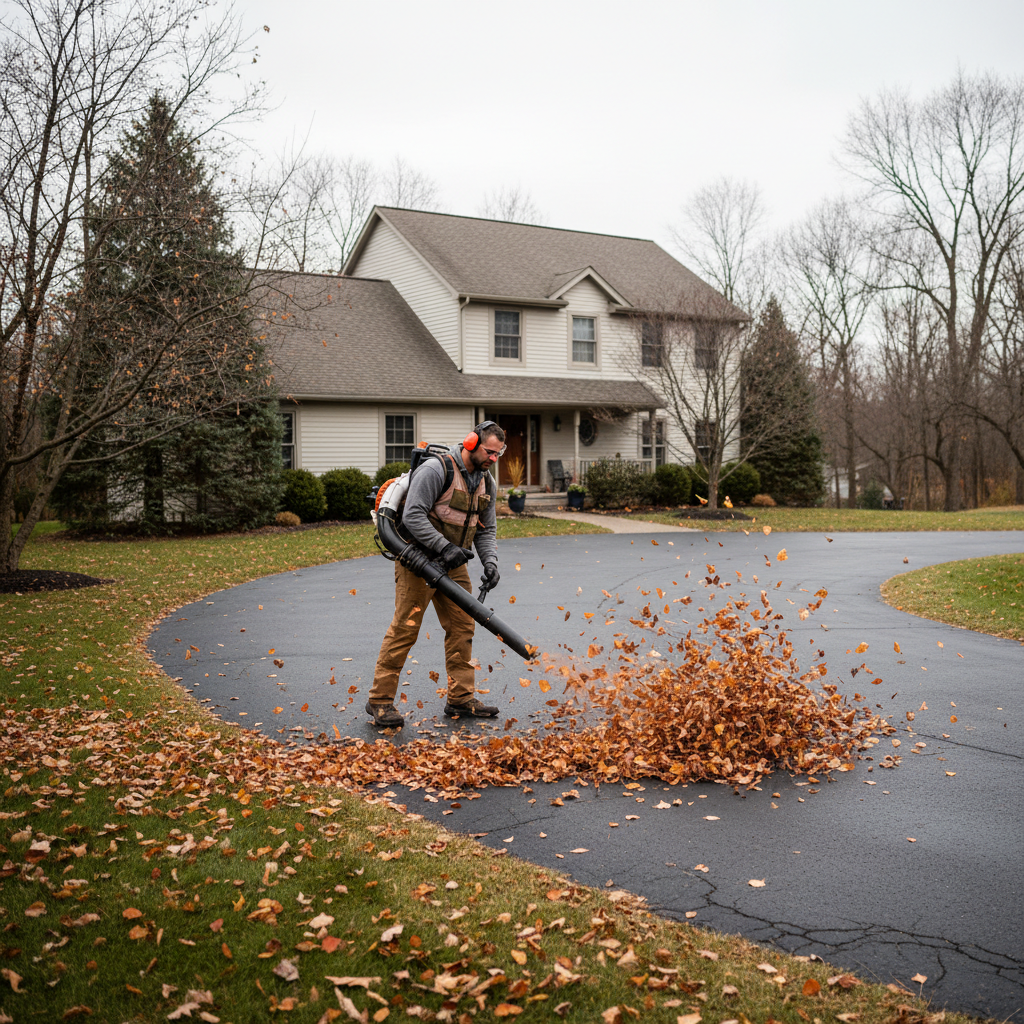
To overcome the nutrient competition from tree roots, you must manually tip the scales in favor of your new grass through meticulous site preparation. Successful seeding in a shaded Gallatin yard requires more than simply spreading seed over bare patches.
Start by evaluating the tree canopy. Pruning low hanging limbs, typically those below six to eight feet from the ground, significantly increases the amount of dappled sunlight reaching the soil. This technique provides the grass with vital energy for photosynthesis while maintaining the aesthetic value of your hardwoods.
Next, ensure the ground is completely clear of organic debris. In Sumner County, leaf smothering is a leading cause of fescue death. A thick layer of oak or maple leaves acts as a tarp, cutting off oxygen and trapping disease-causing moisture. Scheduling thorough seasonal cleanups before seeding ensures your new growth isn't suffocated before it takes root.
Finally, apply a starter fertilizer specifically designed for shaded zones. These blends prioritize root development over rapid top growth, giving the best grass for shade Tennessee a necessary head start. If the physical labor of prep work is daunting, our professional lawn care services can handle the heavy lifting to ensure your shaded areas are primed for a successful growing season.
Maintaining Shade Grass: Mowing and Watering Tips
Maintaining a healthy lawn under a canopy requires a different strategy than caring for open, sunny spaces. For the best grass for shade Tennessee, specifically Tall Fescue or Fine Fescues, you must raise your mower deck. While a standard Bermuda lawn thrives when cut short, shaded grass needs more leaf surface to maximize photosynthesis. We recommend keeping these areas between 3.5 and 4 inches high. This extra height allows the plant to produce enough energy to survive in low light conditions.
Watering habits also need adjustment. Aim for deep, infrequent sessions that reach past the surface of the clay soil to encourage deep rooting. Be cautious; the reduced evaporation under a tree canopy means these zones stay damp longer. Stagnant air and persistent moisture are prime conditions for powdery mildew and other fungal issues. Our professional lawn care services focus on timing irrigation for the early morning to ensure blades dry out during the day, preventing the dampness that leads to disease.
When Grass Isn't the Answer: Local Alternatives for Deep Shade
In some corners of a Gallatin property, even the best grass for shade Tennessee can provide will not survive. If an area receives less than two hours of filtered light daily, you have reached the biological limits of turf. For these deep shade zones, we recommend pivoting to landscaping solutions that thrive in heavy clay and low light.
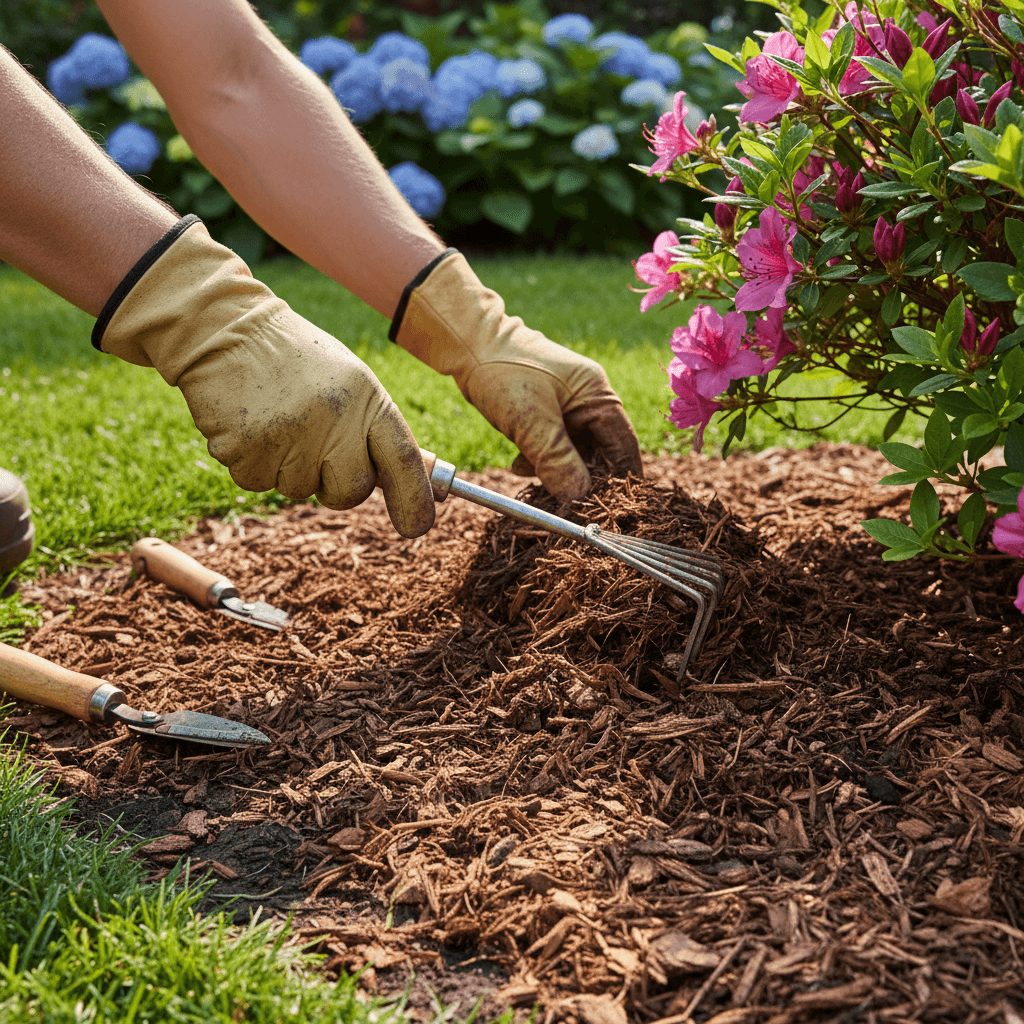
A well-edged mulch bed combined with shade-tolerant perennials like Hostas or Coral Bells offers a clean, intentional look without the frustration of thinning turf. Native groundcovers, such as Pachysandra or Lenten Roses, handle the root competition from mature oaks much better than fescue. Integrating these beds into your seasonal cleanups keeps the landscape looking sharp. Our team provides professional lawn care services that include designing and maintaining these alternative spaces, ensuring your yard remains beautiful even where the sun rarely reaches.
Choosing the right grass variety and amending your clay soil are the first steps toward a lush lawn in the shade. While Gallatin's tall trees offer relief from the heat, they also present unique challenges for turf growth. If you find the process of balancing soil health and shade tolerance a bit overwhelming, we are here to help. Our team can provide the expert care your landscape needs to thrive. You can learn more about our professional Services to see how we can transform your property into a beautiful, shaded oasis.