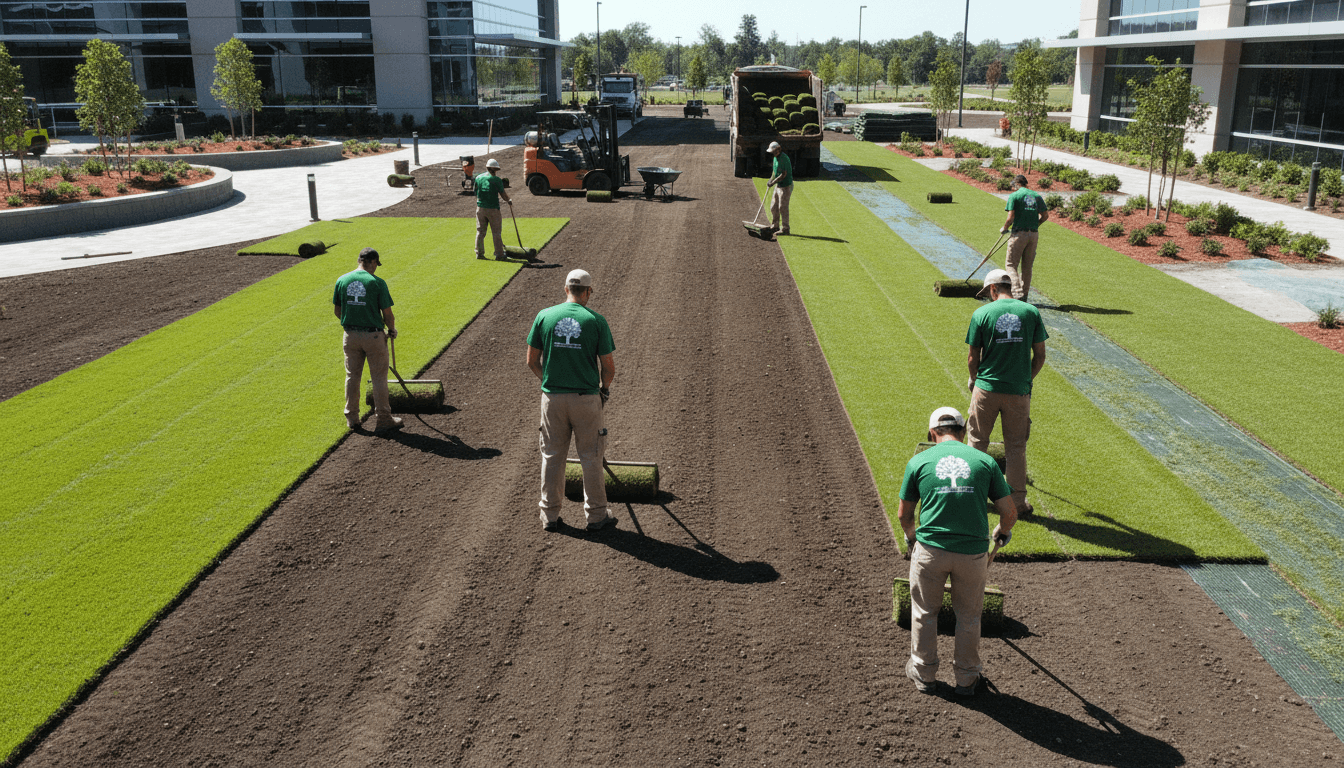

Effective Tennessee lawn weed control requires a proactive approach that includes applying pre-emergent herbicides during key windows in February, April, and September. Successful prevention also involves identifying specific regional threats like crabgrass and nutsedge while utilizing consistent maintenance to ensure the grass remains healthy and competitive.
Maintaining a lush, green lawn in Gallatin often feels like a losing battle against an unrelenting tide of crabgrass and nutsedge. For many Middle Tennessee homeowners, the frustration of watching invasive species choke out healthy turf is all too familiar; this struggle stems from our unique position in the transition zone where heavy clay soil and volatile temperature swings create the perfect environment for weeds to thrive. Understanding the science behind local landscape management is the only way to reclaim your yard. In this guide, we will explore why Sumner County soil presents such a challenge, the critical fifty-five degree rule for pre-emergent timing, and how to identify common local culprits. You will also learn how professional mowing techniques and seasonal cleanups can act as your primary line of defense, ensuring your grass stays healthy while the weeds disappear for good.
The Middle Tennessee Lawn Battle: Why Your Yard is a Weed Magnet
Walking out to your mailbox only to see a pristine, emerald green yard next door while your own turf is dotted with dandelions or crabgrass is a uniquely frustrating experience. In Gallatin, this disparity often has less to do with effort and more to do with the "Transition Zone." Middle Tennessee sits in a geographic region where the climate is just right for both cool-season and warm-season grasses to grow. Unfortunately, this also means our soil is a welcoming host for twice as many weed species as other parts of the country.
Effective Tennessee lawn weed control is rarely about the volume of chemicals you spray; it is a matter of strategy and timing. Because Gallatin property owners are fighting both winter and summer weeds simultaneously, a reactive approach usually fails. Maintaining a sharp, clean outdoor space through professional lawn care services like mowing, trimming, and edging helps, but the real secret lies in knowing when the soil is ready for intervention. To stop the cycle of frustration, you have to understand why our local environment is such a magnet for invaders before you can properly contact Clayton's Lawn & Landscape to implement a long-term solution. Success in Sumner County requires a calendar, not just a sprayer.
The Transition Zone Challenge: Climate and Clay Soil in Sumner County
Gallatin’s geographic location creates a specific set of environmental hurdles that local property owners must navigate. The foundation of the problem is the heavy, orange clay soil predominant throughout Sumner County. While this soil is rich in some minerals, its physical structure is often hostile to healthy turf. Clay particles are tiny and pack together tightly, leading to severe compaction. This compaction makes it difficult for grass roots to breathe or penetrate deep enough to survive the summer heat.
In many local residential developments, the construction process further compacts the earth, creating pockets of poorly drained soil. These conditions are a death sentence for delicate grass varieties, but they provide a perfect habitat for opportunistic invaders. For instance, goosegrass is a frequent sight in Gallatin because it specifically thrives in high-traffic, compacted areas where the soil is too dense for grass to compete. These weeds have evolved to flourish in the very conditions that choke out your lawn.
The soil’s naturally acidic pH further complicates Tennessee lawn weed control. Most desirable grasses prefer a more neutral environment to absorb nutrients efficiently. When the soil is too acidic, the grass becomes stunted and pale, leaving open gaps in the canopy. High humidity levels and the unpredictable temperatures of a Middle Tennessee spring add additional stress. A sudden warm spell followed by a hard frost can weaken the turf just as weed seeds begin to germinate. Without professional lawn care services to manage these soil conditions, weeds will almost always find a way to gain the upper hand.
Timing the Attack: Soil Temperatures and the 55 Degree Rule
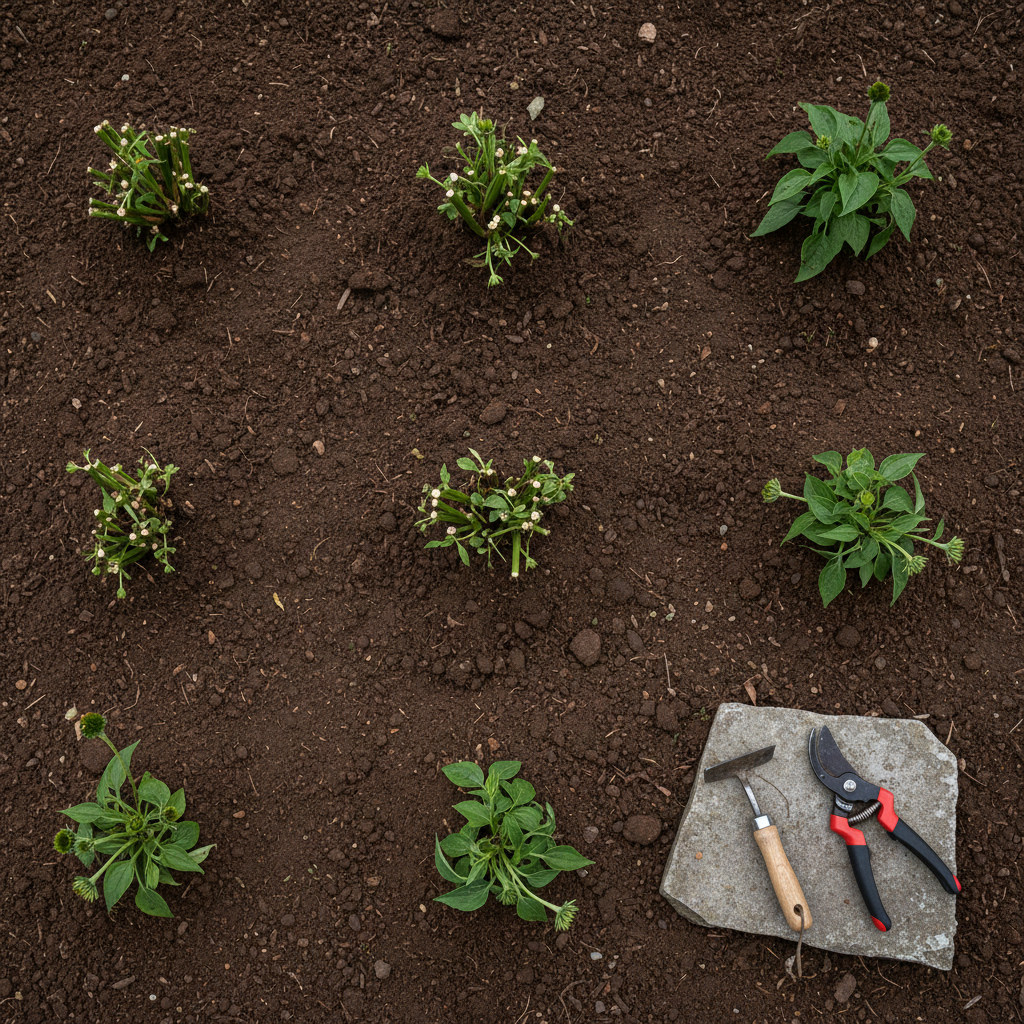
Timing is the most critical element of Tennessee lawn weed control. You can have the best products available, but if the soil temperature is not right, the application will fail. For most of the aggressive weeds we see in Gallatin, the magic number is 55 degrees. When the soil temperature reaches 50 to 55 degrees Fahrenheit for three consecutive days, weed seeds like crabgrass begin their biological germination process.
This biological clock creates a narrow window for preventative action. In Sumner County, this usually occurs between mid-February and early March. If you wait until you see the first sprout of crabgrass or the spread of chickweed, you have already missed the chance to use a pre-emergent herbicide effectively. Pre-emergent works by creating a chemical barrier in the top layer of soil that prevents seeds from successfully taking root. Once the plant has emerged and is visible, it becomes a post-emergent problem. While post-emergent treatments can kill existing weeds, they are often more labor-intensive and expensive than a well-timed preventative application.
Many homeowners do not think about lawn care services until the weather is warm enough for a t-shirt, but the lush yard you want in July is actually won or lost in the cold mud of February. Think of pre-emergent as an insurance policy for your turf. By the time the summer heat arrives, a lawn that was properly treated during the 55-degree window will have fewer competitors for water and nutrients. This allows your grass to grow thick and dense, which is the best way to prepare for a season of professional mowing, trimming, and edging. To get ahead of the cycle before the ground begins to thaw, it is often best to contact Clayton's Lawn & Landscape early to ensure your property is protected before those seeds have the chance to wake up.
Identifying Common Gallatin Weeds: Crabgrass, Nutsedge, and Broadleaves
Identifying the specific invaders in your yard is the first step toward reclaiming your turf. In Sumner County, most infestations fall into three distinct categories: grassy weeds, sedges, and broadleaves. Knowing which one you are facing determines the product and method required for effective Tennessee lawn weed control.
1. Grassy Weeds Smooth Crabgrass is the most prevalent grassy weed in Gallatin. It thrives in our heavy clay soils and is easily identified by its wide, flat blades that fan out from a central point, resembling a crab’s legs. While crabgrass is predictable, Dallisgrass is a much more formidable opponent. It grows in thick, coarse bunches and is often a darker, grayish-green than the surrounding fescue. Dallisgrass is notoriously hard to kill because it has a deep, persistent root system; if you do not manage it early with professional lawn care services, it can eventually require a full lawn renovation.
2. Sedges Yellow Nutsedge is frequently mistaken for a common grass, but it is actually a sedge. You can identify it by its unique triangular stem; if you feel the base of the plant, it will have distinct edges rather than being round. It is a bright, waxy yellowish-green and grows much faster than your lawn grass, making it stick out like a sore thumb. Because nutsedge thrives in moisture, it usually congregates in the wet spots of Tennessee yards where drainage is poor or irrigation is heavy.
3. Broadleaf Weeds Broadleaf weeds are the most visually obvious invaders. Dandelions are famous for their bright yellow flowers and deep taproots that make hand-pulling difficult without leaving the root behind. During the cooler months, you will likely see Henbit and Chickweed. Henbit features square stems and small, orchid-like purple flowers, while Chickweed grows in dense, low mats with small white petals. These winter annuals often signal that your turf was too thin in the fall, allowing seeds to find the soil surface.
Proper identification ensures you do not waste time or money on the wrong treatments. If your yard is currently a patchwork of these species, you may need to contact Clayton's Lawn & Landscape to develop a targeted plan. Consistent mowing, trimming, and edging helps keep these populations in check, but a professional eye can spot the difference between a minor nuisance and a property-wide takeover.
How to Kill Weeds Without Killing Your Grass
Eliminating invasive species while preserving your turf requires an understanding of how herbicides interact with different plant biologies. The most common question Gallatin homeowners ask is how to target weeds without scorching the surrounding grass. The answer lies in using selective herbicides. These products are formulated to attack specific weed structures, such as the broad leaves of a dandelion, while leaving narrow-blade grasses like Tall Fescue unharmed. In contrast, non-selective herbicides kill almost any green vegetation they touch; these should be reserved for clearing fence lines or driveway cracks where no growth is desired. If you are unsure which product matches your grass type, it is safer to contact Clayton's Lawn & Landscape for a professional assessment.
For established lawns, spot treating is often more effective and less stressful for your yard than blanket applications. By applying product only where weeds are visible, you reduce chemical exposure and protect the overall health of the soil. However, the most effective tool for Tennessee lawn weed control is actually the grass itself. A thick, dense lawn creates a natural canopy that chokes out sunlight, preventing dormant weed seeds from ever reaching the germination stage. This is why routine mowing, trimming, and edging is so vital; keeping grass at the proper height encourages the density needed to fight off invaders naturally through basic lawn care services.
### Manual and Natural Alternatives If you prefer a hands-on approach or have a small infestation, several manual methods work well in our local clay soil:
Hand-pulling after rain: Gallatin's heavy clay is easiest to work with when wet. Pulling weeds like plantain or dandelions after a soaking rain ensures you get the entire taproot.
Vinegar solutions: High-strength horticultural vinegar is an excellent natural option for weeds in hardscapes. It works quickly on driveway weeds but should never be used on the lawn because it is non-selective.
Boiling water: This is a safe, chemical-free way to kill weeds in sidewalk joints without leaving a residue. It effectively cooks the plant and root system in areas where you do not want to use traditional sprays.
Cultural Control: Mowing and Edging as Weed Defense
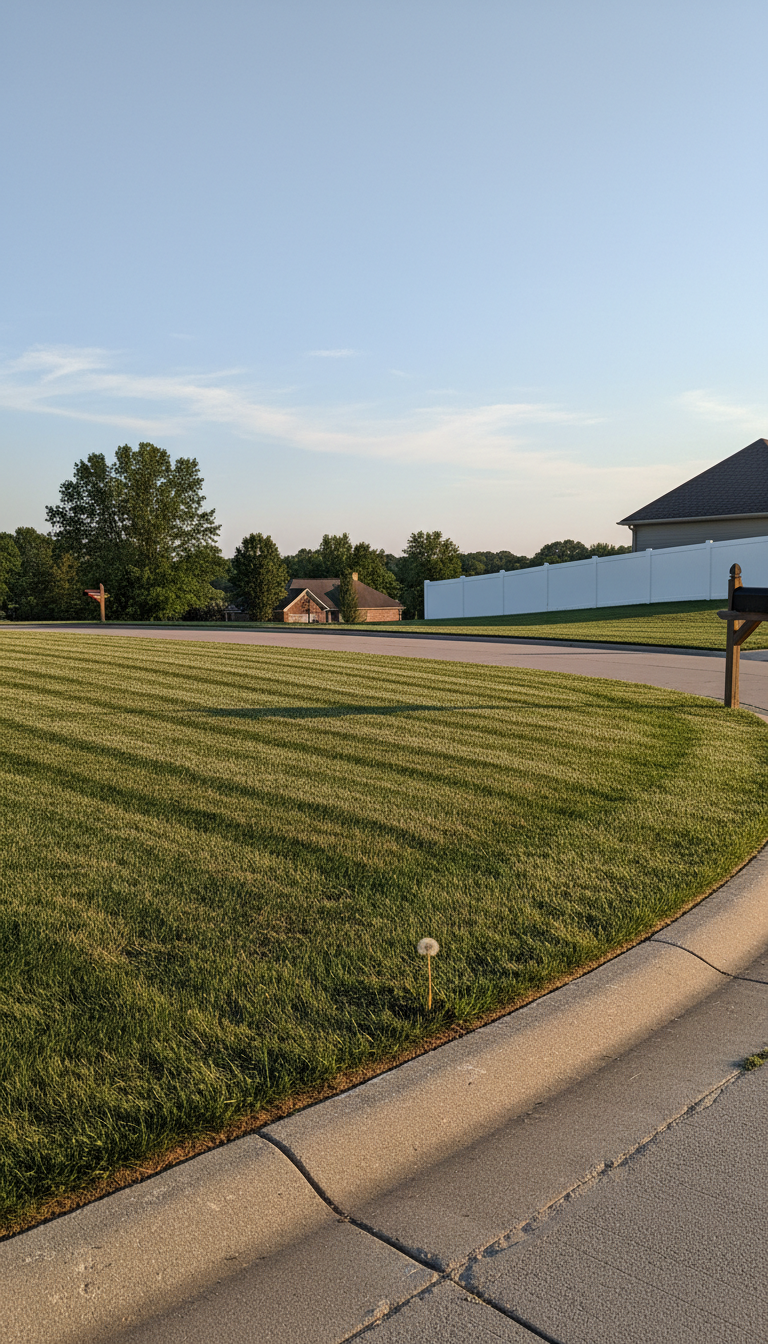
While herbicides are important, the most effective tool in your arsenal is a consistent schedule of professional mowing, trimming, and edging. In Gallatin, many homeowners make the mistake of scalping their lawn, cutting it as short as possible to extend the time between mows. This practice weakens the root system and exposes the soil to direct sunlight, which is exactly what crabgrass seeds need to germinate. For the Tall Fescue commonly found in Sumner County, we recommend and maintain a height of 3.5 to 4 inches. This taller canopy shades the ground, keeping soil temperatures lower and naturally choking out smaller weed sprouts before they can establish.
Clean edging along sidewalks, driveways, and curbs serves a purpose beyond a sharp appearance. These concrete surfaces act as heat sinks, warming the adjacent soil and creating a microclimate where weeds thrive. By maintaining a crisp, vertical edge, we prevent creeping weeds from migrating from the pavement into your turf. During our routine lawn care services, our team can also identify and spot treat lawn weeds that manage to break through the canopy. This proactive maintenance, combined with proper mowing heights, ensures your grass remains the dominant species. If your current routine is leaving your lawn thin and vulnerable, you can contact Clayton's Lawn & Landscape to set up a professional maintenance plan designed for the specific challenges of Middle Tennessee.
Winter Prep and Seasonal Cleanups: Stopping Next Year's Weeds Now
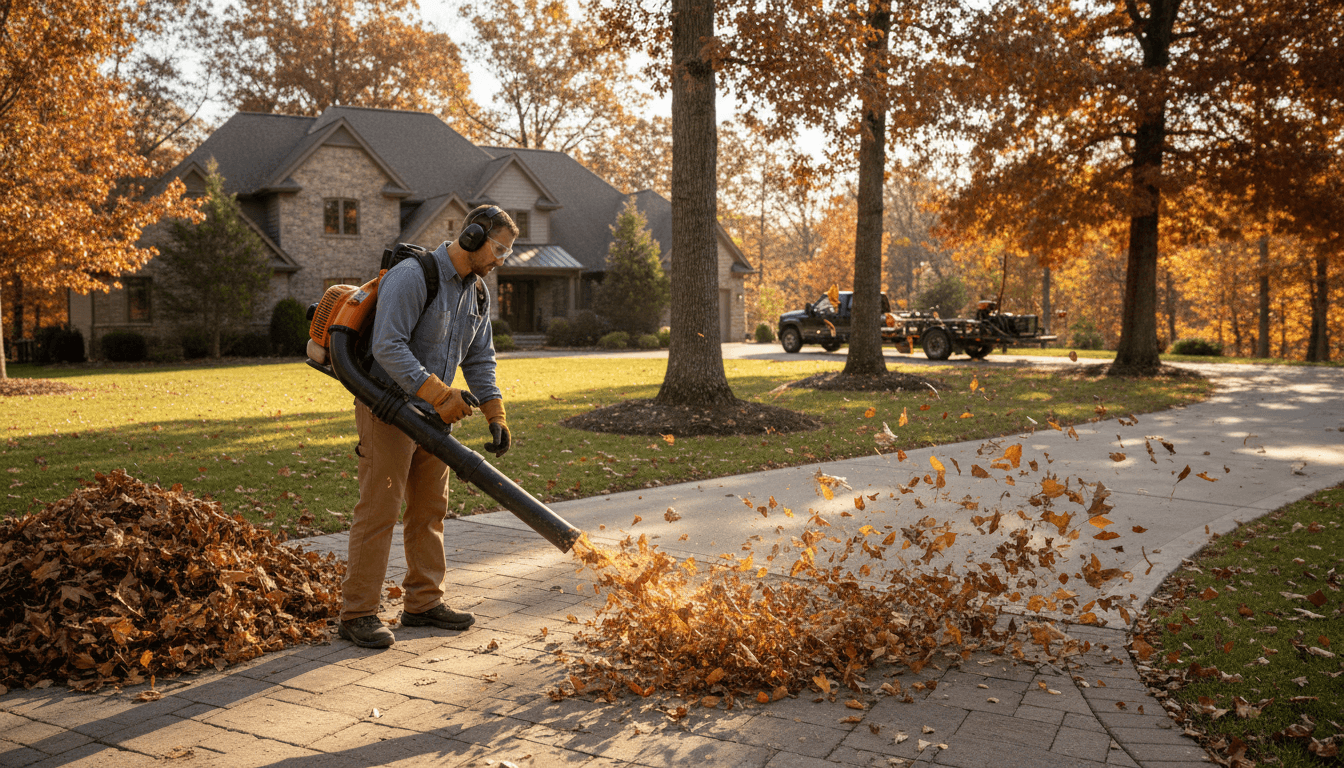
As the growing season ends, winter preparation becomes the first line of defense for the following year. In Gallatin, allowing a thick layer of autumn leaves to remain on the turf through the winter is a common mistake. These leaves mat together, trapping moisture and blocking sunlight. This combination creates a dead zone where the healthy fescue is smothered. By the time spring arrives, you are left with bare patches of soil. These exposed areas are exactly where weed seeds, lying dormant in our clay soil, will first take root. Comprehensive lawn care services that include thorough seasonal leaf removal are essential for preserving the turf density needed to naturally resist invaders.
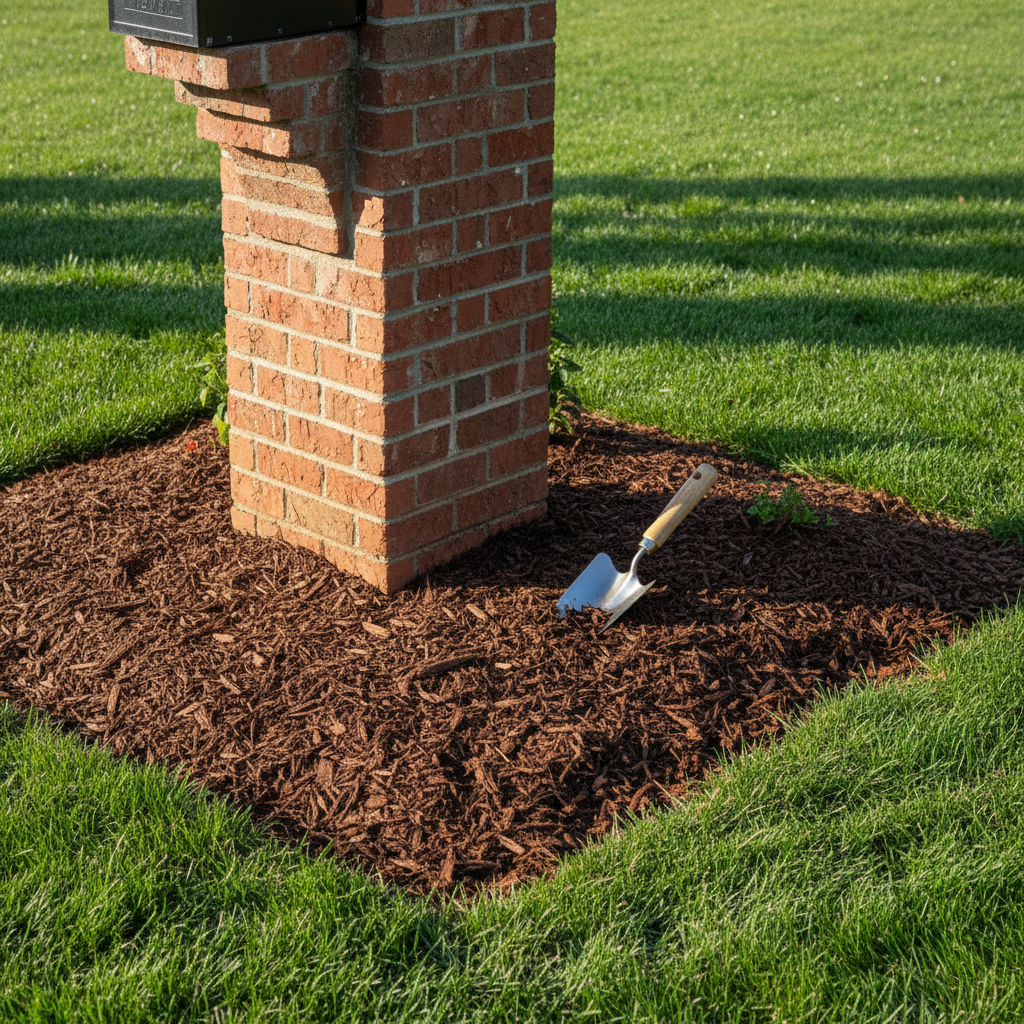
Beyond the turf, maintaining clean garden beds is a hallmark of well kept residential properties in Sumner County. Weed seeds in these beds thrive when soil is exposed to direct sunlight. A professional mulch installation provides a vital biological barrier; by applying a consistent layer of high quality mulch, you physically block the sunlight required for seed germination. This preventive measure significantly reduces the need for heavy chemical intervention later in the season. Keeping beds tidy through late winter ensures that when the soil warms up, your ornamentals have no competition for nutrients. For homeowners looking to secure their landscape against the spring surge, it is wise to contact Clayton's Lawn & Landscape to schedule a seasonal cleanup. Combining these efforts with routine mowing, trimming, and edging keeps your entire property sharp and resilient. Effective Tennessee lawn weed control is a year round commitment that starts long before the first dandelion appears.
Successfully managing the aggressive weeds found throughout Middle Tennessee requires a proactive strategy and a deep understanding of our local climate. While consistent mowing and proper fertilization provide a solid foundation, keeping these stubborn invaders at bay is often a demanding commitment throughout the entire year. If you find yourself wanting expert help to maintain a pristine yard, our dedicated team is here to support you. You can learn more about our local expertise and how we help Gallatin homeowners achieve beautiful results without the extra stress.