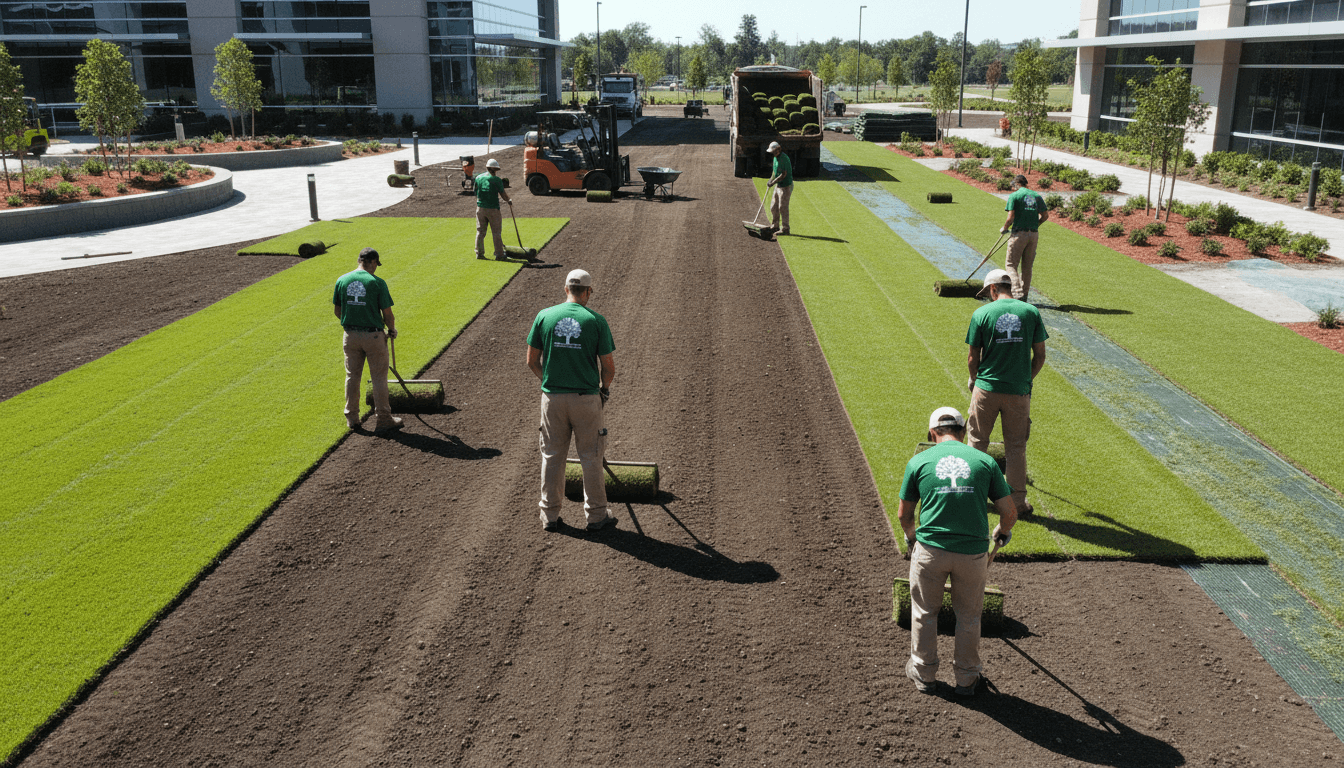

The best time for when to plant fescue grass seed in Tennessee is during the early fall, ideally between late August and mid-October. This window provides the warm soil and cool evening temperatures necessary for optimal germination and root growth before winter. A secondary planting window occurs in early spring from late February to early April, though fall remains the preferred season for establishing lawns in Tennessee's clay soil.
Most homeowners in Gallatin and Sumner County know the frustration of watching a promising lawn turn brown and patchy despite their best efforts. Middle Tennessee presents a unique challenge because of our heavy clay soil and intense summer heat; these factors can easily kill off new fescue before it even takes root. If you miss the narrow window for planting, your investment in seed and labor will likely go to waste. In this guide, we will break down exactly when to plant fescue grass seed to ensure long term success. You will learn about the ideal months for germination, the specific preparation needed for our local clay soil, and why the choice between fall and spring seeding is critical for your lawn's survival in the Tennessee climate.
The Best Month to Plant Grass Seed in Middle Tennessee
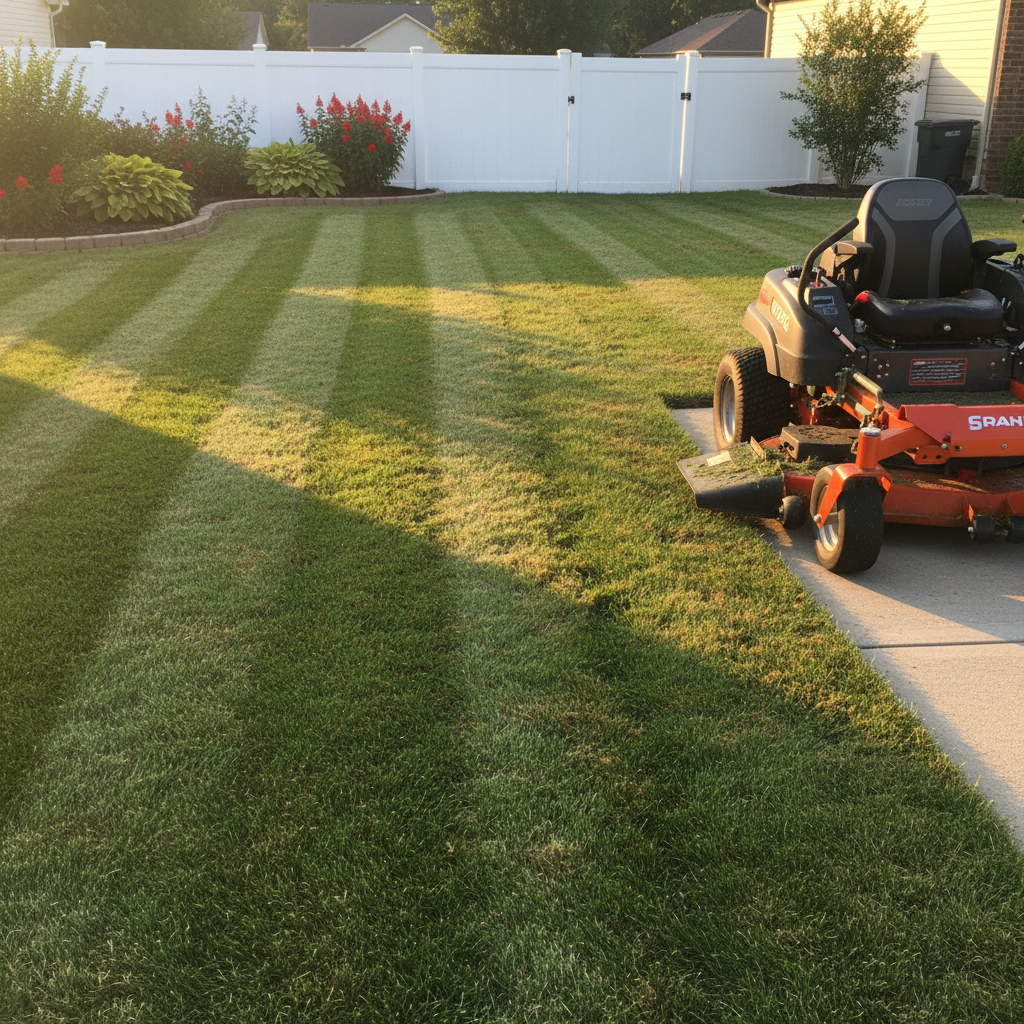
When determining when to plant fescue grass seed in Tennessee, specifically within Middle Tennessee, generic national advice often misses the nuances of our local climate. In Gallatin and Sumner County, we target a Golden Window that typically spans from late August through early October. This period aligns perfectly with the biological needs of tall fescue, offering a environment that ensures survival beyond the first few weeks.
The success of your seeding depends on a specific magic combination: warm soil and cool air. Soil temperatures need to remain above 50 degrees to encourage germination, while air temperatures should ideally hover between 60 and 75 degrees. This thermal balance allows the seed to sprout quickly without the metabolic stress caused by summer heat or the dormancy triggered by a hard freeze.
Our region differs significantly from East Tennessee. Because of our local humidity levels and slightly later first frost dates, we often see a precise performance peak for new seed in late September. Planting during this primary season is non-negotiable for a long-term lawn. It allows the grass to establish a mature root system during the cool autumn and spring months before the inevitable scorched earth of a Tennessee summer arrives. Without these months of root development, new fescue rarely survives the 90 degree heat of the following July. For those who prefer to leave the timing and labor to experts, our professional lawn care services ensure your seed hits the ground at this exact biological peak.
The Challenges of Seeding in Gallatin Clay Soil
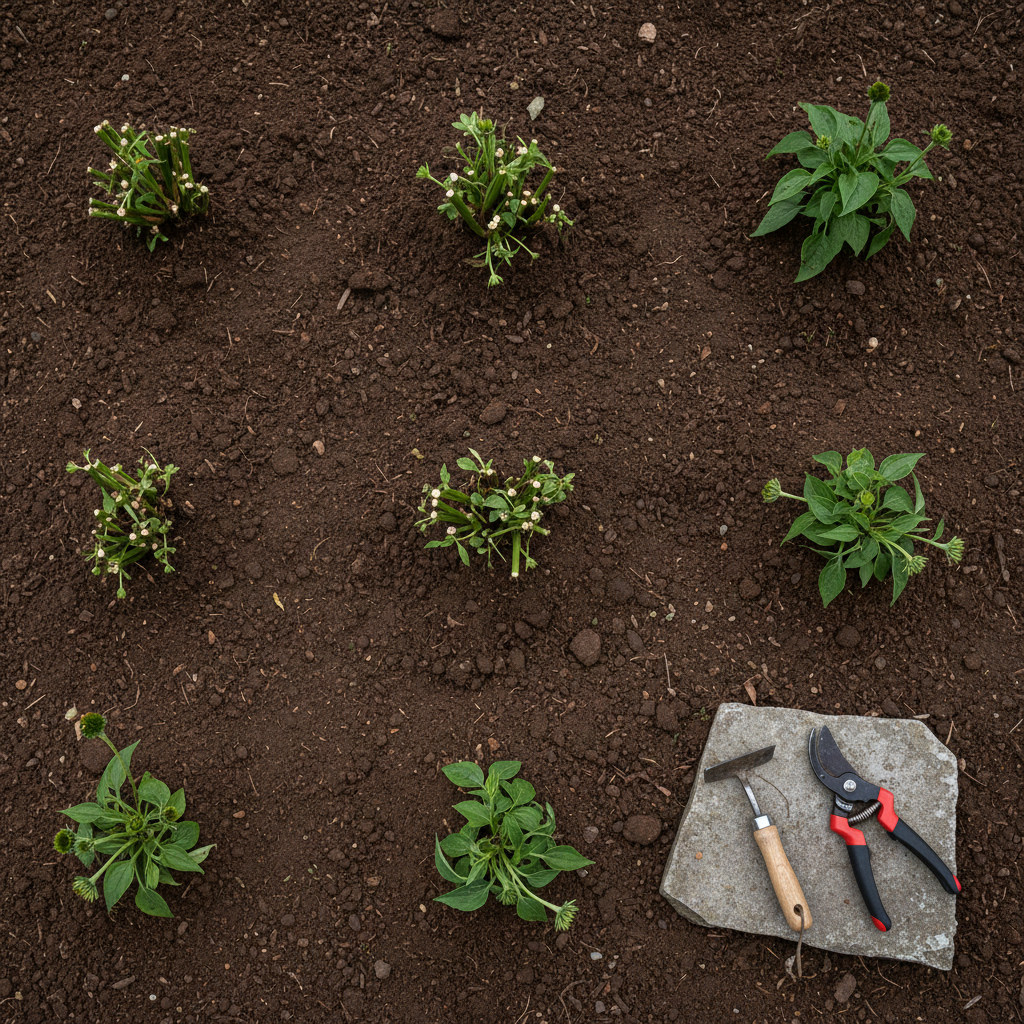
Sumner County is home to some of the most challenging heavy clay soil in the state. While generic gardening guides might suggest a simple broadcast of seed, homeowners in Gallatin know that throwing and going rarely leads to a lush lawn. The primary obstacle is compaction. Clay particles are microscopic and flat, causing them to stack tightly together like a deck of cards. This creates a surface that is nearly impenetrable for new, delicate fescue roots. Without breaking that surface, the seed remains exposed to birds and drying winds rather than making the necessary seed to soil contact required for germination.
Even if a seed manages to sprout on top of undisturbed clay, it often suffocates. The lack of pore space in compacted soil means there is no room for the oxygen that roots need to survive. Furthermore, managing moisture in our local red clay requires precision. Because clay drains slowly, overwatering even slightly can lead to standing water in low spots, which effectively rots the seed before it can take hold. Conversely, if the surface is allowed to dry out completely, it bakes into a brick like consistency that physically crushes or shears off young grass shoots.
Overcoming these hurdles requires a more technical approach than simply knowing when to plant fescue grass seed in Tennessee. It demands a physical intervention to the soil structure itself. We emphasize the necessity of opening the ground to create a receptive environment for the seed. If the labor of preparing this stubborn ground feels daunting, our routine maintenance and specialized seeding programs are designed specifically to handle Gallatin's unique geology. By addressing the soil physics before the seed ever touches the ground, we ensure that your investment doesn't just sit on the surface, but actually takes root.
Fall vs Spring Seeding in Sumner County
Homeowners often realize their lawn needs attention just as the first warm days of March arrive, long after the primary fall window has closed. While fall is the optimal time for when to plant fescue grass seed in Tennessee, a secondary window exists from late February through early April. This spring window serves as a recovery option for bare spots, yet it carries specific biological risks that are unique to our local climate.
The greatest challenge with spring-seeded fescue is the July wall. A seedling germinated in March has less than ninety days to develop a root system before the intense Tennessee humidity and heat arrive. In Gallatin's heavy clay, these shallow roots cannot reach the deeper, cooler moisture needed to survive 90 degree days. It is common to see a spring lawn that looks beautiful in May completely vanish by August. For those who cannot wait until fall, you should contact our Gallatin team to discuss a high-maintenance watering strategy to help these young plants survive their first summer.
Furthermore, spring seeding creates a direct conflict with weed control. The pre-emergent herbicides used to stop crabgrass in Middle Tennessee are non-selective; they will kill your new fescue seed just as effectively as the weeds. Choosing to seed in the spring means sacrificing your chemical barrier against summer weeds, often resulting in a lawn that is half grass and half crabgrass by mid-July. If you need a long-term solution rather than a temporary green-up, our professional lawn care services usually recommend prioritizing the fall window to ensure the grass has a full eight months to mature before facing a Sumner County summer.
When is it Too Late to Plant Grass Seed in Tennessee
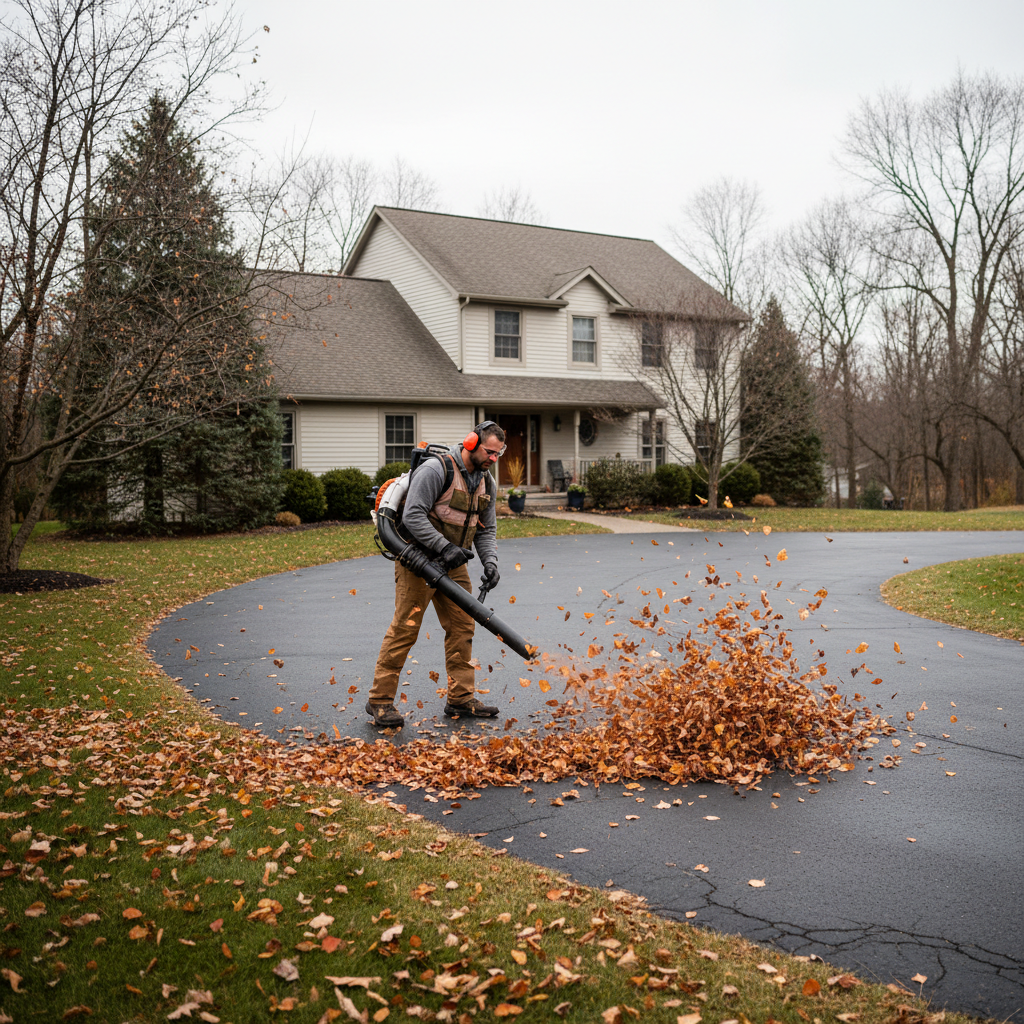
Homeowners in Middle Tennessee often feel a sense of urgency as the leaves begin to turn, wondering if they can still squeeze in a seeding project before winter. When considering when to plant fescue grass seed in Tennessee, our firm cutoff for Gallatin and the surrounding Sumner County area is October 15. While the weather might still feel mild during the day, the biological clock for tall fescue is ticking toward the first hard freeze, which typically arrives in our region between early and mid-November.
To survive its first winter, a fescue seedling requires at least 45 days of growth to establish sufficient crown strength. This development is critical for anchoring the plant firmly into the ground. If you plant in November, you might see green shoots appear, but the root systems will be too shallow to withstand the physical volatility of Gallatin's clay. Our local soil is particularly prone to frost heaving. During the inevitable freeze-thaw cycles of late autumn, the moisture trapped in the dense clay expands and contracts, literally pushing immature seedlings out of the ground. These heaved plants lose contact with the soil and die from exposure before spring ever arrives.
If the calendar has already turned to late October, the most practical advice is to wait. Attempting to seed this late is often a waste of expensive seed and labor. Instead, we recommend waiting for a dormant seeding window in February or preparing for a comprehensive plan the following fall. If you are unsure if your property is ready for the change in seasons, you can contact our Gallatin team to evaluate your soil's current state and discuss how our professional lawn care services can get your yard back on track.
How to Prepare Clay Soil for Fescue Germination
Preparing Gallatin’s dense clay for a successful lawn requires a specific sequence of physical and chemical corrections. The foundational step is core aeration. Unlike spike aerators that simply push soil aside, a core aerator removes small plugs of earth. This process creates the necessary pore space for air and water to penetrate the clay, providing a clear path for new roots to expand. Without this mechanical intervention, the heavy soil remains a physical barrier that restricts growth. Determining the right time to start is only half the battle; knowing when to plant fescue grass seed in Tennessee must be coupled with physical soil preparation to see real results.
Before applying any seed or fertilizer, utilize the resources at the local UT Extension office in Gallatin for a professional soil test. Clay in Sumner County is frequently acidic; if your soil pH is off, the grass cannot efficiently absorb nutrients. A soil test removes the guesswork, telling you exactly how much lime or phosphorus your specific yard needs.
To bridge the gap between the hard clay and the seed, apply a thin layer of screened topsoil or high-quality compost. This organic matter acts as a cradle for the seed, retaining moisture and providing a soft medium for initial germination. When it comes time to spread the seed, follow these local guidelines for the best results:
Seeding Goal | Recommended Rate (per 1,000 sq. ft.) |
|---|---|
New Lawn Establishment | 6 to 8 lbs |
Overseeding Existing Lawn | 3 to 5 lbs |
Avoid the common myth that heavier seeding rates produce a thicker lawn faster. In Middle Tennessee, dumping 10 or 12 lbs per 1,000 square feet creates overcrowded seedlings that compete for limited air circulation. This lack of airflow, combined with our local humidity, creates a breeding ground for Brown Patch fungus. Stick to the recommended rates and consider our professional lawn care services for precision application. Proper preparation ensures that your routine maintenance efforts translate into a resilient stand of fescue. If you are unsure if your equipment can handle the local clay, you can contact our Gallatin team to handle the heavy lifting of soil preparation.
Tall Fescue Germination Time and Initial Care
Once you have timed your project correctly based on when to plant fescue grass seed in Tennessee, patience becomes your most important tool. You can expect to see green sprouts appear within 7 to 21 days, depending on soil moisture and ambient temperature. During this critical window, Gallatin's clay requires a specific watering strategy. Because clay absorbs water slowly, heavy irrigation often leads to runoff and pooled seed. Instead, aim for light, frequent watering sessions two to three times daily. The goal is to keep the top half inch of soil damp to the touch without creating puddles in the clay basins.
As the blades emerge, resist the urge to mow too early. New fescue needs time to establish a resilient crown. Wait until the grass reaches a height of 3 to 4 inches before its first trim. Ensure your mower blades are sharp to prevent tearing the young plants out of the soft ground. For homeowners who want to ensure their lawn reaches this stage successfully, our professional lawn care services take the guesswork out of post-seeding care. If you notice uneven growth or have questions about the transition to routine maintenance, you can contact our Gallatin team for a professional site evaluation.