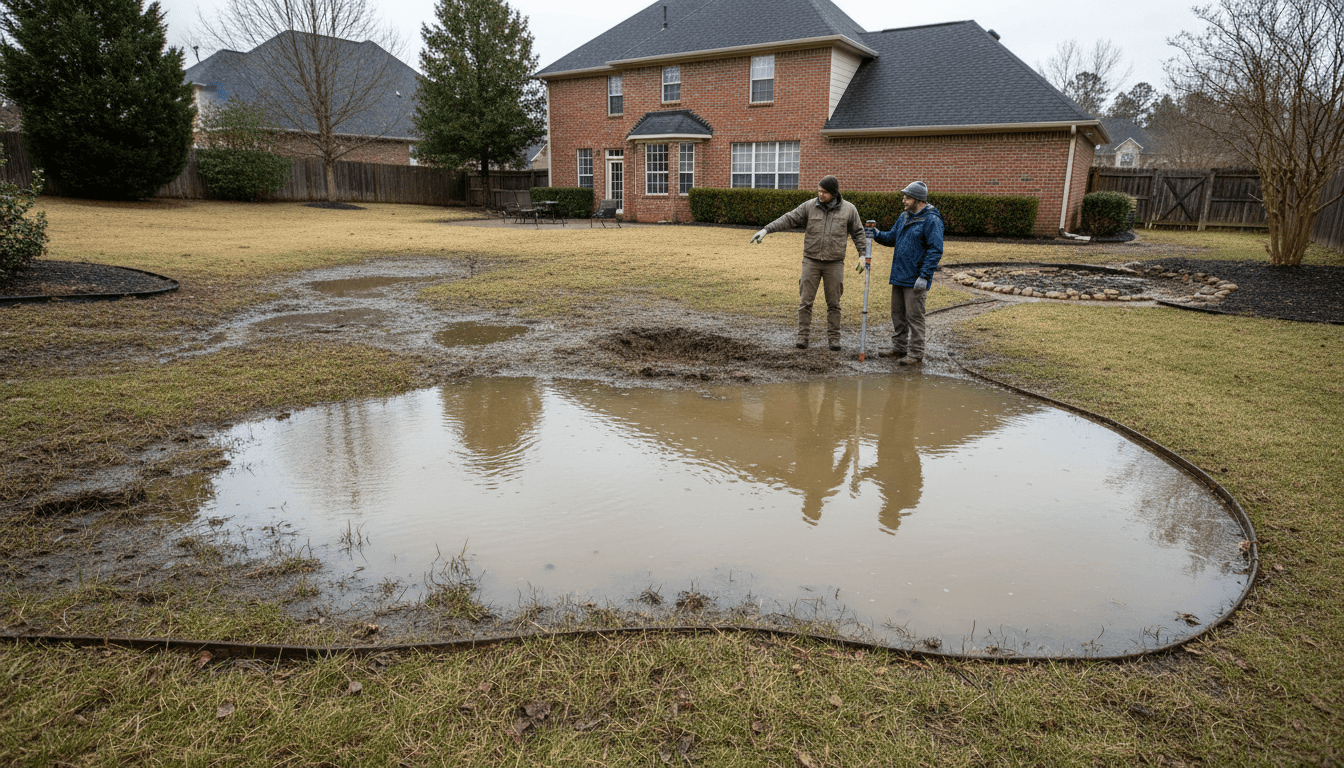

To succeed at watering lawn Gallatin TN fescue clay soil, apply 1 to 2 inches of water per week through two deep sessions that penetrate the dense ground. Watering in the early morning allows moisture to reach the root zone before the heat of the day, which keeps cool-season fescue healthy and prevents evaporation. This infrequent schedule is essential for managing heavy clay soil while maintaining a lush green landscape.
Keeping a lush fescue lawn in Gallatin feels like a constant battle against Middle Tennessee's heavy clay soil. You likely find that your grass remains thirsty even after a long watering session; this happens because our dense clay often repels water before it can reach the root zone. When your lawn is parched, it loses its vibrant green color and becomes vulnerable to the summer heat. Understanding the delicate relationship between fescue and local soil conditions is the only way to ensure your landscape investment survives the season. In this guide, we will explore the precise timing your grass needs to thrive. We will also introduce the cycle and soak method to prevent runoff; additionally, we will show you how to measure your irrigation output to keep your lawn healthy well into October.
The Gallatin Watering Challenge: Why Fescue and Clay Soil are a Tricky Pair

Maintaining a lush, green yard in Sumner County requires more than just a mower and a bit of luck. Most properties in our area rely on Tall Fescue, a cool-season grass that thrives in temperatures between 60 and 75 degrees. This biological preference makes Gallatin’s 90-plus degree summers its primary adversary. When the heat spikes, Fescue does not just get thirsty; it struggles to survive.
The difficulty is compounded by the heavy clay soil common throughout Middle Tennessee. This creates a unique paradox for homeowners. Because clay is incredibly dense, it has a very slow infiltration rate, meaning water often runs off the surface and into the gutters before it can soak in. Yet, once water finally penetrates the surface, the clay holds onto that moisture for a long time. This can lead to a situation where the surface feels bone-dry while the roots are actually suffocating in oversaturated soil.
Generic lawn care advice found online often assumes you are working with sandy or loamy soil where drainage is easy. In Gallatin, we have to play by different rules. While the professional team at Clayton’s Lawn & Landscape provides the routine maintenance and precision mowing needed for a sharp look, the homeowner’s role is equally vital. Proper irrigation is your most critical daily contribution to lawn health. Mastering the balance of watering lawn Gallatin TN fescue clay soil is the difference between a resilient landscape and a brown, dormant yard by mid-July.
The Best Time to Water Your Lawn in Middle Tennessee

Timing is the most critical factor when it comes to the health of your grass. In Middle Tennessee, the golden window for irrigation falls between 4:00 AM and 9:00 AM. Starting your sprinklers during these early hours ensures that the water can penetrate the ground before the intense Gallatin sun causes excessive evaporation. It also provides the fescue with a necessary reservoir of hydration to withstand the upcoming afternoon heat.
Watering at night is a common mistake that can be fatal for local lawns. Because of the high humidity levels in Sumner County, grass blades that are soaked at dusk often remain wet for ten hours or more. This prolonged moisture creates a breeding ground for Brown Patch fungus, which is the primary killer of fescue in our region. By watering in the early morning instead, the rising sun ensures the blades dry off quickly, while the roots still get the deep drink they need.
Properly managing the schedule for watering lawn Gallatin TN fescue clay soil is a partnership between the homeowner and the lawn pro. While Clayton’s Lawn & Landscape provides the routine maintenance and precision mowing needed to keep your property looking sharp, setting your irrigation timer for the early morning window is what protects that investment from disease and heat stress.
Mastering the Cycle and Soak Method for Clay Soil
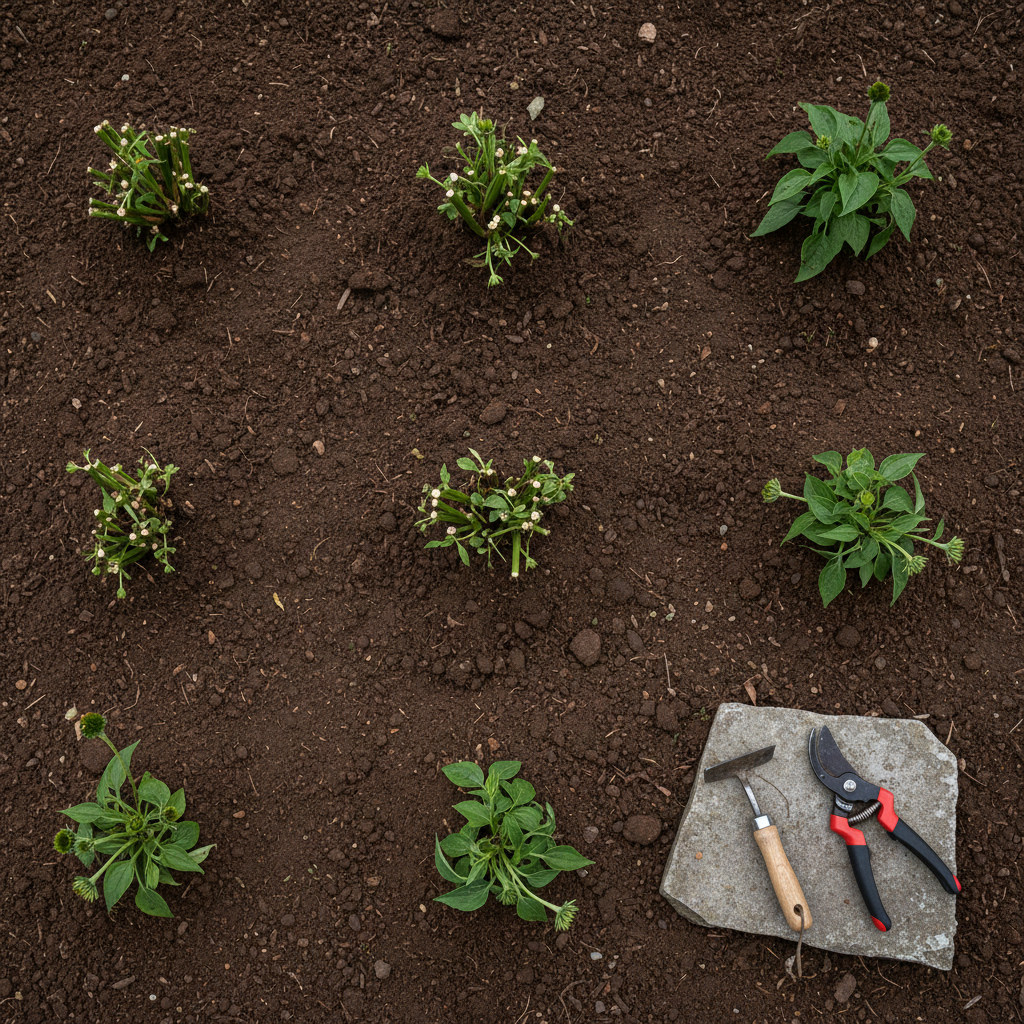
Effective irrigation in Middle Tennessee requires understanding the physical limits of our soil. Clay particles are microscopic and tightly packed, which means they can only absorb moisture at a fraction of the speed of a typical sprinkler's output. To solve this, we recommend the Cycle and Soak method. This technique prevents runoff and ensures your investment in residential lawn care services pays off with a deep, healthy root system.
Instead of watering a single zone for a continuous block of time, break the session into multiple short cycles. A practical schedule for watering lawn Gallatin TN fescue clay soil involves running your sprinklers for just 10 to 12 minutes per zone. After the first cycle, turn the system off for 30 to 60 minutes. This soak period allows the clay to breathe and pull the moisture down through the soil profile via capillary action. Once the surface has had time to absorb the initial pass, run a second 10 to 12 minute cycle.
This staggered approach is the only way to get moisture to penetrate the six inch depth required for resilient fescue roots. If you run a sprinkler for 30 minutes straight, at least 20 minutes of that water likely runs off into the Gallatin gutters because the soil simply cannot take it in fast enough. If you apply too much water at once, the soil surface becomes sealed and the moisture never reaches the root zone.
By using the Cycle and Soak method, you encourage the grass roots to grow deeper into the cooler, more stable clay layers. This deep root structure is exactly what allows your lawn to survive a Tennessee heatwave without thinning out. While routine maintenance keeps the top of the grass looking sharp, this technical approach to watering ensures the foundation of your lawn remains strong throughout the most demanding months of the year.
How Much Water Does a Gallatin Fescue Lawn Actually Need?
Once you have mastered the technique of breaking up your irrigation cycles, you must determine the total volume required for your property. While standard lawn advice often suggests one inch of water per week, fescue in Middle Tennessee requires a more aggressive approach during the summer months. To prevent dormancy and maintain color in the peak of a Gallatin July, your lawn typically needs 1.5 to 2 inches of water per week.
Achieving this volume through daily shallow watering is a common mistake. Applying a light mist every morning only hydrates the top inch of the soil profile. This forces the fescue roots to remain near the surface, where they are vulnerable to the blistering heat of the clay surface. If you are paying for professional residential lawn care services, you want a lawn that is resilient, not fragile.
Instead of watering every day, focus on two or three deep watering days per week. Providing a larger volume of water less frequently encourages the roots to grow deeper into the clay, where temperatures are cooler and moisture is more stable. This deep root system is the primary defense against heat stress. While routine maintenance keeps the blades looking sharp, this specific strategy for watering lawn Gallatin TN fescue clay soil ensures the grass has the structural strength to thrive until the cooler autumn temperatures return.
How to Measure Your Output Using the Tuna Can Test
Translating a goal of two inches per week into a specific timer setting requires knowing exactly how much water your sprinklers put out. Water pressure and head types vary significantly across Gallatin neighborhoods, so a generic 20 minute setting might deliver too much or too little. The most reliable way to calibrate your watering lawn Gallatin TN fescue clay soil routine is the tuna can test.
Place four to six empty tuna or cat food cans at various distances from your sprinkler heads within a single zone. Run that zone for exactly 20 minutes. Afterward, measure the water depth in each can with a ruler and average the results. If you find an average of a half inch, you know that 40 minutes of total run time delivers one inch of water. This data allows you to plan your three weekly deep-watering sessions with precision. Understanding your system's output ensures the residential lawn care services you invest in are backed by the exact hydration levels required for fescue to stay green in our clay soil. This simple, low cost measurement prevents the guesswork that often leads to either wasted water or a thirsty lawn.
Identifying Signs of Drought Stress vs Overwatering in Fescue

Calibration is essential, but even a perfectly timed system needs a human eye to monitor how the grass responds to fluctuating Sumner County temperatures. One of the most common anxieties for homeowners is distinguishing between a lawn that is dying and one that is simply thirsty. When tall fescue begins to experience drought stress, its appearance changes significantly. The grass will shift from its characteristic deep green to a duller, bluish-gray or smoky tint. If you look closely at the blades, you will notice them curling or folding inward as the plant attempts to conserve moisture.
The most reliable diagnostic tool for thirst is the footprint test. Walk across a section of your lawn; if the grass blades remain flat rather than springing back, the plant has lost its internal turgor pressure. This is a clear signal that your watering lawn Gallatin TN fescue clay soil routine needs an immediate adjustment.
Conversely, overwatering in our heavy clay soil creates an entirely different set of problems. Because clay holds moisture so efficiently, it is easy to accidentally drown the root system. If the ground feels squishy underfoot hours after watering, or if the soil emits a sour, stagnant smell, the lawn is likely suffering from a lack of oxygen. Overwatered fescue often turns yellow rather than brown. In the intense Gallatin heat, this excess moisture creates a literal pressure cooker for the roots, leading to root rot and inviting the fungal outbreaks that Clayton’s Lawn & Landscape helps prevent through routine maintenance and proper mowing heights. Understanding these visual cues allows you to pivot your irrigation strategy before permanent damage occurs.
Should You Still Water Your Lawn in October?
Many homeowners assume the cooling temperatures of a Tennessee autumn mean the irrigation season has ended. In reality, October is the most critical month for the longevity of your yard because it is the prime window for core aeration and overseeding in Sumner County. During this phase, your strategy for watering lawn Gallatin TN fescue clay soil must completely reverse. While summer focused on deep, infrequent soakings to reach the roots, new fescue seed requires constant surface moisture to germinate.
You should transition to light, daily watering sessions, often five to ten minutes per zone, to keep the seed bed from drying out. This frequent schedule prevents the tender new seeds from desicating before they can take root in the heavy clay. Once the new grass reaches approximately two or three inches in height, you can slowly scale back to a more standard schedule. If you are coordinating fall routine maintenance or planning a full renovation, contact Clayton's Lawn & Landscape to ensure your watering schedule aligns perfectly with your lawn’s establishment needs.
Maintaining a healthy lawn in Gallatin requires finding the right balance between deep watering and allowing our heavy clay soil to drain properly. By following these simple steps, you can help your fescue survive the summer heat and build a stronger root system. If you want expert help managing your yard or setting up a professional maintenance plan, we are happy to assist. You can view our services to see how we can help keep your landscape looking its absolute best throughout every season.