Effective Tennessee summer lawn care requires applying 1 to 1.5 inches of water per week through deep sessions and raising mower heights to shade the soil. Homeowners should prioritize soil health over heavy fertilization during heatwaves to encourage deep root growth and prevent moisture loss.
Watching your lush, green fescue turn brittle and brown under the relentless Gallatin sun is a frustration every Middle Tennessee homeowner knows too well. Between the suffocating humidity and the scorching July heat, your lawn is constantly fighting for survival against elements that seem determined to destroy it. Maintaining a healthy landscape in this region requires a strategic approach that goes beyond basic maintenance; it demands local expertise and proactive care. In this survival guide, we will explore the professional techniques necessary to keep your grass thriving through the peak of summer. You will learn how to identify early signs of heat stress, establish a precise watering schedule, and implement the critical 150 rule for safe fertilization. We also provide expert advice on adjusting your mowing height and managing the fungal pressures that thrive in our local climate.
The Challenges of Middle Tennessee Summers for Local Lawns
Summer in Gallatin and throughout Sumner County presents a unique set of obstacles for property owners. Because Middle Tennessee sits firmly in the transition zone, local landscapes often feature a mix of cool-season grasses like Tall Fescue and warm-season varieties like Bermuda. This creates a difficult balancing act. While Bermuda thrives in the heat, the intense humidity and consecutive 90 plus degree days common in July and August can push even the heartiest lawns to their limit.
For Tall Fescue, the focus of Tennessee summer lawn care is rarely about encouraging rapid growth; it is about pure survival and stress management. When the air feels thick and the sun is relentless, the goal shifts from achieving a manicured, deep green to protecting the plant from heat exhaustion. Our local heavy clay soil often complicates things, as it can bake into a brick-like consistency under the sun, trapping heat and starving roots of oxygen.
Successful professional mowing and maintenance during this window requires a strategic shift in perspective. Instead of forcing the lawn to perform, we must focus on protecting the crown of the grass and maintaining soil moisture. This foundation is essential for ensuring your property remains resilient until the cooler autumn air finally arrives.
How to Identify Heat Stress Before Your Grass Dies
Monitoring your lawn daily is the only way to catch heat stress before it results in permanent damage. One of the most reliable diagnostic tools is the footprint test. On a healthy lawn, the grass blades spring back immediately after you walk across them. When the plant is under moisture stress, it loses turgor pressure, causing the grass to remain flat. If you can see a clear trail of your footsteps ten minutes after walking to your mailbox, your lawn is telling you it is thirsty.
Visual color changes often precede total browning. Look for a shift from a vibrant, deep green to a dull, bluish gray or silver tint. This change often occurs in patches where the soil is shallow or near hot pavement. During peak heat, you may also notice individual grass blades beginning to fold or curl inward. This is a physiological defense mechanism designed to reduce the surface area exposed to the sun and conserve internal moisture.
It is vital to distinguish these early warning signs of stress from true summer dormancy. In the context of Tennessee summer lawn care, dormancy is a survival state where the grass turns completely brown to protect the crown at the soil level. While stressed grass needs immediate deep watering, a dormant lawn is simply resting. Homeowners often make the mistake of over-irrigating dormant grass in a frantic attempt to turn it green again, which can lead to root rot in our heavy clay. Catching the bluish gray phase allows you to intervene with professional mowing and maintenance adjustments before the plant is forced into that brown, dormant state.
The Ultimate Tennessee Summer Watering Schedule
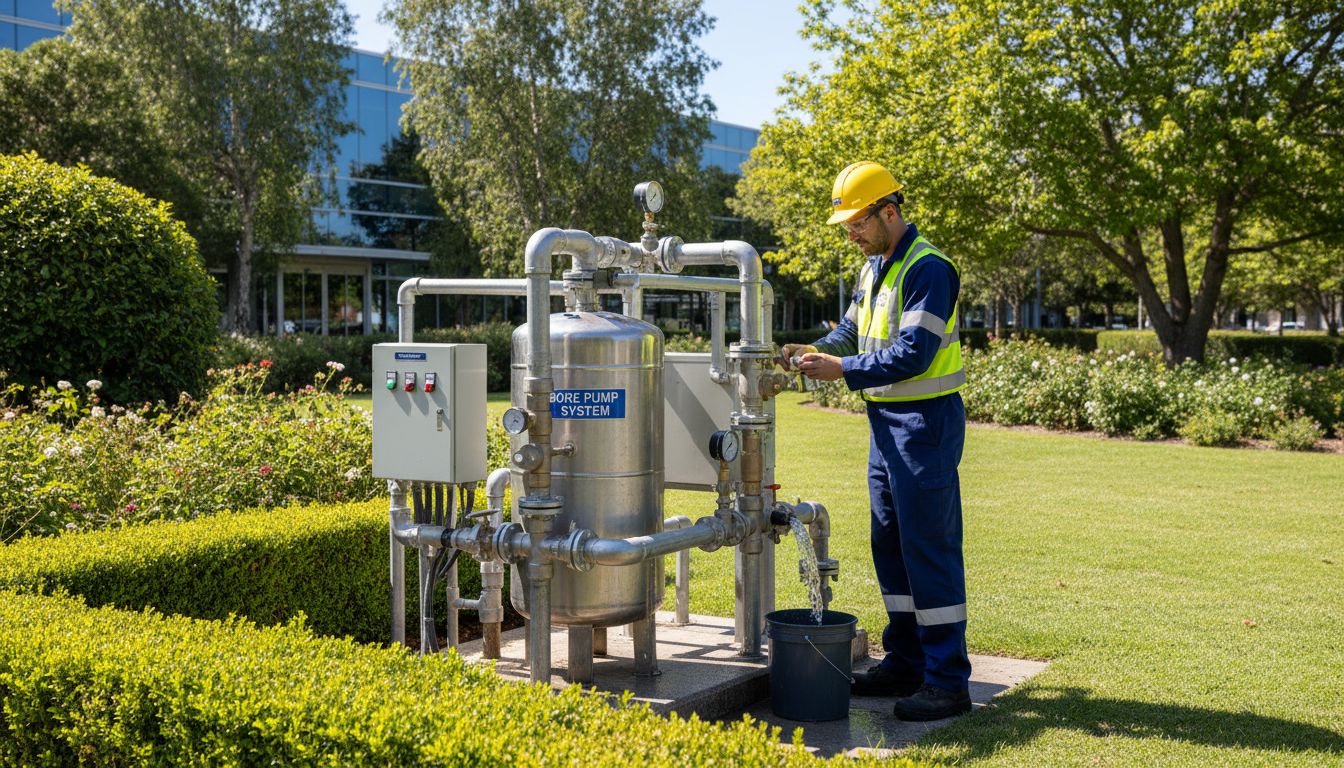
Once you recognize the signs of stress, your immediate priority is establishing a consistent, effective irrigation routine. Successful Tennessee summer lawn care relies on both quantity and timing. For most properties in Gallatin, the standard goal is providing 1 to 1.5 inches of water per week. However, the method of delivery is just as important as the total amount.
Avoid the temptation to mist your lawn for ten or fifteen minutes every evening. Daily light watering is one of the most common mistakes we see. It only dampens the surface, encouraging grass roots to stay near the top of the soil where they are easily scorched by the sun. Instead, break your weekly total into two or three deep watering sessions. This method forces moisture deeper into our heavy Sumner County clay, training the roots to grow downward in search of water. Deep roots are the best defense against a prolonged heatwave.
Timing your watering window is critical for disease prevention. We recommend running your sprinklers between 4 AM and 10 AM. During these early hours, the sun is low enough to prevent excessive evaporation, ensuring the water actually reaches the root zone. More importantly, it allows the grass blades to dry completely during the day. Watering late in the evening or at night leaves the lawn damp for twelve hours or more. When you combine that standing moisture with our typical night-time humidity, you create a perfect breeding ground for fungal pathogens.
Homeowners often ask if a 20-minute cycle is sufficient for their yard. In the dense clay found around Gallatin, 20 minutes rarely provides enough soak time to reach the deeper root system. You can test your system’s actual output by placing a few empty tuna cans around the yard; if it takes 45 minutes to fill them to the half-inch mark, that is your baseline for a single deep session. If the soil is so compacted that water runs off before it soaks in, consider supplementing your routine with professional mowing and maintenance to ensure your grass is kept at a height that shades the ground and slows evaporation.
Adjusting Mowing Heights for the Gallatin Heat
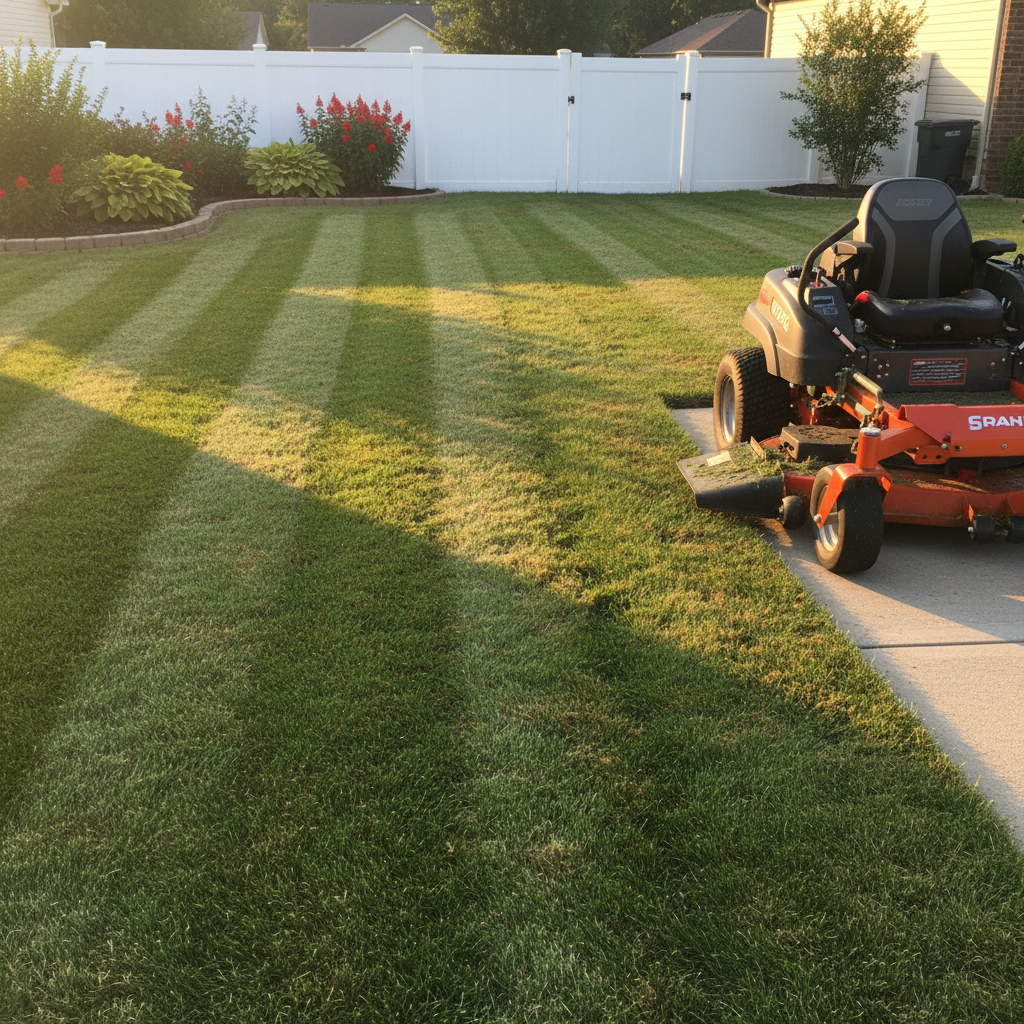
Effective Tennessee summer lawn care depends on more than just the right amount of water; it requires adjusting your mower settings to protect the plant. In Gallatin, raising your mower deck is one of the easiest ways to mitigate heat stress. Longer grass blades act as a natural umbrella for the soil, casting shade that keeps ground temperatures lower and prevents moisture from evaporating too quickly from our heavy clay.
Different grass types in Sumner County require specific heights to stay healthy during July and August:
Tall Fescue: Should be kept between 3.5 and 4 inches.
Bermuda and Zoysia: Can be maintained lower, between 1.5 and 2.5 inches.
Adhering to the 1/3 rule is essential for survival. Never remove more than one third of the total leaf height in a single pass. Cutting deeper than this shocks the plant, forcing it to divert precious energy away from the roots to repair the canopy. If a heat wave is currently peaking or if you see the bluish gray signs of wilting discussed earlier, park the mower. Mowing a stressed lawn can lead to permanent crown damage or track marks that may not recover until the fall. For those who want to ensure their lawn is cut at the correct height with sharp blades, utilizing professional mowing and maintenance can take the guesswork out of summer upkeep.
Fertilizing Safely: Why the 150 Rule Matters
Raising the mower deck provides a physical barrier against the heat, but your fertilization strategy must also shift to avoid accidental damage. In Sumner County, we use the 150 Rule to gauge safety. Simply add the current air temperature to the relative humidity percentage. If the total exceeds 150, your lawn is at extreme risk for fungal outbreaks. For example, a typical July afternoon in Gallatin might hit 92 degrees with 65% humidity, totaling 157. In these conditions, applying high-nitrogen fertilizer is a significant risk.
Nitrogen encourages rapid, lush top growth. During a heatwave, the grass cannot sustain this surge, leading to burned blades or triggering a massive outbreak of Brown Patch. Instead of pushing for growth, effective Tennessee summer lawn care focuses on resilience. We recommend using humic acid or organic soil amendments. These products improve the soil’s ability to hold moisture and nutrients without forcing the grass to work harder than it should. If you want a greener look without the risk of nitrogen, consider a liquid iron application instead. Keeping your soil healthy ensures that when you return to professional mowing and maintenance in the cooler fall months, the root system is intact and ready to thrive.
Managing Summer Humidity, Fungus, and Pests
The high humidity of a Sumner County July does more than just make the air feel heavy; it creates an ideal environment for fungal pathogens. Brown Patch is the most common issue we see in local Tall Fescue lawns. This disease typically appears as circular, brownish-tan areas ranging from a few inches to several feet in diameter. During humid mornings, you might notice a dark, water-soaked "smoke ring" around the edges of these patches, which indicates the fungus is actively spreading.
In addition to disease, pests like Armyworms and Chinch bugs can cause rapid decline. Armyworms are particularly aggressive, often moving across a property in a front and consuming grass blades down to the crown in just a few days. If you notice localized brown spots that persist despite following a strict watering schedule, avoid the urge to simply add more water. Excessive moisture will worsen a fungal outbreak. We recommend professional mowing and maintenance or a dedicated inspection to determine if you are dealing with drought, disease, or a pest infestation before applying any treatments.
Protecting Roots with Mulch and Soil Health
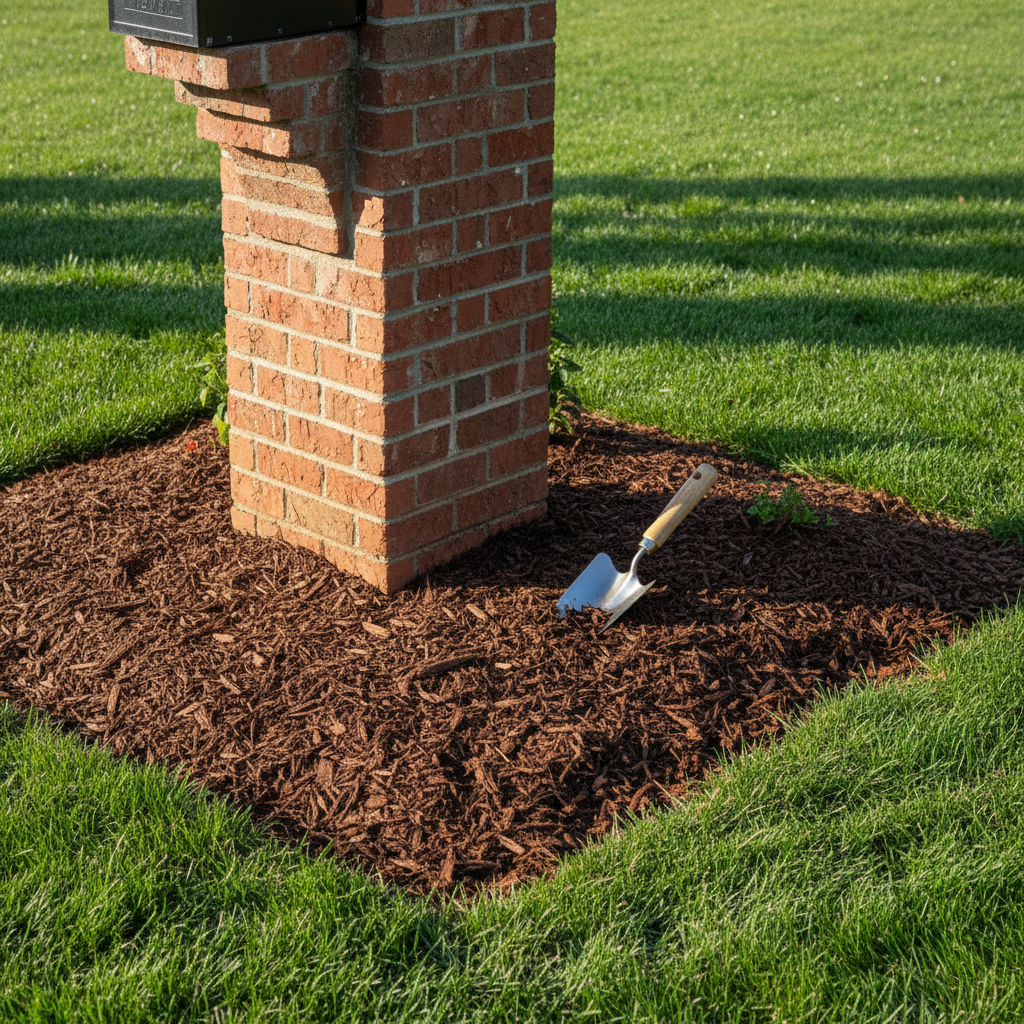
The health of your grass is inseparable from the condition of your surrounding garden beds and tree rings. In the peak of July, exposed soil in flower beds absorbs immense heat, which then radiates outward into the edges of your turf. Applying a fresh layer of mulch is a strategic move for comprehensive Tennessee summer lawn care. High-quality bark or wood chips act as a thermal barrier, preventing the sun from baking the ground and keeping the soil temperatures significantly lower for adjacent grass roots.
While Sumner County clay requires mechanical aeration to relieve compaction, that process is best reserved for the fall. During a heatwave, your focus should remain on moisture retention and soil coverage. Disturbing the soil now can lead to further dehydration. Instead, investing in mulch installation services helps lock in existing moisture. If your beds are thin or the soil is starting to crack, contact Clayton's Lawn & Landscape to help fortify your property against the heat while maintaining your professional mowing and maintenance routine.
Keeping your lawn healthy during a hot Tennessee summer requires consistent watering, proper mowing heights, and regular inspections for pests. By following these steps, you can ensure your Gallatin property stays green even through the most humid months. Maintaining a perfect landscape can be time-consuming; if you want expert help managing your yard this season, we are here for you. You can learn more about our team and our commitment to quality on our About page to see how we help neighbors keep their lawns beautiful.