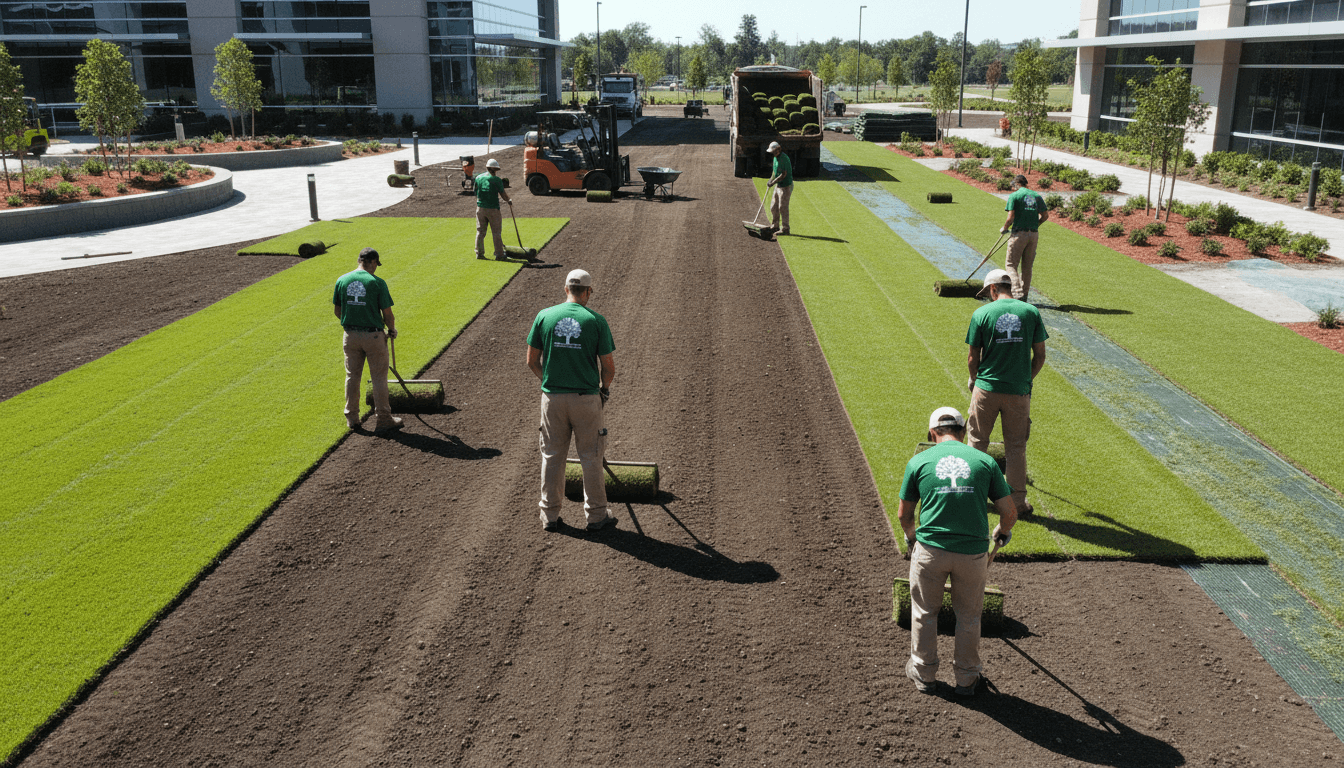

Effective spring lawn care Gallatin TN involves avoiding common mistakes like raking wet soil, aerating too early, and neglecting to test soil pH levels. Homeowners should focus on clearing winter debris, applying pre-emergent herbicides, and using the correct fertilizers to ensure a healthy and vibrant lawn for the summer.
After a long Gallatin winter, it is tempting to rush outside the moment the grass begins to turn green. However, many Middle Tennessee homeowners inadvertently damage their turf before the growing season even truly begins. Our unique local climate and heavy clay soil create specific challenges that generic lawn care advice often ignores. One wrong move with a mower or a bag of fertilizer can lead to thin grass and a summer full of stubborn weeds. At Clayton’s Lawn and Landscape, we believe that a beautiful yard starts with a smart strategy. In this guide, we will highlight seven common mistakes to avoid this season. You will learn why timing is everything for crabgrass prevention, how to handle wet soil without causing compaction, and the essential steps for a professional spring cleanup.
Why Spring Lawn Care in Middle Tennessee is Different
Gallatin sits right in the heart of the Transition Zone, a geographical belt where the winters are too cold for some grasses and the summers are too hot for others. This unique position makes spring lawn care Gallatin TN particularly tricky for homeowners. Most yards in Sumner County feature either Tall Fescue, which thrives in cool air, or warm-season varieties like Bermuda and Zoysia that remain dormant until late spring. Because these grasses have completely different needs during the month of March, following a generic national guide can lead to expensive mistakes.
Timing is everything in Middle Tennessee. Our local weather is notoriously volatile; it is common to see a hard morning frost followed by an 80-degree afternoon. This unpredictability, combined with the heavy red clay soil found throughout our area, creates a difficult environment for root development. Unlike sandy soils that drain quickly, our clay retains moisture and stays cold longer, meaning the ground might still be dormant even when the air feels like summer. At Clayton's Lawn & Landscape, we emphasize that successful professional mowing and maintenance starts with respecting these local conditions. Learning how to navigate these early season shifts is the only way to ensure your turf is prepared for the upcoming humidity. You can read more about Clayton's Lawn & Landscape to see how our local expertise helps neighbors maintain sharp, healthy properties.
Mistake 1: Scalping the Lawn on the First Mow
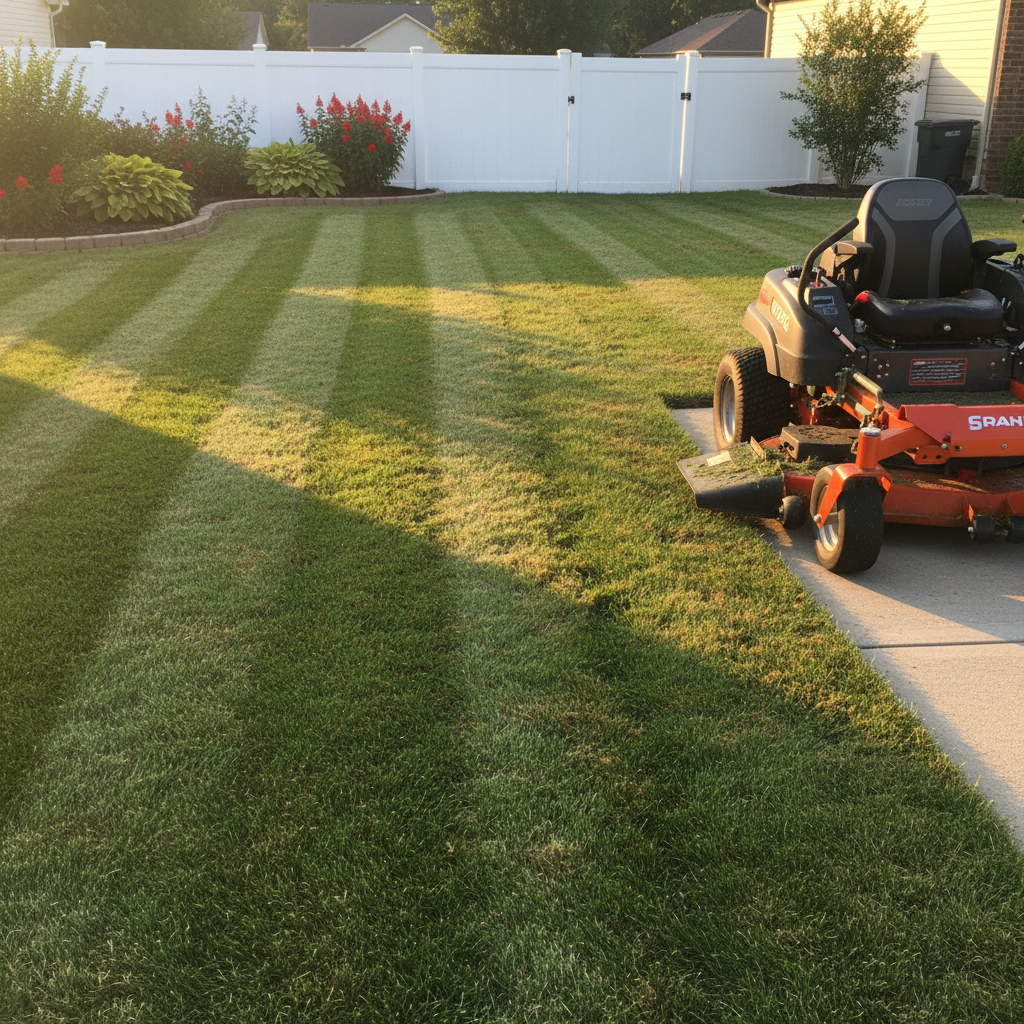
As the ground finally warms and the grass begins to wake up, many homeowners make the mistake of setting their mower blades as low as possible. There is often a desire to clean up the yard by scalping away winter debris and brown tips in one go, but this approach can derail your spring lawn care Gallatin TN plans before they even start. Shaving the lawn too close to the soil shocks the plant, forcing it to use all its stored energy to repair the blades rather than developing the deep root system it needs for a hot Tennessee summer.
For the Tall Fescue lawns common across Gallatin, we recommend maintaining a height of 3 to 4 inches. Following the one third rule is essential; you should never remove more than one third of the grass blade height in a single cutting. When you scalp a lawn, you expose the soil surface to direct sunlight. This warmth acts as a signal for dormant weed seeds to germinate, effectively rolling out the red carpet for crabgrass and clover.
The best time for that first professional mowing and maintenance visit is usually late March or early April, once you see consistent vertical growth. This initial cut should be a light trim that only removes the very tips of the blades. By keeping the grass taller, you provide shade for the soil, keep the roots cool, and ensure the plant stays healthy enough to crowd out invaders naturally. If you need a hand getting your turf on the right track, our team provides dependable lawn care services that prioritize the long term health of your yard.
Mistake 2: Missing the Pre Emergent Timing for Crabgrass

Timing is the most common reason for weed control failure. Many homeowners wait until they see green sprouts in the yard before buying herbicide, but for weeds like crabgrass, that is already too late. Pre-emergent herbicide works by creating a vapor barrier in the upper layer of soil that stops seeds from successfully germinating. If the seed has already sprouted, the barrier is useless. In our part of Middle Tennessee, this window of opportunity is narrow and unforgiving.
To effectively stop crabgrass and Poa annua, you must apply pre-emergent before soil temperatures consistently reach 55 degrees at a four-inch depth. For spring lawn care Gallatin TN, this typically happens between late February and mid March. If you miss this window, you will likely spend the rest of the summer fighting a losing battle against invasive grasses that crowd out your Fescue.
A reliable way to track this without a soil thermometer is to watch the local landscape. When you see the bright yellow forsythia bushes beginning to bloom around Sumner County, it is nature's signal that the soil is warming up and the application window is closing. If you find the timing or application process daunting, hiring dependable lawn care services ensures these treatments are applied at the exact moment they will be most effective for your property's specific needs.
Mistake 3: Compacting Wet Clay Soil with Heavy Equipment
In our part of Sumner County, the heavy red clay is a defining feature of the landscape. While this soil holds nutrients well, it is also prone to severe compaction when it becomes water-logged. Many homeowners are eager to start their spring lawn care Gallatin TN routines as soon as the sun comes out, but using heavy equipment on a soggy lawn in early March does more harm than good. When you drive a mower or walk extensively over saturated clay, you collapse the tiny air pockets within the soil.
This compaction prevents essential oxygen, water, and nutrients from reaching the root system. You might not notice the damage immediately; however, as temperatures rise, the grass will struggle to survive and begin thinning out significantly during the summer. Before beginning professional mowing and maintenance, perform a simple footprint test. If stepping on the grass leaves a deep, muddy indentation that holds water, the ground is too wet. It is better to wait for the soil to firm up than to risk long term damage that requires mechanical aeration to fix. If you are unsure if your yard is ready for traffic, our team provides dependable lawn care services that prioritize protecting your soil structure.
Mistake 4: Overseeding Fescue in the Spring
Many homeowners believe that spring is the ideal time to fill in bare patches, but for the Tall Fescue common in our area, this is often a costly myth. While seed will certainly germinate in the cool, wet weather of a Gallatin March, the young plants face a nearly impossible survival rate. Unlike fall seeding, which provides several months for root development, spring-sown grass only has a few weeks before the intense Tennessee humidity and 90 degree days of July arrive. Without a mature root system to reach deep into the clay for moisture, that new growth often disappears by mid summer.
Beyond the climate risk, there is a strategic trade-off regarding weed management. To get grass seed to grow, you must skip the pre-emergent herbicide application in those specific areas. This creates a perfect opening for crabgrass and foxtail to take over your lawn while the young fescue is still struggling to establish itself. If your spring lawn care Gallatin TN goals include a weed free yard, it is almost always better to wait until September for major overseeding projects. If you have small areas that require immediate attention, dependable lawn care services can help you weigh the pros and cons of patching versus waiting for the fall. Professional guidance ensures you do not waste money on seed that will not survive the upcoming heat.
Mistake 5: Over Fertilizing Too Early in the Season
Another hurdle in spring lawn care Gallatin TN is the temptation to apply heavy fertilizer too early. While a quick green-up looks great, dumping high-nitrogen fertilizer on a lawn in March forces the grass to prioritize lush top growth. This rapid surge happens at the expense of the root system, which is the plant’s lifeline during a dry Tennessee summer. A weak root system simply cannot support excessive foliage once the humidity and heat arrive in June.
For Gallatin lawns, a light, controlled application is always better than a heavy one. Before applying any product, consider a soil test through the Sumner County Extension office. This data ensures you are providing the specific nutrients your yard lacks rather than guessing and wasting money. It is also vital to distinguish between grass types. Tall Fescue can handle a light spring feeding, but dormant warm-season grasses like Bermuda should not be fertilized until they are fully green. Fertilizing dormant grass often feeds the weeds instead of the turf. If you need a precision nutrient plan, dependable lawn care services ensure your yard gets exactly what it needs. At Clayton’s Lawn & Landscape, our professional mowing and maintenance programs focus on building a resilient lawn from the roots up.
Mistake 6: Neglecting Debris and Flower Bed Cleanup
Building a healthy lawn involves more than just nutrients; it requires a clean environment where the grass can breathe. Neglecting a thorough cleanup is a common oversight in spring lawn care Gallatin TN. During the winter, matted leaves and fallen branches often accumulate in the corners of fences or underneath shrubs. These heavy, wet layers trap moisture directly against the turf and soil, creating a prime breeding ground for snow mold and other fungal diseases. Removing this debris early allows sunlight and oxygen to reach the crown of the grass, preventing unsightly brown patches from forming as the weather warms.
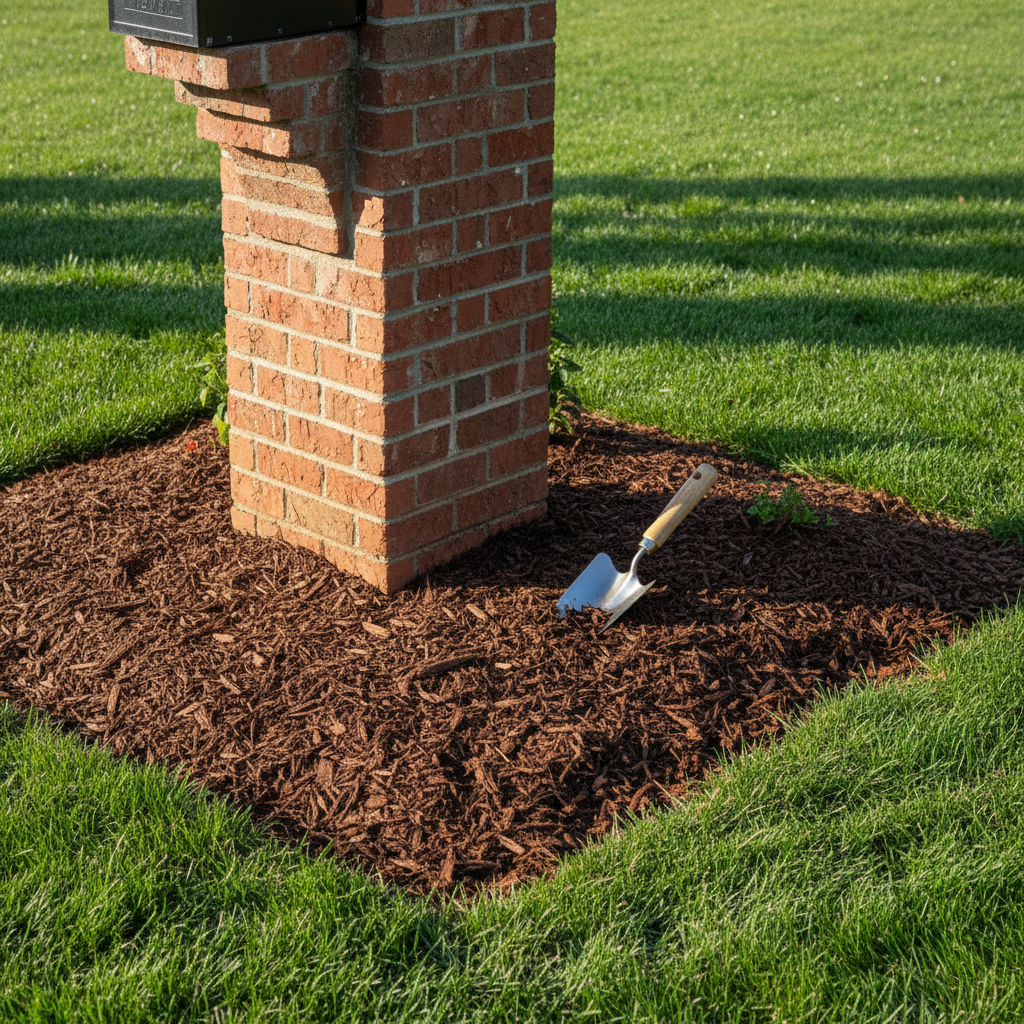
Your flower beds also require preparation before the intense Tennessee humidity arrives. Clearing out old, decayed organic matter and applying a fresh layer of mulch is essential for moisture retention in our local clay soil. Mulch acts as an insulator, keeping the root zones of your ornamental plants cool during July heat spikes. At Clayton’s Lawn & Landscape, we focus on the finishing touches that define a property. Utilizing professional mowing and maintenance to establish clean, sharp bed edges immediately boosts your home's curb appeal and overall value. These small details, which you can learn more about about Clayton's Lawn & Landscape, ensure your property looks professional and stays resilient.
Your Gallatin Spring Lawn Care Checklist
To keep your property in peak condition, use this month-by-month guide tailored specifically for the Sumner County climate. Managing spring lawn care Gallatin TN requires staying ahead of the rapid growth and volatile weather patterns common in our area.
### March: Preparation and Prevention - Apply Pre-Emergent: Get your crabgrass preventer down before forsythia blooms fade or soil hits 55 degrees. - Equipment Maintenance: Sharpen mower blades and change the oil to ensure clean cuts that don't invite disease. - Debris Removal: Clear fallen limbs and matted leaf piles to prevent fungal growth on the waking turf. - Gutter Cleaning: Clear debris from gutters to prevent overflow from damaging your foundation plantings.
### April: Growth and Aesthetics - Initial Mowing: Begin professional mowing and maintenance once the grass reaches five inches, cutting it back to 3.5 or 4 inches. - Mulch Installation: Apply two to three inches of fresh mulch to flower beds to suppress weeds and retain moisture. - Soil Testing: Send samples to the Sumner County Extension office to identify specific nutrient deficiencies.
### May: Transition and Upkeep - Edge Beds: Define the borders between your lawn and landscaping with a sharp, vertical edge. - Weed Spot Treatment: Target any broadleaf weeds that emerged despite your pre-emergent barrier. - Irrigation Check: Inspect hoses or sprinkler heads to ensure even coverage before the June heat arrives. If your schedule is tightening, securing dependable lawn care services now ensures your yard stays manageable all summer.
Caring for your spring lawn in Gallatin requires patience and attention to detail. By avoiding these common mistakes, you can set the foundation for a lush yard that lasts all summer long. However, maintaining a perfect landscape can be time consuming and difficult to manage alone. If you want expert help to ensure your grass receives the professional care it deserves, we are ready to assist. You can learn more about our team and our commitment to providing local homeowners with beautiful, healthy outdoor spaces.