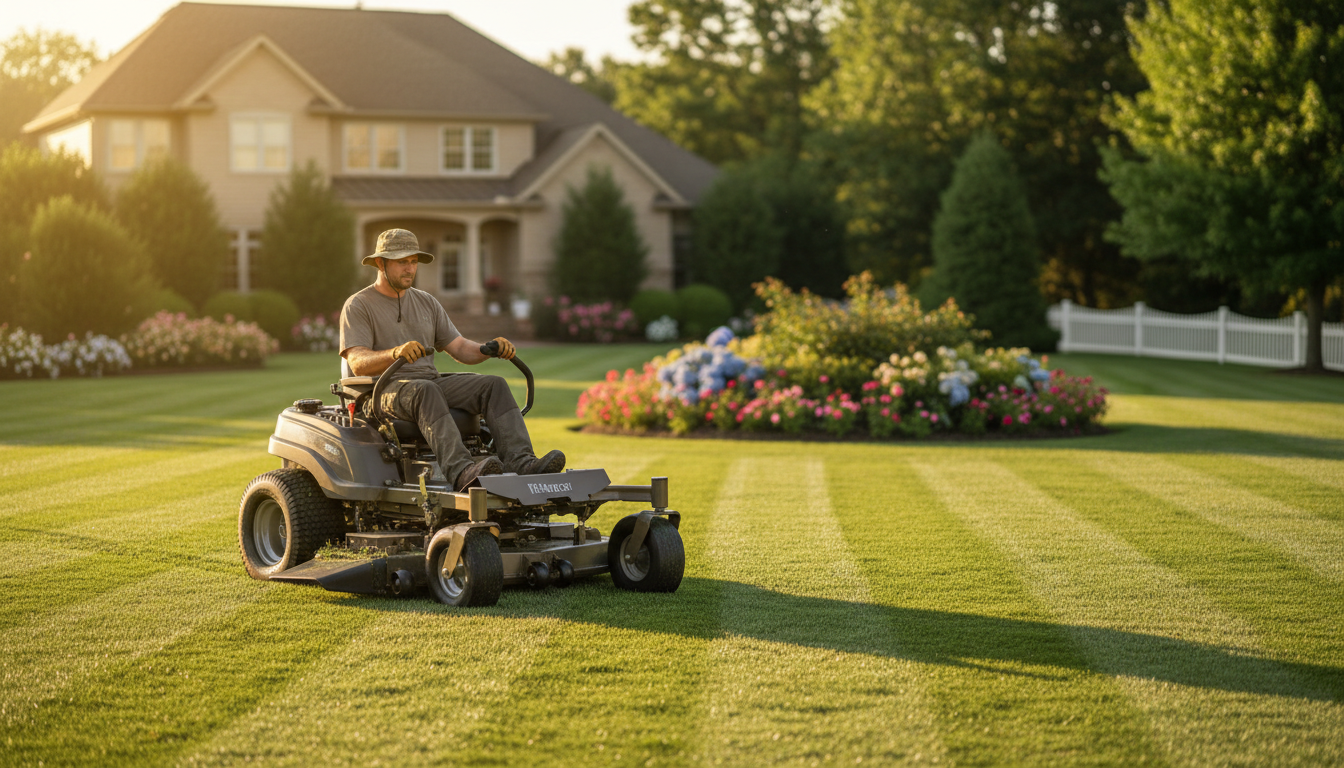
Mulching leaves is generally the best choice for lawn health because it recycles nutrients into the soil; however, removal is necessary if the debris is thick enough to suffocate the grass. When deciding between mulching leaves vs removing leaves Gallatin TN, residents should aim to mulch light layers while raking or blowing away heavy accumulation. This dual strategy maintains soil fertility without risking mold or turf death.
As the maples and oaks begin to turn across Gallatin, many homeowners find themselves staring at a lawn buried in gold and crimson, wondering if their weekend belongs to the rake or the mower. It is a frustrating cycle of labor that often leaves you questioning whether you are actually helping your grass or simply wasting time. In Middle Tennessee, this decision is not just about aesthetics; it is about the long term health of your specific turf type. Whether you are managing a lush Tall Fescue or a dormant Bermuda lawn, the way you handle autumn debris determines how well your yard recovers in the spring. This guide will break down the science of mulching versus the necessity of removal. You will learn how to identify when leaves become a hazard, the benefits of returning nutrients to the soil, and the exact strategy we use at Clayton's Lawn & Landscape to ensure Gallatin properties remain vibrant all year long.
The Great Autumn Debate for Gallatin Homeowners
Autumn in Sumner County is a sight to behold. Our local maples, oaks, and hickories transform the Gallatin landscape into a vibrant display of orange and gold. However, once those leaves hit the ground, the aesthetic appeal quickly turns into a weekend of labor for homeowners. The annual debate over mulching leaves vs removing leaves Gallatin TN becomes a central topic for anyone maintaining a property.
Homeowners generally fall into two camps. Some prefer to clear every leaf for a crisp, clean appearance, while others choose to shred the debris back into the soil to recycle nutrients. While both methods have merit, the choice is rarely a matter of personal preference in Middle Tennessee. Because most yards in our area consist of Tall Fescue, the biology of the grass itself dictates the strategy.
This cool-season variety is in its peak growing phase during the fall months, meaning a blanket of debris can do more than just look messy; it can actively harm the health of your lawn. To protect your investment, understanding the balance between nutrient return and turf suffocation is essential. If you need assistance managing the heavy leaf drop, you can always rely on dependable lawn care services to handle the seasonal transition.
Why Your Tennessee Grass Type Matters
Tall Fescue serves as the backbone of most residential properties in Sumner County. Unlike warm-season grasses like Bermuda or Zoysia, which turn brown and go dormant as soon as the first frost hits, Tall Fescue is a cool-season variety. For our local lawns, autumn isn't a time to shut down; it is the most critical period for recovery and growth. After enduring the intense Middle Tennessee summer heat, Fescue uses the cooler temperatures of September and October to deepen its root system and store energy for the winter.
This biological timeline is exactly why leaving a heavy layer of leaves on the ground is dangerous. While dormant Bermuda grass might tolerate being covered for a short period, active Fescue requires consistent sunlight to photosynthesize. When a solid blanket of maple or oak leaves covers the turf, it creates a dark, damp environment that quickly suffocates the plant. This trapped moisture is a breeding ground for fungal issues. In Gallatin, we frequently see cases of brown patch or crown rot where leaves were allowed to sit too long.
The debate of mulching leaves vs removing leaves Gallatin TN often comes down to this specific moisture management. A thin layer of shredded leaves can provide organic matter, but a thick, matted layer acts like a wet tarp. This blocks air circulation and prevents the soil from drying out after our frequent autumn rains. To keep your turf healthy, refer to a Gallatin yard winter prep checklist to ensure you are timing your cleanup before these diseases take hold. If the volume of debris feels overwhelming, you can contact our professional team to evaluate the best approach for your specific grass type.
The Case for Mulching Leaves into Your Lawn
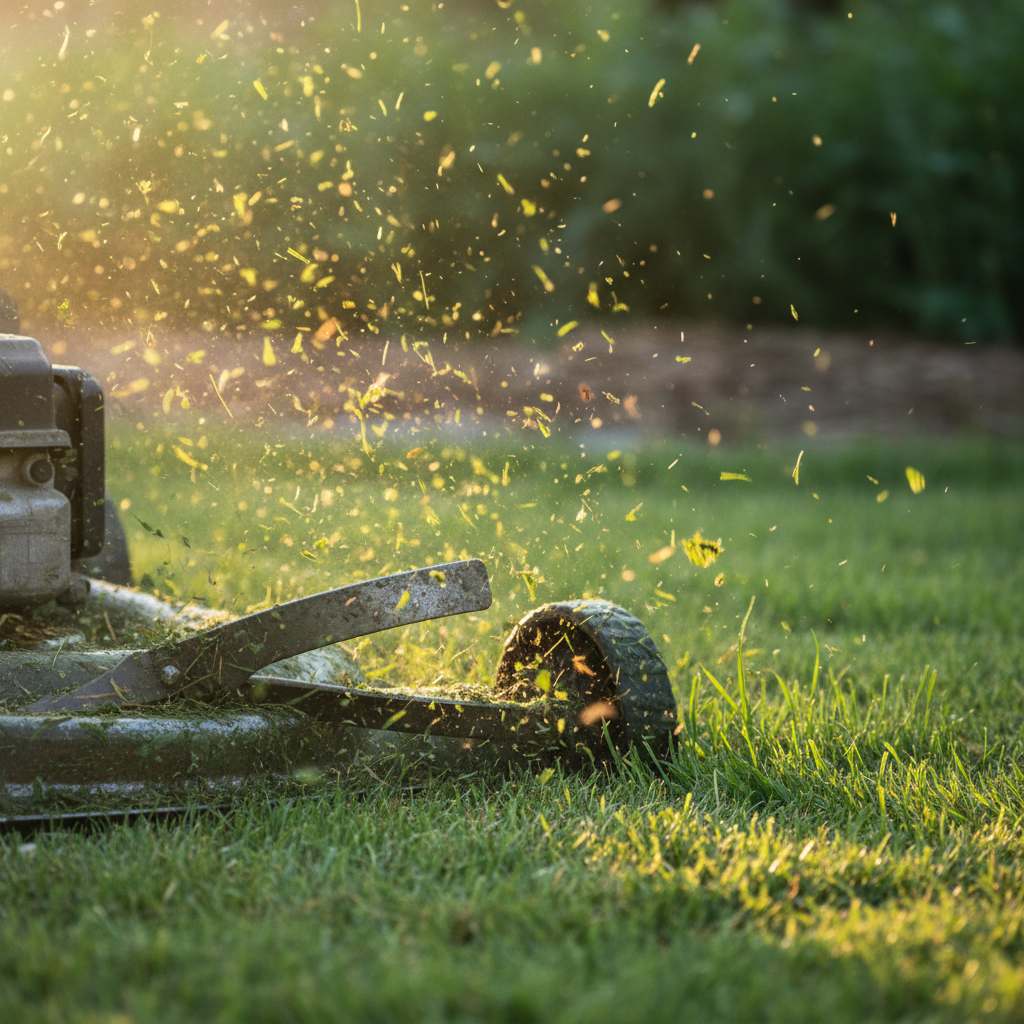
When the leaf drop is manageable, mulching is often the superior choice for the long-term health of your soil. By shredding leaves with a mulching mower, you are essentially providing a free, organic top-dressing for your lawn. These decomposing bits of foliage return vital nutrients, specifically nitrogen, phosphorus, and potassium (NPK), directly to the root zone where your Tall Fescue needs them most. Nitrogen supports the deep green color and leaf growth; phosphorus aids in root development during the cool-season recovery phase; and potassium improves overall stress tolerance against the upcoming winter freezes.
To mulch successfully, you must adhere to the 1/3 rule of mowing. Never set your mower deck so low that you remove more than one third of the grass blade, even when your primary goal is processing leaves. For our local lawns, maintaining a taller height during the fall provides the leaf surface area needed for photosynthesis. If the leaf layer is thin enough that you can still see the green grass blades poking through the shredded debris after one or two passes, you have achieved the ideal balance. This organic matter will filter down to the soil surface and disappear within a few weeks.
A helpful visual guide for Gallatin homeowners is the confetti test. If your lawn looks like it has been lightly dusted with colorful confetti, the nutrients will settle into the thatch layer and break down quickly. However, if the result looks like a thick, brown mulch bed that completely obscures the turf, you have exceeded the lawn's capacity to process the organic matter. In these cases, the mulching leaves vs removing leaves Gallatin TN debate leans toward removal to prevent suffocating the grass. If you find yourself falling behind on the weekly mow required to keep up with the drop, choosing dependable lawn care services can ensure your yard receives the benefits of mulching without the risk of over-saturation.
When Leaf Removal is Non Negotiable
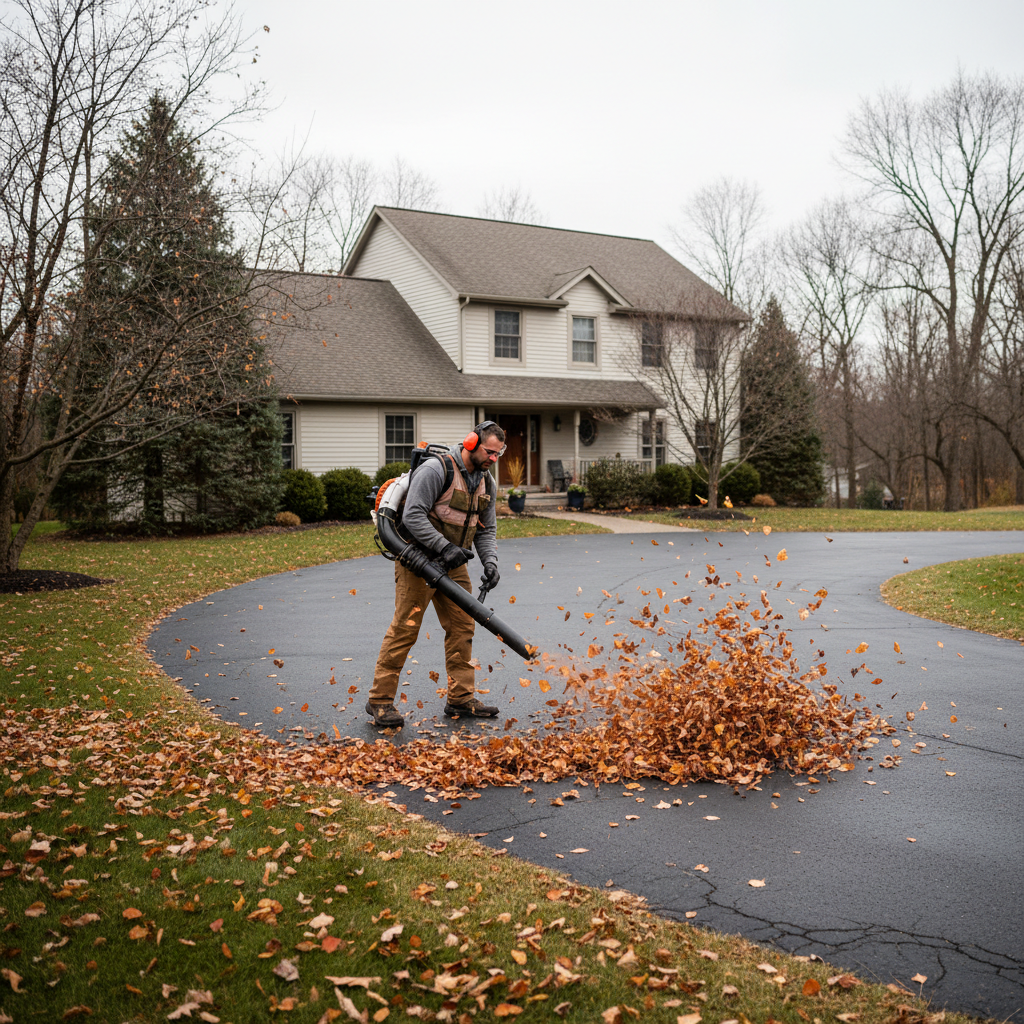
While mulching offers nutrient benefits, it is not a universal solution for every property in Sumner County. Many Gallatin neighborhoods are shaded by mature White and Red Oaks, which present a unique challenge. Oak leaves are significantly tougher and more acidic than maple or poplar foliage. Due to their high tannin content, they resist decomposition and can take months to break down, even when shredded. If left in high volume, these fragments will acidify the soil surface and create a physical barrier that restricts the air exchange necessary for Fescue roots.
The situation becomes critical when leaves are allowed to sit through a Middle Tennessee rainstorm. Wet leaves quickly compress into a thick, matted layer that acts like a waterproof seal over your turf. This layer traps excessive moisture against the grass blades while simultaneously blocking sunlight. This anaerobic environment is the primary cause of crown rot and creates a cozy habitat for winter pests like voles and grubs. Once leaves reach this stage, they no longer contribute to soil health; they act as a suffocating blanket.
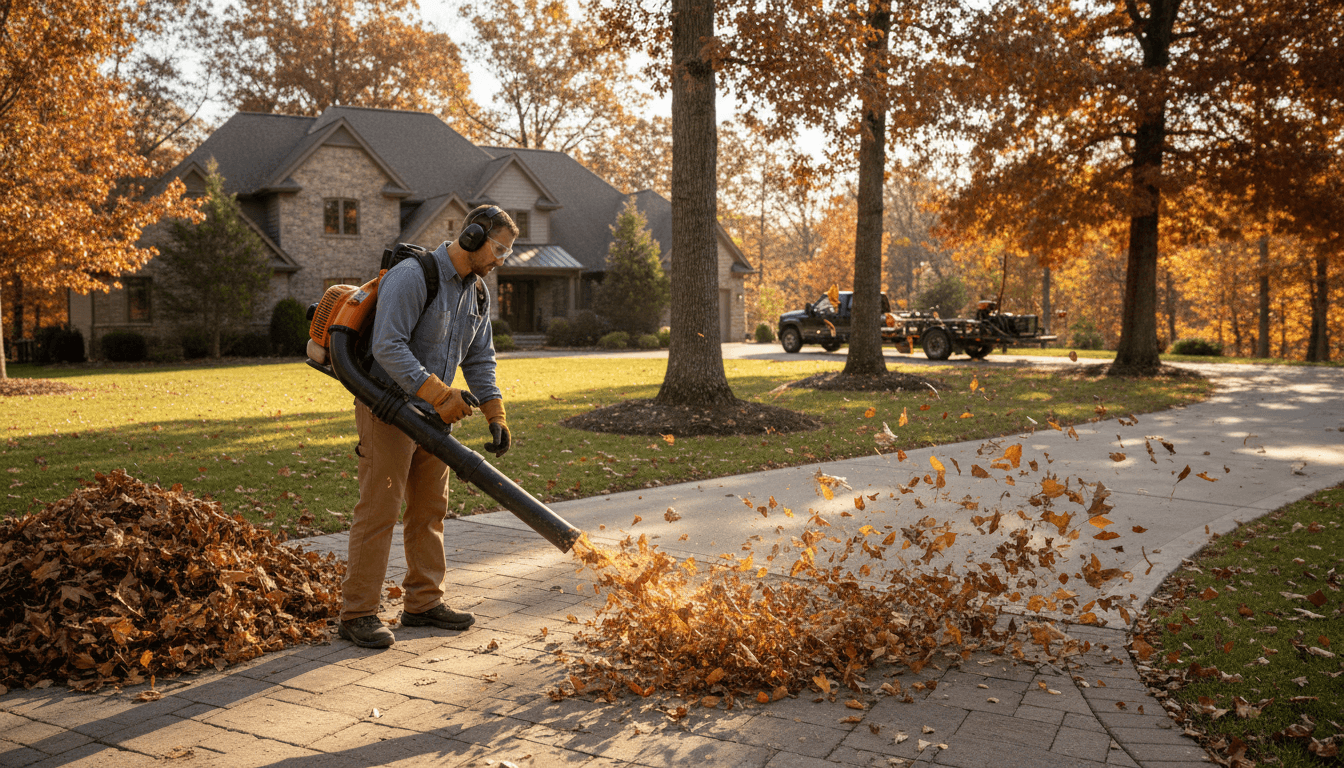
When deciding between mulching leaves vs removing leaves Gallatin TN, homeowners should follow the two-pass rule. If you run your mower over a patch twice and the debris still completely obscures the green blades of your grass, the volume is too high. At this point, mulching is no longer helpful; it is harmful. Continuing to shred such a heavy load will only result in a layer of organic felt that will likely kill your lawn before spring arrives. In these scenarios, complete removal via raking or blowing is the only way to ensure your lawn survives the winter. If the sheer volume of oak or hickory leaves is more than your equipment can handle, you can contact our professional team to clear the property before the first hard freeze.
Mulching vs Removing Leaves: A Gallatin Seasonal Strategy
The seasonal transition in Gallatin requires a tactical shift rather than a one size fits all method. The most effective approach for homeowners in Sumner County is a hybrid strategy that adapts to the volume of debris. During October, the leaf drop is typically light and manageable. This is the ideal window to prioritize mulching. By shredding early fallen leaves, you provide your Tall Fescue with a steady stream of organic nutrients right as it recovers from summer stress.
As we move into late November and December, the strategy must change. In established neighborhoods like Fairvue Plantation or Foxland Harbor, the sheer volume of mature oak and maple canopies makes mulching impossible to sustain. Once the heavy drop begins, the amount of organic matter quickly exceeds what the soil can process. Switching to full removal during these months is essential to keep the turf visible and breathing. Total removal ensures that the grass receives whatever limited sunlight is available during the shorter days of late autumn.
Failing to clear the lawn before the first true winter freeze can lead to long term damage. When heavy piles of leaves remain on the grass throughout the winter, they trap moisture and block airflow. This creates a prime environment for snow mold, a fungal disease that can devastate Middle Tennessee fescue lawns before spring even arrives. A clean lawn allows the grass to stay dry and dormant without the risk of rot. If your property is heavily wooded and the seasonal transition feels like a losing battle, you can contact our professional team to implement a removal plan that protects your turf. Following a Gallatin yard winter prep checklist ensures you time these transitions perfectly to maintain a sharp, healthy outdoor space.
Common Mistakes in Fall Leaf Management
Many Sumner County homeowners make the mistake of waiting until the final leaf has fallen before starting their cleanup. This "one and done" approach often proves fatal for Tall Fescue. If leaves sit on the turf for three or four weeks while you wait for the trees to be bare, the grass underneath has already begun to thin or die from lack of sunlight. Raking is essentially pointless if the turf is already smothered and the damage is done. Regular intervals are necessary to balance mulching leaves vs removing leaves Gallatin TN effectively.
Another frequent error involves blowing whole leaves into mulch beds or around the base of trees. While it might look like you are recycling nutrients, a thick layer of un-shredded leaves traps excessive moisture against the stems of perennials and shrubs. This creates an environment ripe for crown rot and fungal pathogens. True mulching requires shredding the material into fine bits; simply moving the problem from the lawn to the flower bed is not a viable solution.
Finally, pay close attention to hardscapes. Allowing leaves to accumulate and rot on driveways or sidewalks can cause permanent staining and creates a slippery hazard. Maintaining clean, crisp edges along your property's borders is a hallmark of professional care. If your schedule makes it difficult to keep up with the weekly demands of the season, our dependable lawn care services can help you stay ahead of the drop. You can also consult our Gallatin yard winter prep checklist to ensure you are not missing critical steps. For a complete property clearing, contact our professional team to restore that sharp, reliable look.
Frequently Asked Questions About Fall Cleanup
### Is it better to rake or mulch leaves? The best approach for mulching leaves vs removing leaves Gallatin TN properties depends entirely on the volume of debris. If you have light coverage that can be finely shredded to disappear into the turf, mulching provides excellent nutrients. However, for properties with heavy oak or maple canopies, total removal is necessary to prevent suffocating the grass during the late season drop.
### Will leaves eventually decompose over the winter? While leaves do eventually decompose, the process takes much longer than the survival window for your grass. In Middle Tennessee, a thick mat of leaves will trap moisture and block sunlight, killing the Tall Fescue underneath within weeks. This often leads to snow mold or crown rot long before the organic matter breaks back down into the soil.
### Does mulching leaves kill grass? Mulching only kills grass if the shredded layer is too thick. If you cannot see the green blades of your lawn through the debris after mowing, the layer is excessive. This creates a physical barrier that prevents air exchange and sunlight from reaching the root zone. If you are unsure if your leaf volume is safe for mulching, you can contact our professional team for an assessment. Keeping up with the drop via dependable lawn care services ensures your soil stays healthy without risking turf death.
Whether you choose to mulch for the extra nutrients or remove leaves to keep your turf clear, the best strategy depends on your specific yard and the time you have available. Keeping a Gallatin lawn in top shape requires a balance of proper timing and the right equipment. If you would prefer to have an expert team manage these seasonal tasks for you, we invite you to view our Services. We are happy to help ensure your landscape remains healthy and beautiful without any added stress.