To learn how to fix bare spots in fescue lawn, start by clearing debris and loosening the top few inches of soil to ensure proper seed-to-soil contact. Apply a high quality fescue seed mix followed by a thin layer of compost; then, water the area daily until the new grass reaches mowing height. Since fescue is a bunching grass that does not spread naturally, proactive overseeding is the most effective way to restore a lush and uniform appearance.
Nothing disrupts the curb appeal of a Gallatin home quite like the sight of thinning, brown patches in a Tall Fescue lawn. These bare spots are more than just a cosmetic frustration; they represent a vulnerability in your landscape that allows weeds to invade and heavy Sumner County clay to compact further. Because Fescue is a bunching grass that does not spread through runners, these gaps will not heal themselves without a strategic intervention. Achieving a seamless repair requires a deep understanding of our local transition zone climate and the specific requirements of heavy clay soil. In this guide, we provide a professional blueprint for diagnosing the cause of your lawn’s decline and executing a precise repair strategy. You will learn how to prepare the soil, select the right seed cultivars, and implement a watering schedule that ensures long term success for your landscape.
The Challenge of Fescue in Sumner County Clay Soil
Sumner County homeowners know the frustration of looking out at a patchy lawn after a long August. In Gallatin and Hendersonville, we are not dealing with the easy, sandy soil often described in generic national lawn care guides. Instead, our properties are built on heavy, dense Tennessee clay. This specific soil type creates a unique set of hurdles for anyone learning how to fix bare spots in fescue lawn, as the ground behaves differently than it does in other regions.
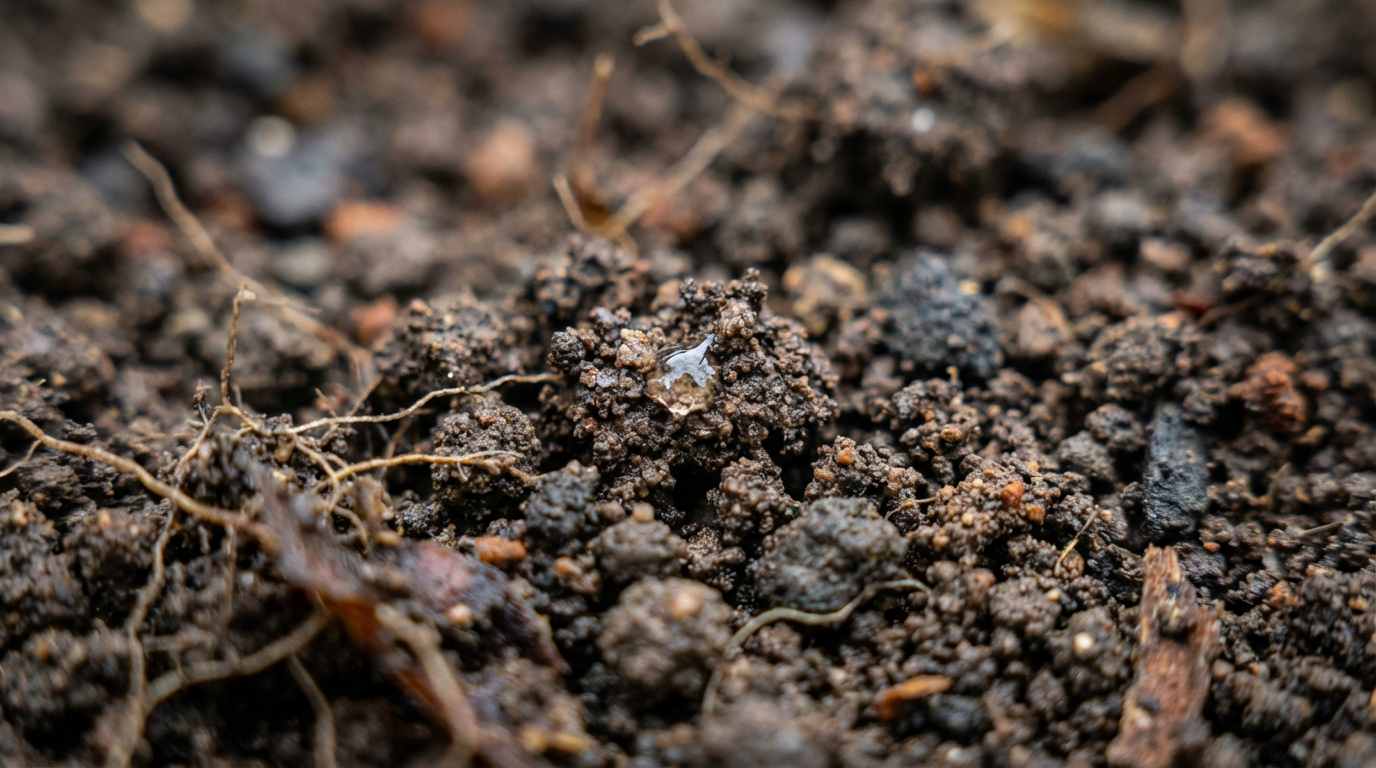
Clay soil behaves like a sponge during our wet winters, trapping moisture and becoming easily compacted by foot traffic. When the intense Middle Tennessee heat hits in July and August, that same soil bakes into a hard brick. This cycle of saturation followed by extreme solidification suffocates fescue roots, leading to the thinning and bare patches we see every autumn. Unlike sandy soil that allows for quick drainage and easy root penetration, our local clay requires a more aggressive approach to repair.
You cannot simply toss seed onto the sun-baked surface and expect results. The ground is often too hard for new roots to take hold without professional aeration and overseeding or significant manual soil preparation. Understanding this local soil dynamic is the essential first step toward better fall lawn care in Tennessee and ensuring your turf survives the next seasonal shift.
Will Fescue Spread to Bare Spots on Its Own?
Homeowners in Sumner County often ask if they can simply wait for their grass to fill back in naturally. The short, honest answer is no. Understanding the biology of Tall Fescue is critical when learning how to fix bare spots in fescue lawn. Unlike Bermuda or Zoysia grasses, which spread through horizontal stems called stolons and rhizomes, Tall Fescue is a bunch-type grass. It grows from a single crown and remains in a tight, localized clump.
If a patch of your lawn dies, the surrounding grass will not move into that empty space. That bare dirt will instead stay empty or, more likely, become prime real estate for opportunistic weeds like crabgrass or dandelions. Relying on the grass to repair itself is a common mistake that leads to a thinner lawn every year. To restore a thick, uniform carpet, you must manually introduce new seed to the area. This biological reality is why professional aeration and overseeding is the most effective component of fall lawn care in Tennessee.
Diagnosing the Cause: Why is My Lawn Thin and Patchy?
Identifying why your turf failed is a prerequisite for a successful repair. In our region, the most aggressive culprit is often Brown Patch fungus. This disease thrives during the humid nights of a Middle Tennessee summer, leaving behind circular, tan patches that can devastate an otherwise healthy lawn. If the grass looks like it was suddenly scorched in a ring pattern, fungus is the likely suspect.
Soil compaction is equally common in Gallatin. Our heavy clay, combined with foot traffic from pets or children, creates a surface so dense that water and oxygen cannot reach the root zone. This results in thinning grass that eventually gives way to bare dirt. Furthermore, many Sumner County properties have uneven terrain. When a mower blade hits a high spot, it scalps the grass by cutting it down to the soil and killing the crown, which prevents regrowth.
Use this checklist to identify your specific issue:
Brown Patch: Circular patches with a dark, water-soaked edge appearing during humid weather.
Compaction: Soil is hard to the touch; water beads on the surface rather than soaking in.
Mower Scalp: Thinning or bare spots appear primarily on ridges or slopes immediately after mowing.
Pet Urine: Small, distinct yellow spots often surrounded by a ring of dark green, lush grass.
Drought Stress: Grass turns a grayish-blue tint and leaves curl before the patch turns completely brown.
Understanding these causes helps you decide if you need to adjust watering your Gallatin lawn or invest in professional aeration and overseeding to reset the soil structure. Identifying the source ensures your fall lawn care in Tennessee efforts actually last through the next season.
Step 1: Soil Preparation for Heavy Clay
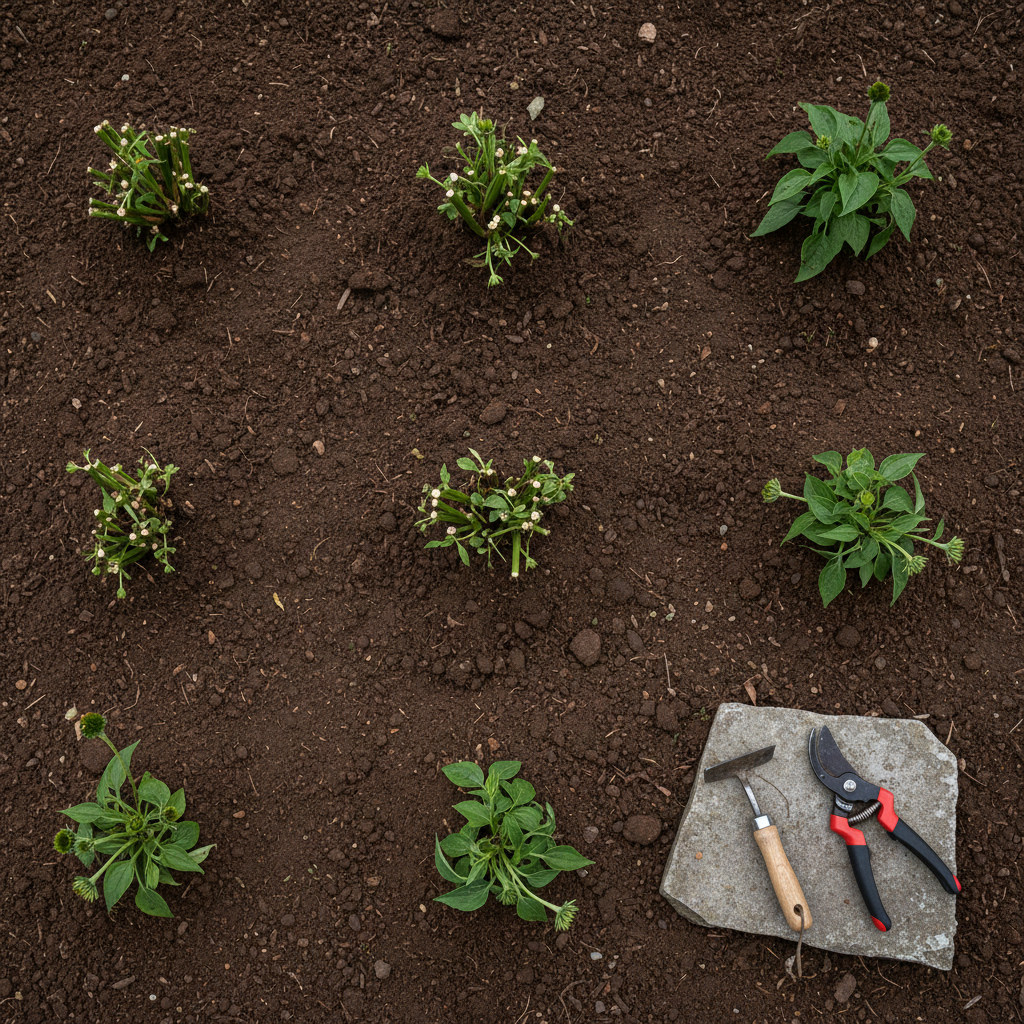
Once you have diagnosed the culprit, the physical work of restoration begins. In the Gallatin area, simply scratching the surface with a leaf rake is rarely enough to ensure success. Our heavy Tennessee clay becomes nearly impenetrable once it dries, acting as a physical barrier that prevents delicate new roots from taking hold. If you want to know how to fix bare spots in fescue lawn effectively, you must focus on deep soil preparation rather than surface level grooming.
Begin by removing all dead thatch, weeds, and debris from the patch. This ensures direct seed-to-soil contact, which is the single most important factor for germination. For small spots, use a garden weasel or a handheld core aerator to loosen the ground to a depth of at least two to three inches. If the area is larger or the entire lawn is struggling, professional aeration and overseeding is the most efficient way to break through the compaction. Sun-baked clay is essentially a brick; without creating these channels for air, water, and roots, your new seed will sit on the surface and eventually perish. Proper preparation sets the foundation for all subsequent fall lawn care in Tennessee efforts and determines whether your new grass will survive the next summer.
Step 2: Choosing the Right Seed and Soil Amendments
Loosening the clay is only half the battle. To ensure long-term success when learning how to fix bare spots in fescue lawn, you must provide the new roots with a nutrient-rich environment that resists re-compaction. A frequent question we hear in Gallatin is what the best dirt is to fill in bare spots. For the heavy soils in Sumner County, avoid using standard fill dirt or bagged potting soil. Instead, use a 50/50 blend of high-quality screened topsoil and organic compost. This combination provides the necessary structure while introducing organic matter that helps break down the dense clay over time.
Seed selection is equally critical for our region. Always choose a "Turf Type Tall Fescue" (TTTF) blend specifically rated for the transition zone, which includes our Zone 7 climate. Be wary of cheap "contractor mix" or "quick-fix" bags often found at big-box retailers. These products frequently contain annual ryegrass, which germinates quickly but cannot survive the intense July and August heat, or high percentages of undesirable weed seeds. Investing in professional-grade seed during aeration and overseeding ensures your fall lawn care in Tennessee results in a permanent, hardy turf rather than a temporary green patch.
Step 3: Seeding and Protecting the Patch
Homeowners often ask if they can simply broadcast seed over a patch and walk away. When learning how to fix bare spots in fescue lawn, you must understand that seed sitting on top of the ground is vulnerable. Without proper soil-to-seed contact, your investment will likely wash away during a sudden Sumner County thunderstorm or become a buffet for local birds.
Once your soil is prepped, spread the Turf Type Tall Fescue seed evenly. Use a garden rake to lightly work the seed into the top quarter-inch of the soil. This specific depth provides the necessary protection while allowing the seedlings to reach the surface easily. After raking, apply a light dusting of peat moss or clean straw. This step is critical for fall lawn care in Tennessee because it shields the seed from the sun and helps retain moisture. Aim for a thin layer that still allows bits of soil to peek through; if the covering is too thick, it can trap excessive heat or smother new growth. This manual precision ensures your patch integrates seamlessly with the rest of your lawn during professional aeration and overseeding.
Watering and Maintenance: The Transition Zone Schedule
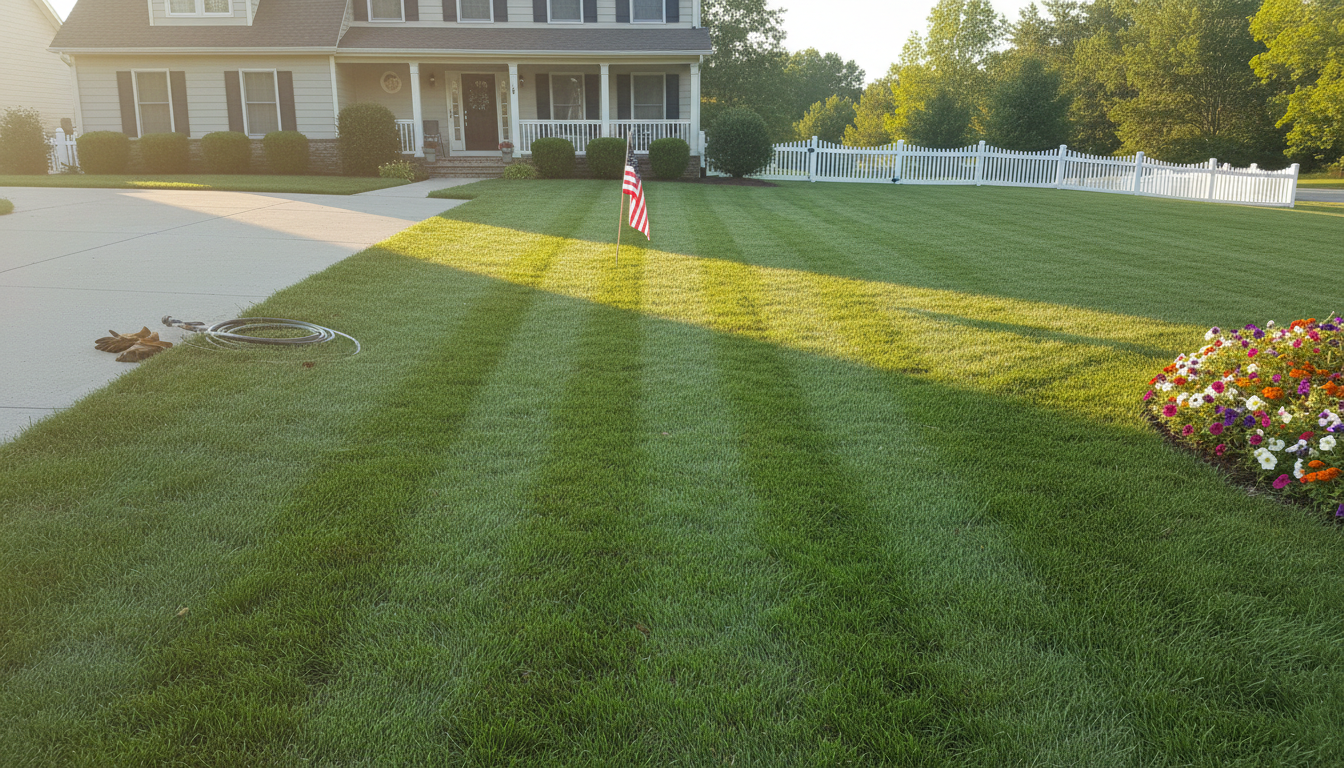
Proper moisture management is the final hurdle in learning how to fix bare spots in fescue lawn. In the Middle Tennessee transition zone, the goal is to keep the seedbed consistently moist without saturating the heavy clay. For the first 10 to 14 days after seeding, follow a schedule of light watering for 5 to 10 minutes, twice a day. This frequency ensures the surface soil does not crust over, which would otherwise trap the new shoots underground.
Once the new grass reaches approximately two inches in height, you must taper your watering your Gallatin lawn routine. Shift to deeper, less frequent applications to encourage the roots to push down through the clay layer. Be vigilant against overwatering; saturated soil combined with our local humidity can trigger Brown Patch fungus, potentially killing the new growth before it matures. Maintaining this balance is a critical part of fall lawn care in Tennessee and ensures the long term success of your aeration and overseeding efforts.
Timing: When is the Best Time to Seed Bare Spots in Gallatin?
While the sight of brown patches in April often triggers a desire to plant immediately, spring is a gamble that rarely pays off in Sumner County. The window for success when learning how to fix bare spots in fescue lawn is narrow because of our local climate. In Hendersonville and Goodlettsville, spring-seeded fescue enters the brutal July and August heat with a shallow, immature root system. As the clay soil bakes into a hard brick, these tender plants wilt and die, leaving you back at square one by September.
Early fall, specifically from early September through mid-October, is the gold standard for fall lawn care in Tennessee. During this window, the warm soil promotes fast germination, while the cooling air reduces moisture stress. This gives the grass two full seasons, fall and spring, to establish deep roots before the following summer.
In Gallatin, your last call for seeding is typically October 15th. Planting any later risks the first frost killing the seedlings before they have matured enough to survive winter dormancy. If you miss this window, your best strategy is to wait and schedule professional aeration and overseeding for the following September to ensure the effort and investment actually yield a permanent result.