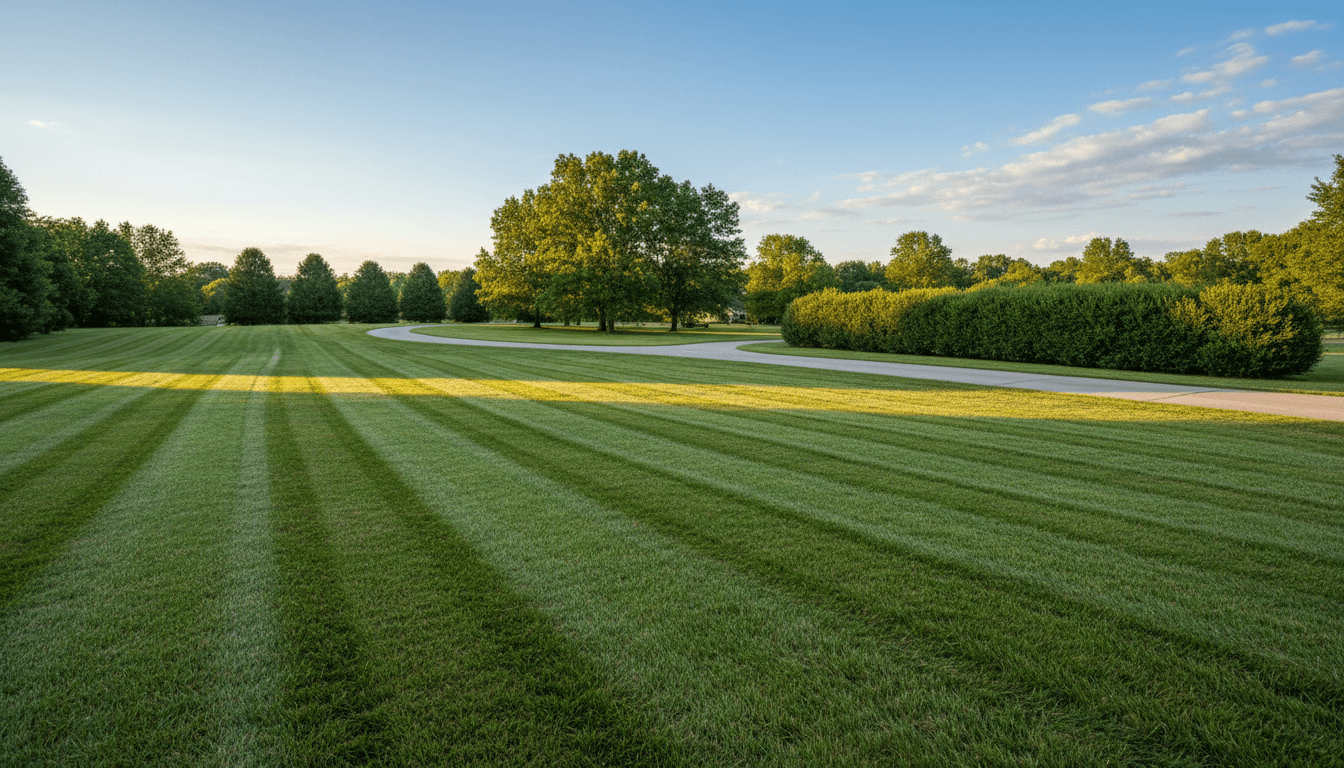
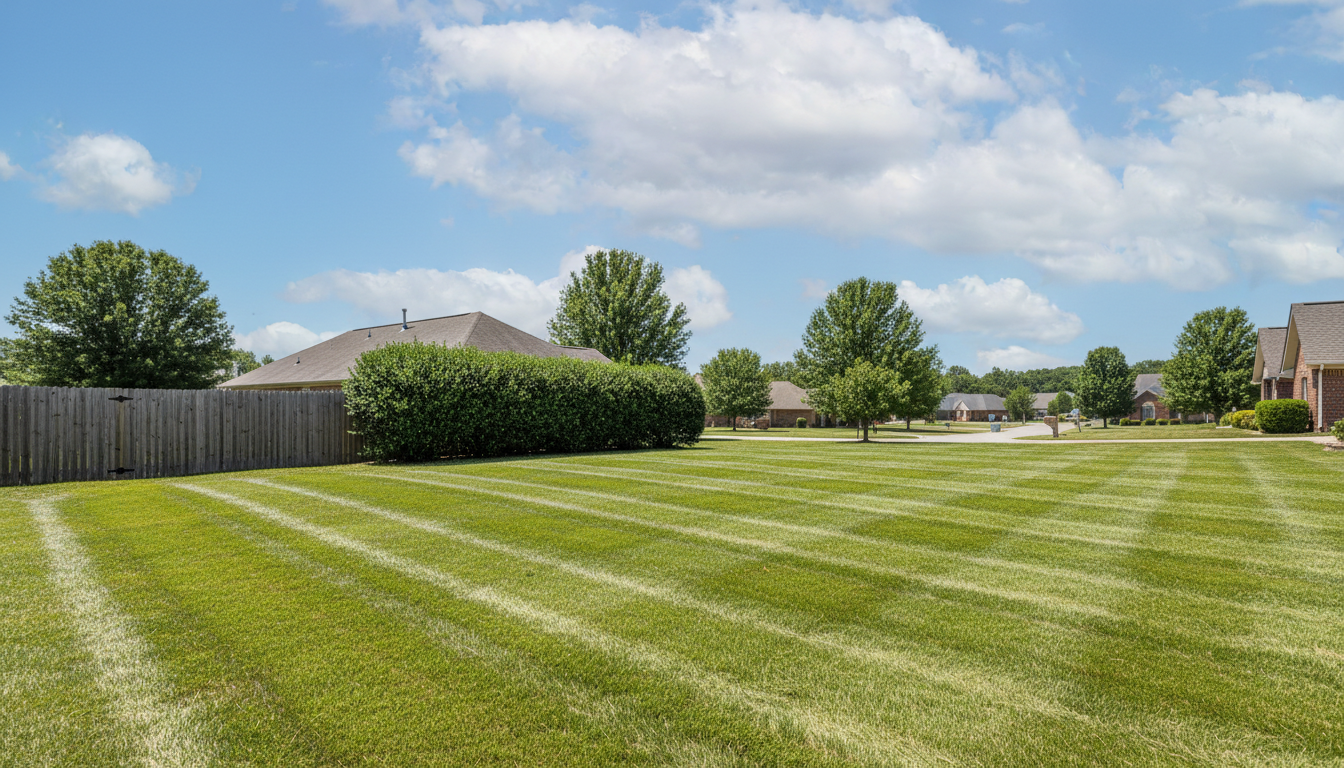
Mow your grass once per week during the peak growing season to maintain optimal health and appearance. When determining how often to mow lawn Tennessee homeowners should adjust their schedule to every 10 to 14 days in early spring and stop cutting once the grass becomes dormant in late October. Always adhere to the one-third rule to ensure you never remove too much of the grass blade in a single session.
Tennessee homeowners often find themselves caught in a frustrating cycle; one week the lawn looks manicured, and the next, a sudden flush of growth makes the yard look neglected. Maintaining a lush, healthy turf in the Volunteer State is uniquely challenging because our climate sits squarely in the transition zone. If you mow too frequently during a summer dry spell, you risk scorching the roots. If you wait too long during a rainy spring, you may struggle with clumped clippings and weakened blades. Understanding the precise timing for your grass type is the difference between a struggling yard and a professional finish. This guide covers everything from the essential one third rule and seasonal growth patterns to specific maintenance schedules for Gallatin business properties. You will learn how to adjust your mower blades through the changing seasons to ensure your landscape remains resilient and vibrant year round.
Understanding the Tennessee Transition Zone and Mowing Frequency
Gallatin and the surrounding Sumner County area sit squarely within the Transition Zone, a unique geographic region where northern and southern climates overlap. This means our local yards often feature a mix of cool-season grasses, like Tall Fescue, and warm-season varieties, such as Bermuda and Zoysia. Because these grasses have opposite peak growing periods, there is no single rule that applies to every lawn at the same time.
Tall Fescue thrives in the mild temperatures of spring and fall, often requiring frequent attention when the weather is wet and cool. Conversely, Bermuda and Zoysia remain dormant and brown through the winter, only hitting their stride during the high heat of a Middle Tennessee summer. This intersection of grass types is why many homeowners struggle to determine exactly how often to mow lawn Tennessee properties. One neighbor might be out with a mower in early March while another is waiting for their Bermuda to finally turn green in May.
The unpredictable nature of our local weather further complicates things. A particularly warm March can trigger early growth, while a late-season frost might stall it for weeks. For this reason, we advise property owners to prioritize the actual growth rate of the grass over a fixed calendar date. While a weekly schedule is a common baseline for most of the year, the timing must remain flexible to accommodate the specific needs of your turf type and the current moisture levels. If you find your lawn's growth pace difficult to track, seeking dependable lawn care services ensures your yard receives professional attention exactly when it needs it, keeping the grass healthy and the curb appeal sharp.
The Golden Rules: The One Third Rule and the 150 Rule
To maintain a healthy yard, you must look past the calendar and focus on the biology of the grass itself. The most important guideline we follow at Clayton’s is the One-Third Rule. This means you should never remove more than one-third of the total grass blade height in a single mowing session. If your Fescue is four inches tall, you should only take off about an inch and a quarter. Cutting deeper than this forces the plant to divert energy from root development to leaf repair, which is a recipe for disaster during Gallatin’s humid, sweltering summers. Deep roots are the only thing keeping your lawn alive when the Tennessee heat turns up.
Professional turf managers also look at the 150 Rule, which considers the sum of the air temperature and the height of the grass to determine stress levels and growth potential. When these combined numbers are high, the grass is under significant physiological strain. The frequency of how often to mow lawn Tennessee properties should always be governed by these metrics to avoid "scalping," which exposes the soil to direct sunlight, encourages weed growth, and dries out the root zone.
It is always healthier for the turf to be mowed more frequently while removing less material than to wait two weeks and hack it down. If you find it difficult to keep up with the rapid growth of a Sumner County spring, contact Clayton’s Lawn & Landscape to establish a routine that keeps your grass at its optimal height without the risk of stress or damage.
Early Spring: Waking Up the Lawn (March to April)

As the ground thaws and soil temperatures rise in Gallatin, the timing for your first mow depends entirely on the grass variety in your yard. For Tall Fescue, active growth usually begins in late March across Sumner County. You should bring the mower out once the blades reach a height of 3 to 4 inches. Starting too early can compact damp soil, but waiting too long makes it impossible to follow the one-third rule without multiple passes.
Warm-season grasses like Bermuda and Zoysia require a different approach. These varieties stay brown longer and should not be mowed until the lawn is at least 50 percent green. Cutting dormant warm-season grass too early can damage the crown before it has fully recovered from winter. Initially, how often to mow lawn Tennessee yards in early spring is relatively low, usually every 10 to 14 days. This frequency allows root systems to strengthen as they pull nutrients from the soil.
As April progresses and temperatures stabilize, growth will accelerate significantly. By mid-to-late April, you should transition to a consistent weekly schedule. Providing dependable lawn care services during this window ensures your turf stays healthy as it exits dormancy. If you need help managing the spring rush, contact Clayton’s Lawn & Landscape to secure your spot on our seasonal maintenance schedule.
Peak Growing Season: Summer Mowing (May to August)
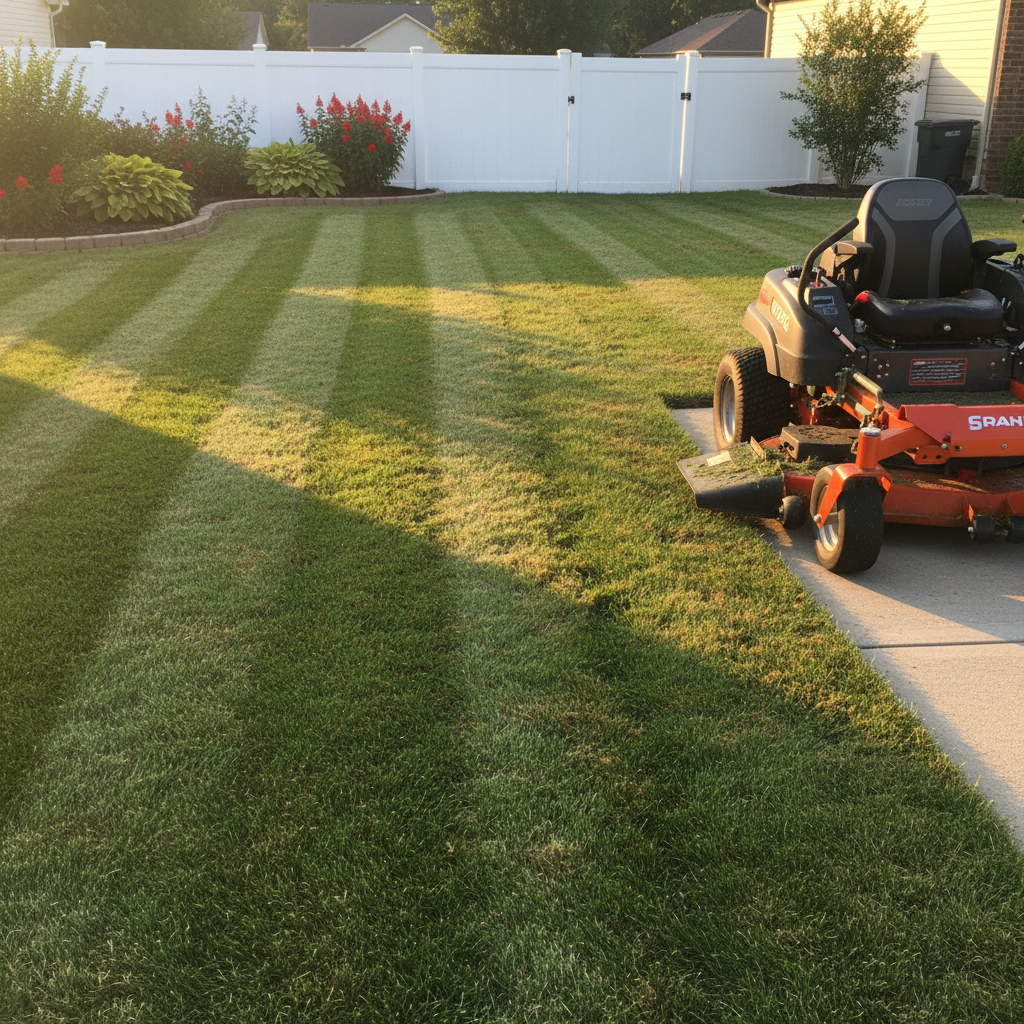
May marks the beginning of the most demanding period for Sumner County yards. As temperatures climb, the growth rate of Bermuda and Zoysia peaks, while Tall Fescue begins its struggle against the heat. Generally, weekly mowing is the standard during these months to keep residential and commercial properties looking sharp. However, the exact timing shifts based on the specific grass type and the current weather patterns.
For properties with Tall Fescue, you must adjust your mower deck as the heat intensifies. We recommend raising the height to 4 inches by late May. This extra height allows the taller blades to shade the soil surface, which keeps the root zone cooler and prevents rapid moisture evaporation. Conversely, warm-season grasses like Bermuda thrive in the Tennessee sun. These should be kept shorter, between 1.5 and 2 inches. Maintaining a strict weekly schedule for Bermuda is vital because if the interval is too long, the grass becomes stemmy, resulting in a ragged, brown appearance after the cut rather than a lush green carpet.
The most critical variable in determining how often to mow lawn Tennessee properties during summer is the drought factor. If Middle Tennessee enters a significant dry spell, you must slow down or stop mowing entirely. Cutting grass that is already dormant or heat-stressed can cause permanent damage to the crown. If you are unsure if your grass is too stressed for its weekly trim, contact Clayton’s Lawn & Landscape for an expert assessment. Our dependable lawn care services are designed to adapt to these environmental shifts, ensuring your lawn survives the summer heat without unnecessary stress.
Fall Mowing: Preparing for Dormancy (September to November)
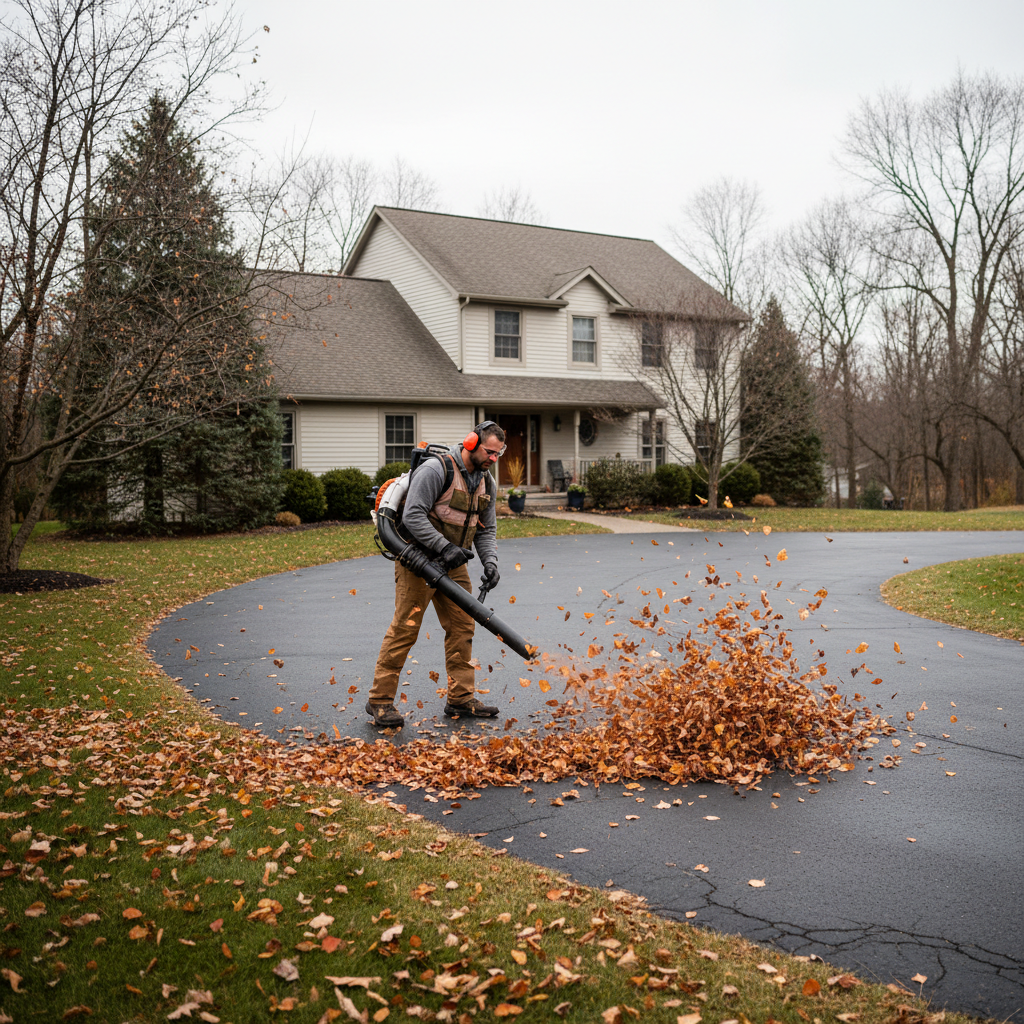
September in Gallatin brings a welcome reprieve from the heat, marking the start of the recovery window for Fescue lawns. You might wonder how often to mow lawn Tennessee properties as the days shorten. Typically, once we hit mid-September, growth begins to taper off, and you can safely extend your mowing interval to every 10 to 14 days. Homeowners often ask if October is too late to mow. The answer is a firm no. In fact, October is a prime month for turf health. Fescue often sees a second surge of growth in the cool air, and keeping it trimmed prevents it from falling over and trapping moisture.
During this period, your mower serves as a vital tool for leaf management. Rather than spending every weekend raking, use a mulching blade to shred fallen leaves directly into the turf. This process returns essential nutrients to the soil and is much healthier for the grass than allowing a heavy layer of debris to suffocate the blades. Mulching also helps maintain a clean appearance for your property without the labor of bagging.
The season concludes with a strategic final mow, usually in late November. Once you notice the grass has officially stopped growing for the year, lower your mower deck slightly to about 3 inches. This shorter height prevents the blades from matting down under winter debris, which significantly reduces the risk of snow mold and other fungal issues. If your autumn schedule is full, contact Clayton’s Lawn & Landscape to manage these critical transitions. Our dependable lawn care services provide the precise care needed to tuck your lawn in for the winter.
The Winter Exception: Do You Ever Mow in January?
Once the final cut of November is complete, the frequency for how often to mow lawn Tennessee properties drops to essentially zero for the months of December, January, and February. During this period, Bermuda and Zoysia are fully dormant and brown, while Tall Fescue significantly slows its metabolic processes to survive the cold. However, Middle Tennessee often experiences mild spells where temperatures remain in the 50s for several weeks. In these instances, Fescue may continue to put on a small amount of growth, leading to a shaggy or uneven appearance that detracts from your curb appeal.
Mowing in winter is not inherently damaging to the turf if done correctly. If your yard looks messy due to stray tall blades or accumulated winter debris, a light cleanup mow on a crisp, dry day is perfectly acceptable. You should never mow when the ground is saturated or frozen, as this can compact the soil or damage the grass crown. While dependable lawn care services are usually on a hiatus during this time, an occasional winter trim keeps your property looking sharp until the spring thaw begins. If you have questions about winter maintenance, contact Clayton’s Lawn & Landscape for expert advice.
Mowing Schedules for Gallatin Business Properties
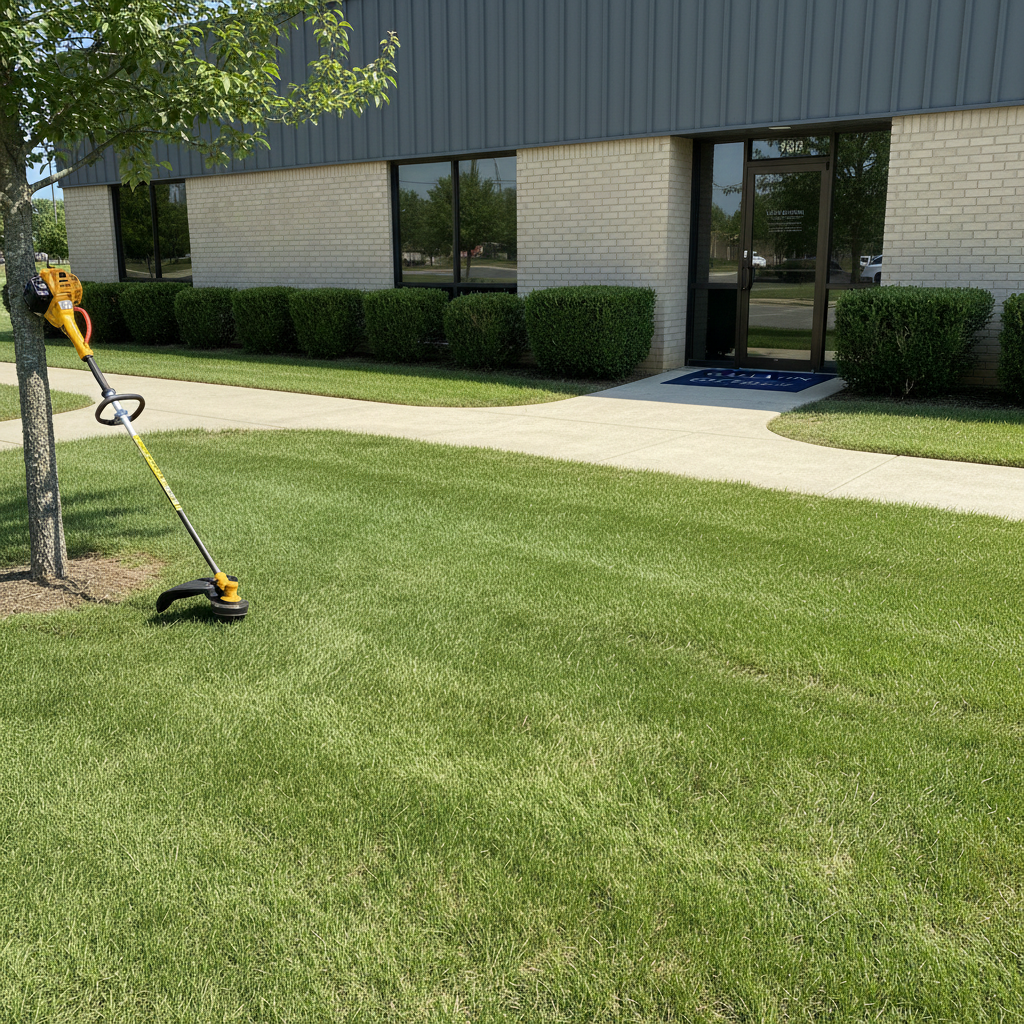
Small commercial properties in Gallatin require a different level of consistency than the average residential backyard. For a business, the lawn functions as a first impression, and maintaining a professional image requires strict adherence to a weekly mowing schedule. Curb appeal is directly tied to customer perception; an overgrown lawn often suggests a lack of attention to detail within the business itself.
Determining how often to mow lawn Tennessee commercial sites involves more than just managing height. It is about maintaining a crisp, uniform look that stays consistent across the entire property. Clayton’s Lawn & Landscape specializes in the finishing touches that define a commercial space, particularly clean, vertical edging along sidewalks, curbs, and parking lots. These sharp lines are essential for properties with high foot traffic, as they prevent grass from creeping over concrete and keep the site looking managed. Our dependable lawn care services ensure that your business remains inviting to clients throughout the growing season. To keep your property’s exterior looking sharp and professional, contact Clayton’s Lawn & Landscape to set up a commercial maintenance plan.
Signs Your Lawn Needs a Mow (Beyond the Calendar)
Effective mowing relies on observation more than a calendar. While a weekly routine serves as a baseline, you should monitor your turf for specific visual indicators. If you see seed heads appearing, the grass is prioritizing reproduction over root strength. When blades begin to lean over or "lodge," the lawn has reached a height where it can no longer support itself.
Sumner County's heavy rain cycles often trigger rapid growth spurts. During these periods, you might need to mow twice in a single week to avoid removing more than one-third of the blade. Following these cues is essential for maintaining health. If you struggle to keep up with these surges, contact Clayton’s Lawn & Landscape. Our dependable lawn care services take the guesswork out of how often to mow lawn Tennessee properties by reacting to the grass's actual needs.
Maintaining a healthy lawn in Tennessee requires adjusting your mowing habits as the seasons change. Whether it is the rapid growth of spring or the slower pace of winter, timing is everything for a lush yard. If keeping up with this schedule feels like a chore, you might consider reaching out for support. If you want expert help to keep your turf looking its best year-round, you can explore our Services to find the right fit for your property.