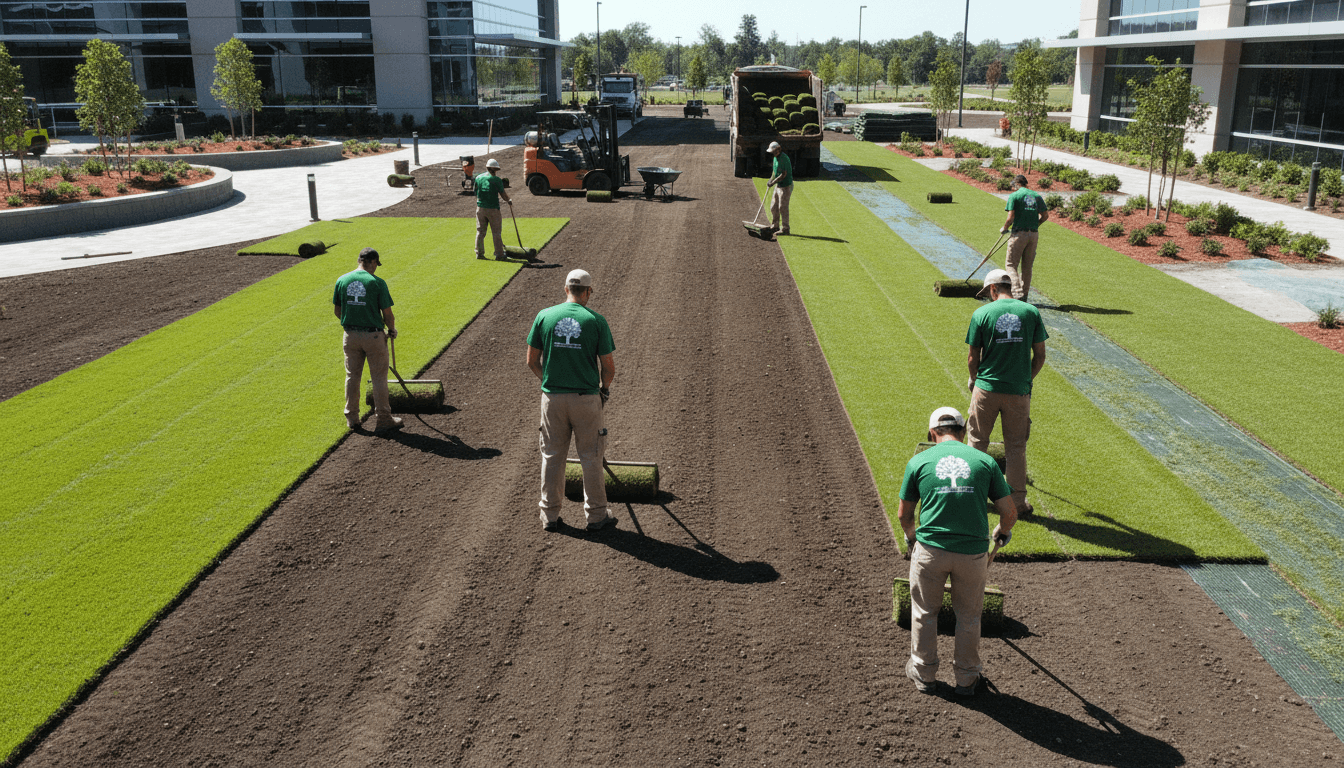
Maintaining a healthy yard through fall lawn care Tennessee requires mowing and watering until temperatures drop below 55 degrees, typically in mid-October. To prepare for winter, homeowners should also focus on aerating, dethatching, and applying nitrogen-rich fertilizers to strengthen the turf before dormancy.
As the humid Tennessee summer fades, many Gallatin homeowners make the mistake of thinking their lawn work is finished for the year. However, the yellowing patches and thinning turf left behind by the August heat are urgent signals that your yard is vulnerable. In Middle Tennessee, the autumn months represent the most critical window for recovery and long term health; if you neglect your soil now, you will likely face a muddy, weed-filled landscape when spring arrives. At Clayton’s Lawn and Landscape, we understand the specific challenges of Sumner County soil. We have compiled this comprehensive checklist to help you navigate the transition. You will learn the professional secrets to effective aeration and overseeding, the ideal timing for your final mow, and how to protect your landscape beds using fresh mulch and strategic winter weed prevention. Preparation today ensures a lush, resilient yard tomorrow.
Why Fall is the Most Critical Season for Middle Tennessee Lawns
Gallatin and the surrounding Sumner County area sit squarely in what turf experts call the Transition Zone. This geographic slice of the country is unique because it is too far north for warm-season grasses to stay green all year and too far south for cool-season grasses to thrive without significant intervention. In local neighborhoods, you will see a mix of Tall Fescue, which stays green longer into the winter, and Bermuda or Zoysia, which go dormant and turn tan after the first hard frost.
While many homeowners view spring as the most important time for yard work, fall is actually the most critical window for fall lawn care Tennessee residents must prioritize. Spring efforts are often about aesthetics and quick green-up, but fall is about long-term health and survival. The fluctuating temperatures we experience near Old Hickory Lake and the Cumberland River create a volatile environment for root systems. Soil moisture levels can swing wildly during a Tennessee autumn, and these shifts dictate how well your grass will withstand the coming freezes.
Generic national guides often fail to account for the heavy clay soil and the "yo-yo" temperature patterns typical of Middle Tennessee. A plan that works in Ohio or Georgia will not provide the same results here. By focusing on a Gallatin-specific approach, we ensure that your turf is not just surviving the winter, but building the necessary nutrient reserves to thrive as soon as the ground thaws. Taking the right steps now prevents expensive repairs and heavy weed pressure when spring arrives.
Aeration and Overseeding: The Secret to a Lush Gallatin Lawn
Middle Tennessee is notorious for its heavy, orange clay soil. Over the summer, this soil often becomes severely compacted due to heat and foot traffic, which prevents oxygen, water, and nutrients from reaching the root zone. Core aeration is the most effective way to break up this hardpan by pulling small plugs of soil out of the ground. For the Tall Fescue lawns that dominate Gallatin neighborhoods, this process is non-negotiable for maintaining a thick, healthy carpet of grass.
Homeowners frequently ask, "When should I aerate my lawn in TN?" To get the best results, you should aim for the window between late August and early October. If you are concerned that October might be too late to aerate, the answer is generally no, but you are cutting it close. The goal is to give new seeds enough time to germinate and develop a resilient root system before the soil temperatures drop significantly. Aerating too late in the year increases the risk of young grass being damaged by an early frost before it has properly established.
The sweet spot for overseeding occurs when the daytime temperatures begin to dip and the nights grow cooler. For non-irrigated properties in Sumner County, we strongly advise hitting the earlier side of this window, specifically in September. Planting early allows your lawn to take full advantage of the natural autumn rains, which are essential for seed survival if you aren't running a sprinkler system daily. Without that early moisture, the germination rate for fescue can drop significantly.
Clayton’s Lawn & Landscape provides professional lawn care services that prioritize proper technique over speed. We use specialized equipment to ensure deep cores are pulled, which creates the ideal environment for fresh seed to take hold. Integrating this service with our seasonal cleanups ensures that your lawn isn't just surviving the transition into winter, but is actively preparing for a vibrant spring. Using high-quality fescue blends specifically rated for our transition zone ensures your yard remains the pride of the neighborhood.
The Final Mow: When to Stop Cutting Grass in Tennessee

Knowing exactly when to stop cutting grass in Tennessee depends more on the thermometer than the calendar. The biological signal for turf to enter dormancy occurs when soil temperatures consistently hit the 50 to 55-degree Fahrenheit range. For homeowners in Gallatin and across Sumner County, this shift usually translates to a final mow between late October and mid-November. Once the growth rate slows to a crawl, continuing to mow can cause unnecessary stress to the plant's crown as it prepares for winter.
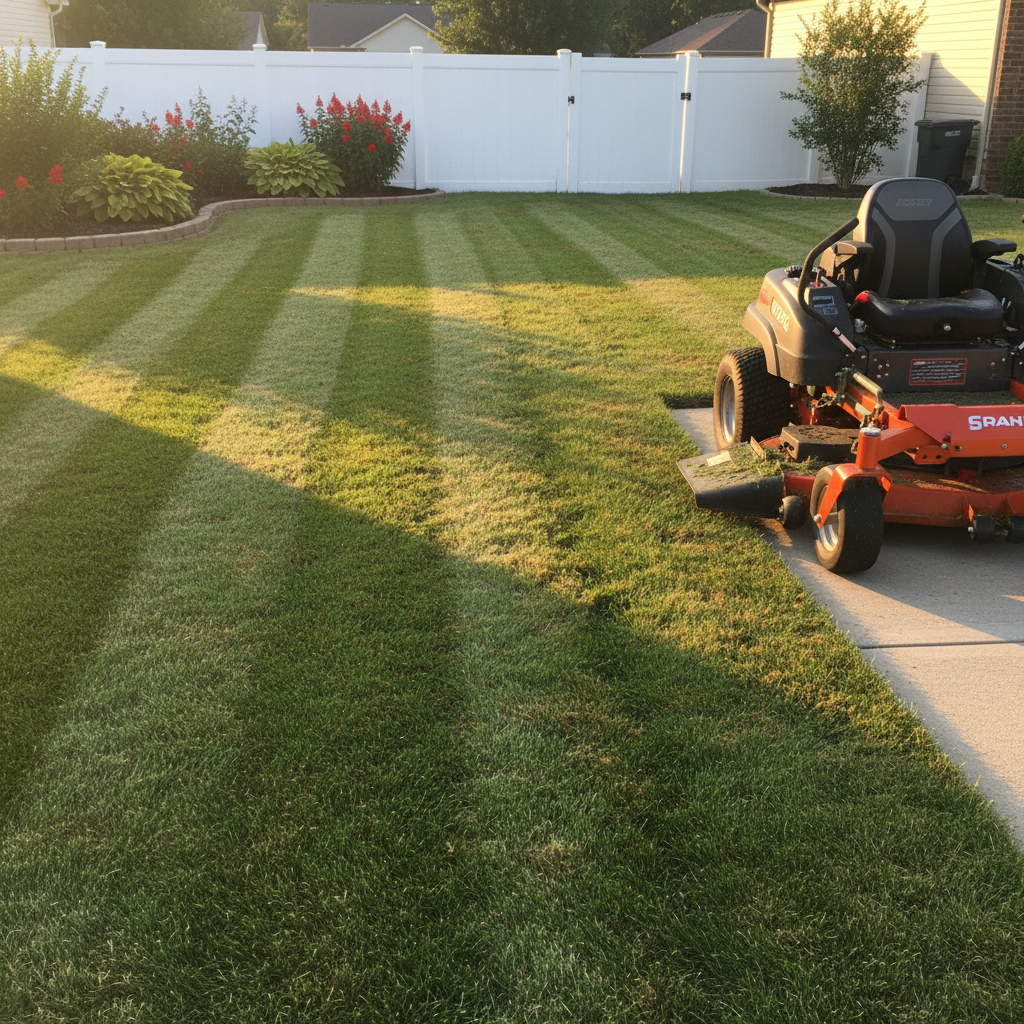
When determining what month do you stop cutting grass in the fall, you must also adjust your cutting height. Instead of a sudden, drastic cut, gradually lower your mower deck over the final two sessions of the season. For a Fescue lawn typically maintained at four inches, aim to finish the season at a height of about two and a half to three inches. This slightly shorter profile prevents the grass from matting down under the weight of heavy frost or late-season snow. When long grass blades mat together, they trap moisture and create an ideal environment for snow mold, a fungal disease that can result in dead patches come March.
At Clayton’s Lawn & Landscape, our professional lawn care services utilize commercial equipment maintained with razor-sharp blades. This detail is crucial for the final mow because dull residential blades often tear and shred the grass rather than cutting it cleanly. Torn grass blades are more susceptible to disease and winter kill. By ensuring a precise, clean cut as the lawn enters dormancy, we help your property maintain a sharp appearance while protecting the health of your turf as part of a comprehensive plan for fall lawn care Tennessee winters require.
Leaf Removal and Seasonal Cleanups in Sumner County
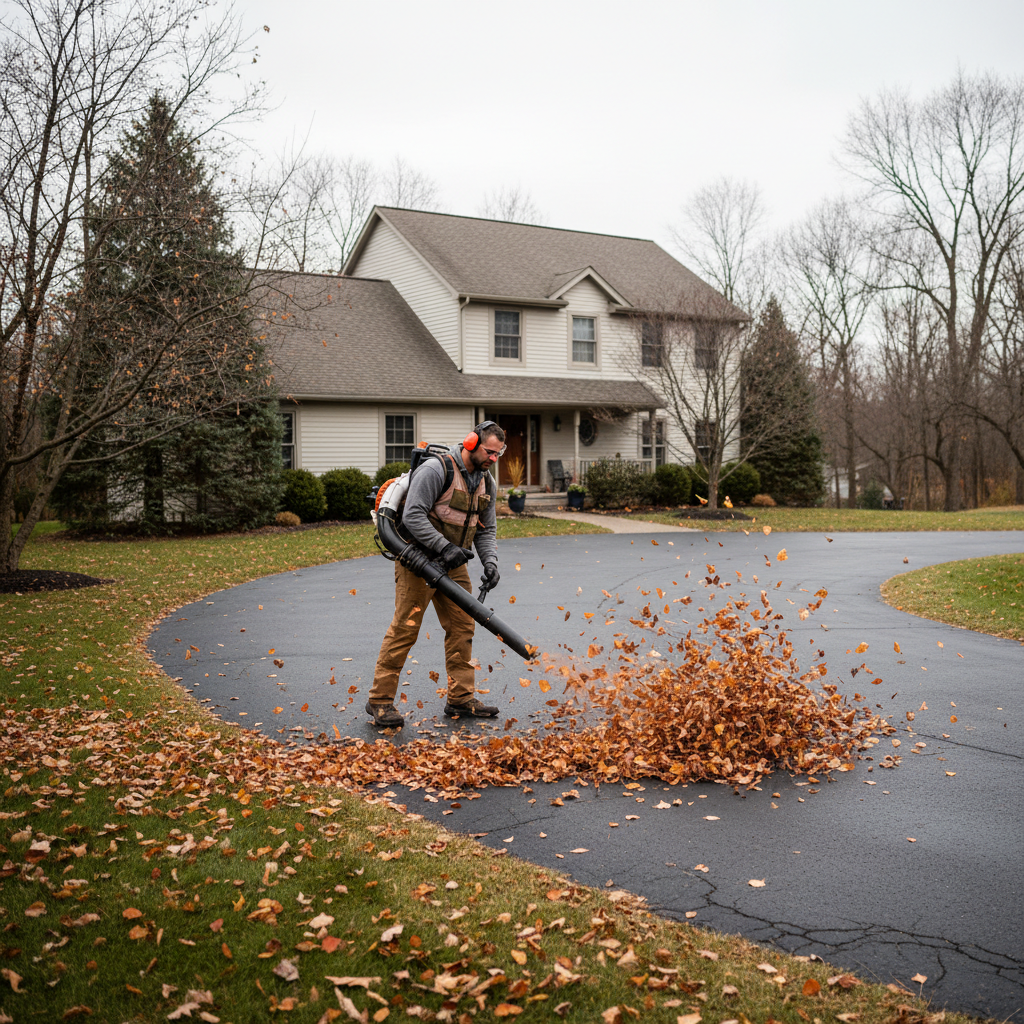
Allowing a thick carpet of maple or oak leaves to sit on your lawn is a recipe for disaster. While they may look picturesque for a few days, these leaves quickly trap moisture and block essential sunlight. For the Tall Fescue lawns common in Gallatin, this creates a suffocating environment that invites fungal diseases and provides a cozy habitat for pests like voles. A heavy layer of wet leaves can kill patches of grass in as little as two weeks, leaving you with bare spots to repair in the spring.
Maintaining the Gallatin look means keeping sharp, clean lines regardless of the temperature. Rather than waiting for the big drop at the end of the season, we recommend a leaf removal frequency of every 1 to 2 weeks. This consistent maintenance prevents the buildup from becoming unmanageable and ensures your turf can still breathe. Comprehensive seasonal cleanups should also extend into your landscape beds. This is the time to pull spent annuals and prune back late-season perennials to prevent disease from overwintering in dead plant material. By integrating these tasks into your professional lawn care services, you protect the health of your property and ensure it remains the most polished yard on the block. This proactive approach is a cornerstone of effective fall lawn care Tennessee homeowners rely on to avoid costly spring renovations.
Protecting Your Landscape Beds with Fresh Mulch
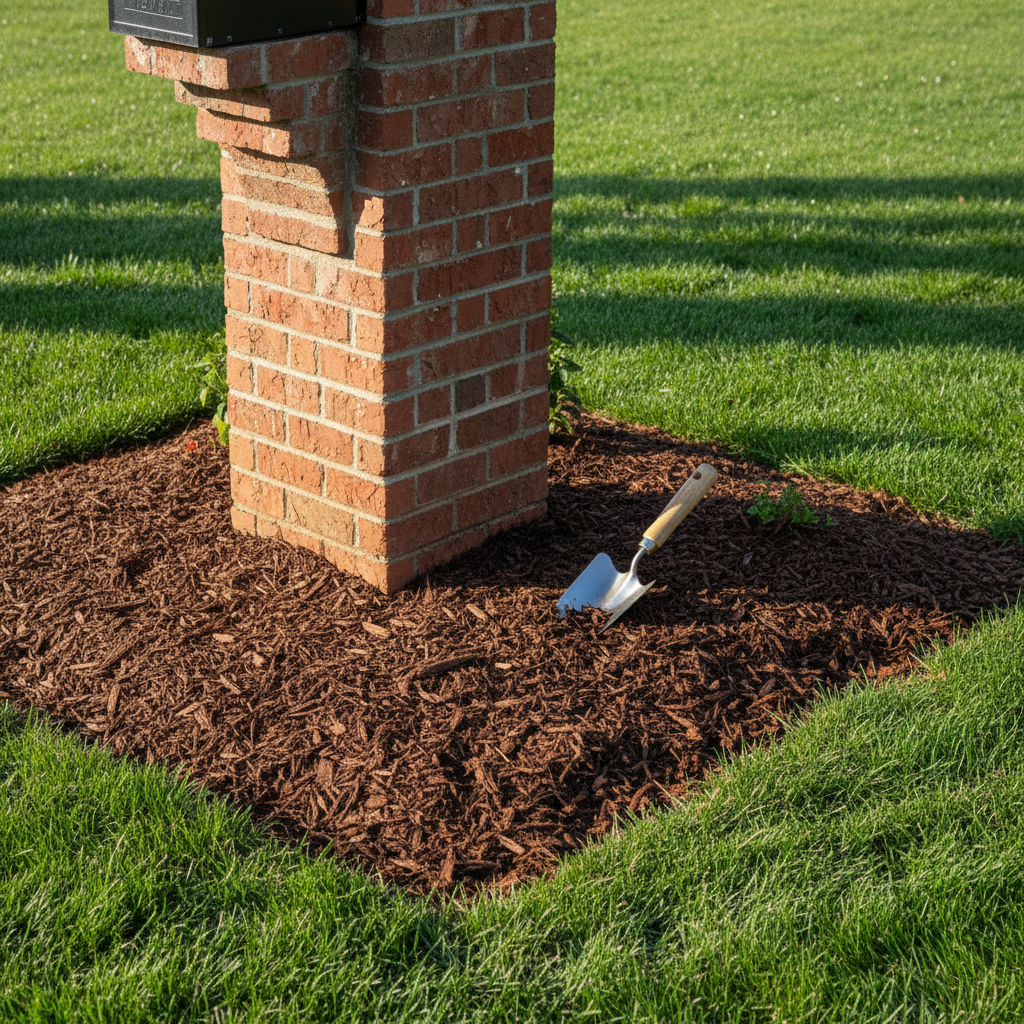
While many homeowners view mulch as a spring project, applying a fresh layer in the fall is vital for long-term plant health. In Gallatin, our winter weather is famous for yo-yo temperature swings. It is common to see a 60-degree afternoon followed by a 20-degree night. These rapid shifts cause the soil to expand and contract, which can stress root systems or even push young perennials out of the ground. A two to three-inch layer of mulch acts as a thermal insulator, keeping soil temperatures stable and protecting sensitive roots from the shock of a hard freeze.
I recommend using a high-quality dark hardwood mulch for this season. Beyond its superior moisture-retention properties, the deep color provides a sharp aesthetic contrast against the tan, dormant grass typical of Middle Tennessee winters. This is also the ideal time for bed edging. By cutting a clean, deep edge now, you prevent invasive grass roots from encroaching into your landscape beds during the winter months. Incorporating this task into your seasonal cleanups ensures your property looks manicured even when the garden is at rest. If you need assistance winterizing your beds as part of your overall fall lawn care Tennessee strategy, you can contact our team to schedule professional lawn care services tailored to the unique soil and climate conditions of Sumner County.
Fall Fertilization and Winter Weed Prevention
While mulch protects your landscape beds, the turf itself requires a specific chemical boost to survive the dormant months. This is where the concept of a "winterizer" fertilizer comes into play. Unlike spring fertilizers that focus on rapid top-growth, a fall application is formulated to strengthen the plant from the inside out. Potassium is the most critical ingredient for this time of year; it thickens the cell walls of the grass blades, making them more resilient to the freezing temperatures and heavy frosts common in Sumner County. Simultaneously, a controlled dose of nitrogen allows the grass to store carbohydrates in its root system. This stored energy acts as a fuel tank, ensuring your lawn has the strength to green up quickly and naturally once the soil warms in March.
Controlling winter weeds is the second half of this equation. Many Gallatin homeowners are frustrated by the sudden appearance of henbit and chickweed in early spring, but these weeds actually germinate in the cool, moist soil of September and October. By the time you see those purple flowers in your yard, the weed is already mature and difficult to kill. Applying a pre-emergent herbicide during your fall lawn care Tennessee routine is much more effective than fighting established plants later. This barrier prevents those seeds from ever taking root, keeping your lawn clean and uniform throughout the winter.
At Clayton’s Lawn & Landscape, our commitment to honest communication means helping you understand the line between DIY projects and professional lawn care services. While a homeowner can easily manage basic tasks like spreading mulch or light raking, calibrating herbicide and fertilizer spreaders requires precision to avoid chemical burns or uneven growth. We often see yards where over-application has stunted the very fescue seeds planted weeks prior. If you want to ensure your nutrient levels and weed barriers are applied correctly, you can contact our team to integrate these treatments into your seasonal cleanups and long-term maintenance plan.
Preparing your Tennessee lawn for winter ensures a vibrant return in the spring. By focusing on aeration, seeding, and proper fertilization now, you set the foundation for a healthy landscape. While these tasks are rewarding, they can also become a significant commitment to manage alone. If you want expert help to ensure your yard receives the specific care it needs, feel free to explore our professional lawn and landscape services today. We are here to help your Gallatin property thrive through every season.