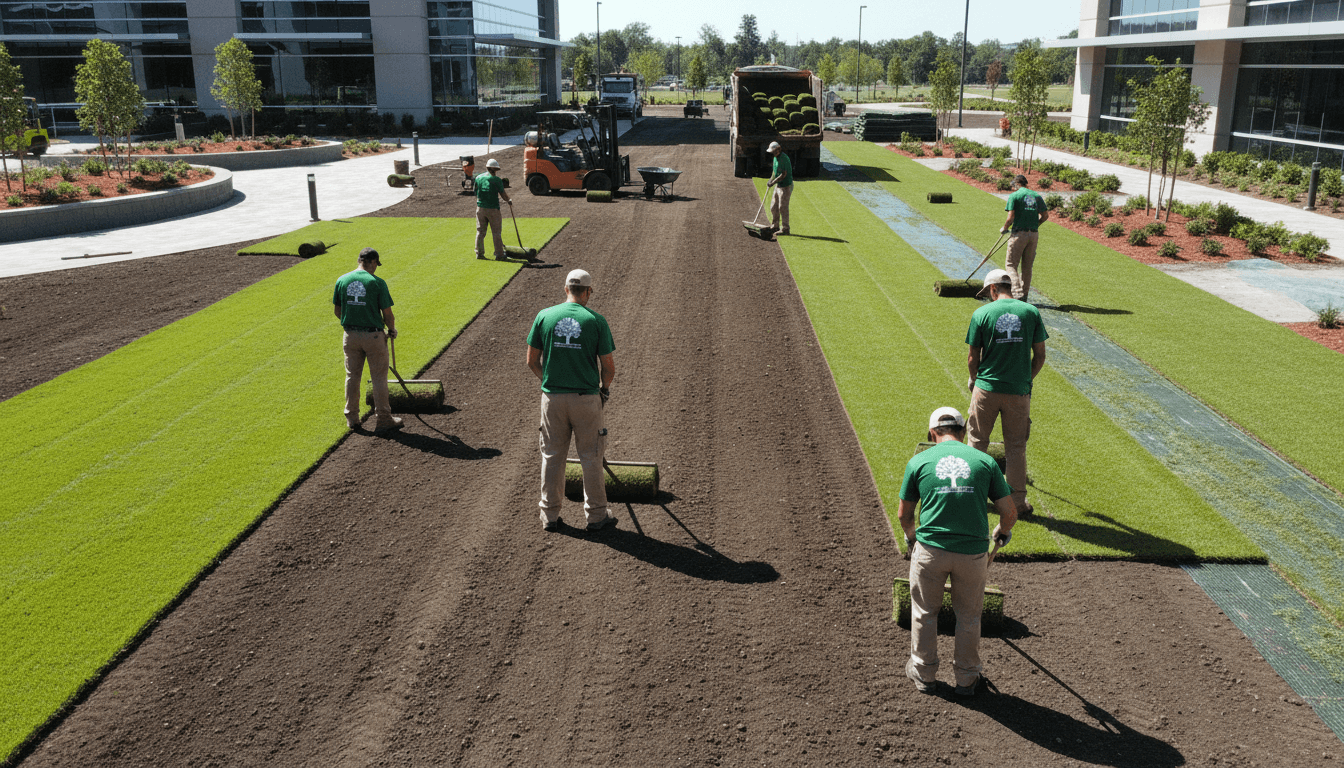

Treating brown patch fungus fescue lawn Gallatin TN issues involves applying preventative fungicides on a 28-day schedule and improving cultural habits like drainage and air circulation. This common fungal disease thrives in high humidity and warm nights, making it essential to avoid late-evening watering to protect your grass.
Nothing is more frustrating for a Gallatin homeowner than watching a lush fescue lawn turn into a collection of unsightly brown circles during the peak of summer. When the Tennessee humidity spikes and overnight temperatures remain high, brown patch fungus becomes an aggressive threat to your landscape investment. This fungal pathogen can spread rapidly across Sumner County yards; it often mimics the appearance of drought stress while causing much more permanent damage to the grass blades. In this guide, we provide expert insights into identifying the early warning signs of brown patch and differentiating it from common summer wilting. You will also learn the precise cultural prevention methods and professional treatment strategies required to stop the spread and ensure your fescue recovers before the fall aeration season arrives.
Understanding the Gallatin Humidity Factor: Why Brown Patch Hits Fescue Lawns Hard
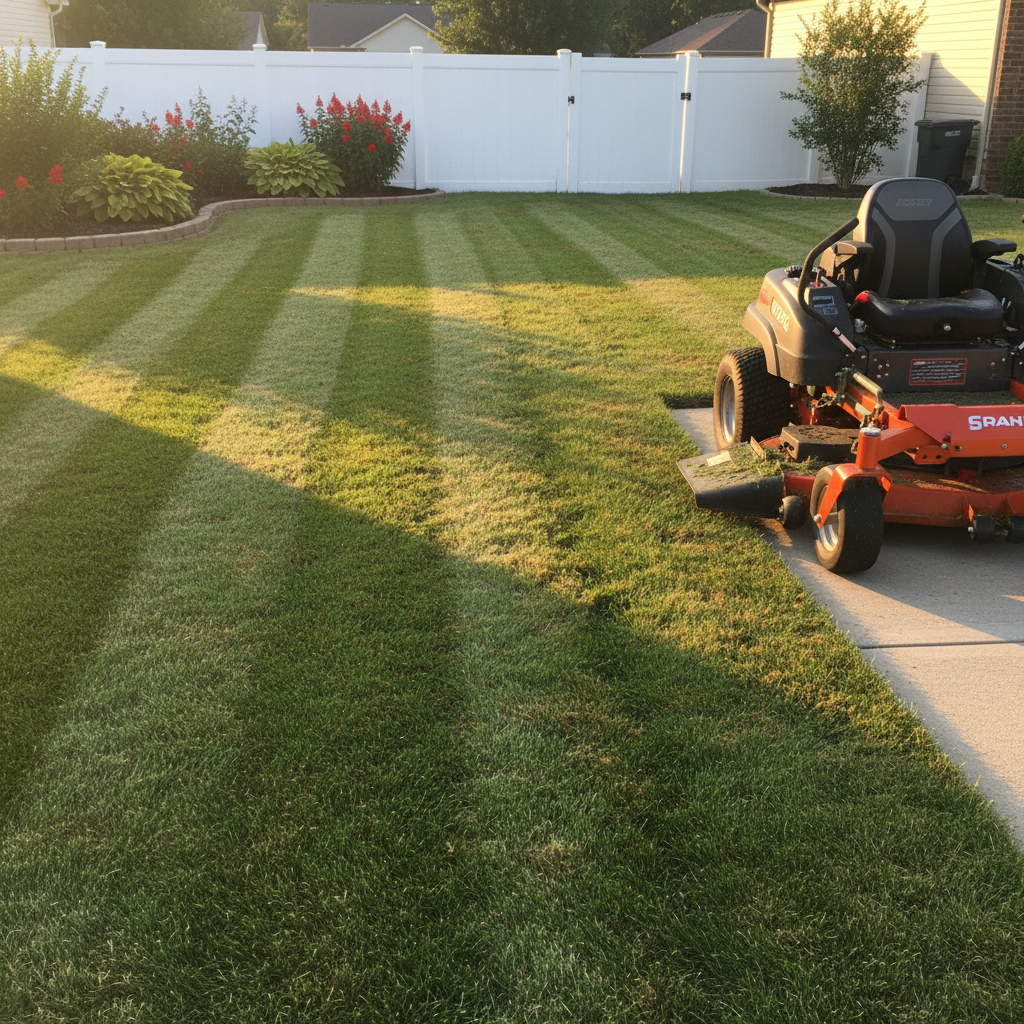
Tall Fescue is the backbone of the most beautiful landscapes in Sumner County. It handles our frosty winters with ease, but the summer months tell a different story. In Middle Tennessee, the most significant threat to your yard is Rhizoctonia solani, better known as Brown Patch. While homeowners in cooler northern regions might not struggle with this, our specific climate in Gallatin makes fescue particularly vulnerable during the mid-summer months.
The primary triggers are environmental. When nighttime temperatures consistently remain above 68 degrees Fahrenheit, the stage is set. Combine those warm nights with Gallatin’s notorious high humidity and heavy morning dew, and you have the perfect incubator for disease. Because fescue is a cool-season grass, it enters a stressed state during the dog days of July and August. In this weakened condition, it becomes a sitting duck for the fungus.
Our professional team frequently sees healthy yards transition to diseased ones within a single muggy night. Providing dependable and affordable lawn care services means helping you understand that brown patch fungus fescue lawn Gallatin TN issues are often a matter of when, not if, once the weather conditions align. Understanding these local environmental pressures is the first step in protecting your investment before the heat arrives.
How to Identify Brown Patch Fungus on Your Fescue Lawn
Once those muggy Sumner County nights set in, identifying the early signs of infection is critical to saving your turf. You should inspect your lawn daily during high-humidity windows. Identification begins with the overall shape of the damage. Look for distinct, circular patches that typically range from six inches to three feet in diameter. In severe cases, these circles can merge into large, irregular brown zones that cover significant portions of the yard.
If you head out during the early morning hours while the dew is still heavy, look closely at the outer edge of the circles. You might see a smoke ring, which is a dark, grayish, water-soaked band where the fungus is actively feeding on the healthy grass. This is often accompanied by white, cottony fungal threads, known as mycelium, visible on the grass blades before the sun dries them out.
A reliable way to confirm the diagnosis is the leaf pull test. Take a small handful of grass from a symptomatic area and give it a firm tug. If the brown patch fungus fescue lawn Gallatin TN homeowners struggle with is present, the grass blades will pull away easily from the crown. The leaf sheaths will look rotted or tan at the base, but the roots themselves will still look relatively healthy and remain firmly anchored in the soil. Distinguishing this from Summer Patch is vital; Summer Patch is a root rot disease where the entire plant often dies and pulls out of the ground completely.
Finally, inspect individual blades for lesions. You are looking for tan, irregular spots with distinct dark brown borders. Identifying these signs early allows our professional team to intervene before the fungus spreads. If you are unsure about what you are seeing, seeking dependable and affordable lawn care services for a professional diagnosis can save your lawn from permanent thinning.
Brown Patch vs Drought Stress: Knowing the Difference in Sumner County
Distinguishing between a thirsty lawn and a diseased one is a common challenge for homeowners in Sumner County. During the peak of summer, many people assume their grass is simply drying out, but treating fungus like drought can lead to a total lawn failure. When Tall Fescue experiences true drought stress, the symptoms are usually uniform across a section of the yard. You will notice the grass blades curling or folding inward as they try to conserve moisture, often taking on a dull, grayish-blue tint before eventually turning straw-colored.
In contrast, the brown patch fungus fescue lawn Gallatin TN residents face is localized and irregular. Instead of a general wilt, you will see the distinct circular patterns mentioned earlier. The most reliable indicator, however, is found on the individual blades. While drought-stressed grass is just a solid brown or tan, fungus-infected blades show clear lesions, which are tan spots surrounded by dark, chocolate-brown borders.
Our local clay soil makes this distinction even more critical. Because clay holds surface moisture while becoming compacted, it often tricks homeowners into overwatering to combat what they perceive as drought. This extra water sits in the thatch layer, creating a humid microclimate that feeds the fungus. Providing dependable and affordable lawn care services means helping you realize that if you see circular patterns or blade lesions, reaching for the sprinkler will only accelerate the damage.
Cultural Prevention: How to Stop Fungus Before It Starts

While fungicides are a powerful tool, the most effective long term strategy involves cultural management. By adjusting how you maintain your yard, you can make the environment naturally hostile to the brown patch fungus fescue lawn Gallatin TN homeowners dread. Success comes down to four specific pillars of care.
First, adjust your mowing height. During the Sumner County summer, your mower blade should be set to 3.5 or 4 inches. This height provides a dense canopy that shades the soil, keeping ground temperatures lower and protecting the roots. Cutting fescue any lower during the heat of July stresses the plant and restricts air movement near the crown, creating the stagnant, humid conditions where fungus thrives. Always ensure your mower blades are sharp; a clean cut heals faster than a jagged, torn edge that invites pathogens.
Second, master your watering schedule. The absolute worst time to water is in the late afternoon or evening. Moist grass blades sitting in Gallatin’s humid overnight air act as an open invitation for infection. Instead, set your irrigation for the early morning, between 4 AM and 8 AM. This window allows the soil to absorb moisture while the rising sun dries the leaf blades quickly, preventing the prolonged leaf wetness that fungus requires to grow.
Third, manage your nutrients carefully. One of the most common mistakes our professional team sees is the application of high nitrogen fertilizer in late May or June. While nitrogen creates a deep green color, it also causes soft, succulent growth. This tender grass is easily penetrated by fungal spores. It is better to stop nitrogen applications by early May and wait until our dependable and affordable lawn care services return for the cooler fall growing season.
Finally, maximize air circulation across the turf. Fungus loves stagnant air and trapped moisture. Pruning low-hanging shrubbery or thinning out heavy tree canopies allows the breeze to move more freely across the lawn. This natural airflow helps evaporate morning dew and reduces the local humidity levels that fuel a fungal outbreak.
Treatment Options: Fungicide Schedules and Strategies
Even with perfect cultural habits, the heavy pressure of a Tennessee summer can sometimes overwhelm a lawn. When preventive measures fall short, chemistry becomes necessary to arrest the spread. For homeowners dealing with brown patch fungus fescue lawn Gallatin TN conditions, a 28 day fungicide rotation is the industry standard for maintaining protection during the peak risk months of June through August.
The most effective approach involves alternating active ingredients to prevent the fungus from developing chemical resistance. We typically recommend starting with a product containing Azoxystrobin, a systemic fungicide that moves throughout the plant. For the following application, switching to Propiconazole provides a different mode of action, ensuring the fungus does not adapt to a single treatment type. Using the same product repeatedly can render your efforts ineffective by the time the most intense August heat waves arrive.
Fungicide Type | Common Active Ingredients | Typical Application Window |
|---|---|---|
Group 11 (Strobilurins) | Azoxystrobin | 28 Days |
Group 3 (DMI Fungicides) | Propiconazole | 14 to 28 Days |
Combination Products | Azoxystrobin + Propiconazole | 28 Days |
It is vital to manage expectations regarding curative applications. While a fungicide treatment stops the infection from expanding, it will not instantly turn brown blades green again. The damaged leaf tissue is physically compromised, and the lawn will only look healthy once the plant grows new, unaffected blades. Our professional team often explains that patience is required during this phase. If the damage is significant, reaching out for dependable and affordable lawn care services now ensures your property is prepared for the necessary recovery steps when the season changes.
Will My Fescue Lawn Recover from Brown Patch Fungus?
The most common question homeowners ask when their yard looks like a checkerboard of tan spots is whether the grass is dead or just dormant. Fortunately, the brown patch fungus fescue lawn Gallatin TN residents deal with is primarily a foliar disease. This means the pathogen typically attacks the leaf blades rather than the crown, which is the vital growing point located at the soil line. Because the crown and roots usually remain intact, your fescue has the potential to bounce back once the oppressive heat and humidity of July and August finally break.
Recovery typically begins in mid-to-late September as cooler air moves into Sumner County. However, nuance is required; if the fungal pressure was high and the infection was left untreated, the turf will likely be significantly thinned out. While the surviving plants will green up, the lawn may not return to its original density on its own, often appearing sparse or "see-through" in formerly diseased areas. To restore a lush appearance, our professional team recommends a proactive restoration approach.
Most properties in our area require aeration and overseeding in Gallatin during the fall to fill in the bare spots left behind by the summer fungus. Aeration relieves the soil compaction common in our local clay, while overseeding introduces fresh, resilient genetics to the lawn. Combining these recovery steps with our dependable and affordable lawn care services ensures that the damage from summer fungus is a temporary setback rather than a permanent scar on your landscape.