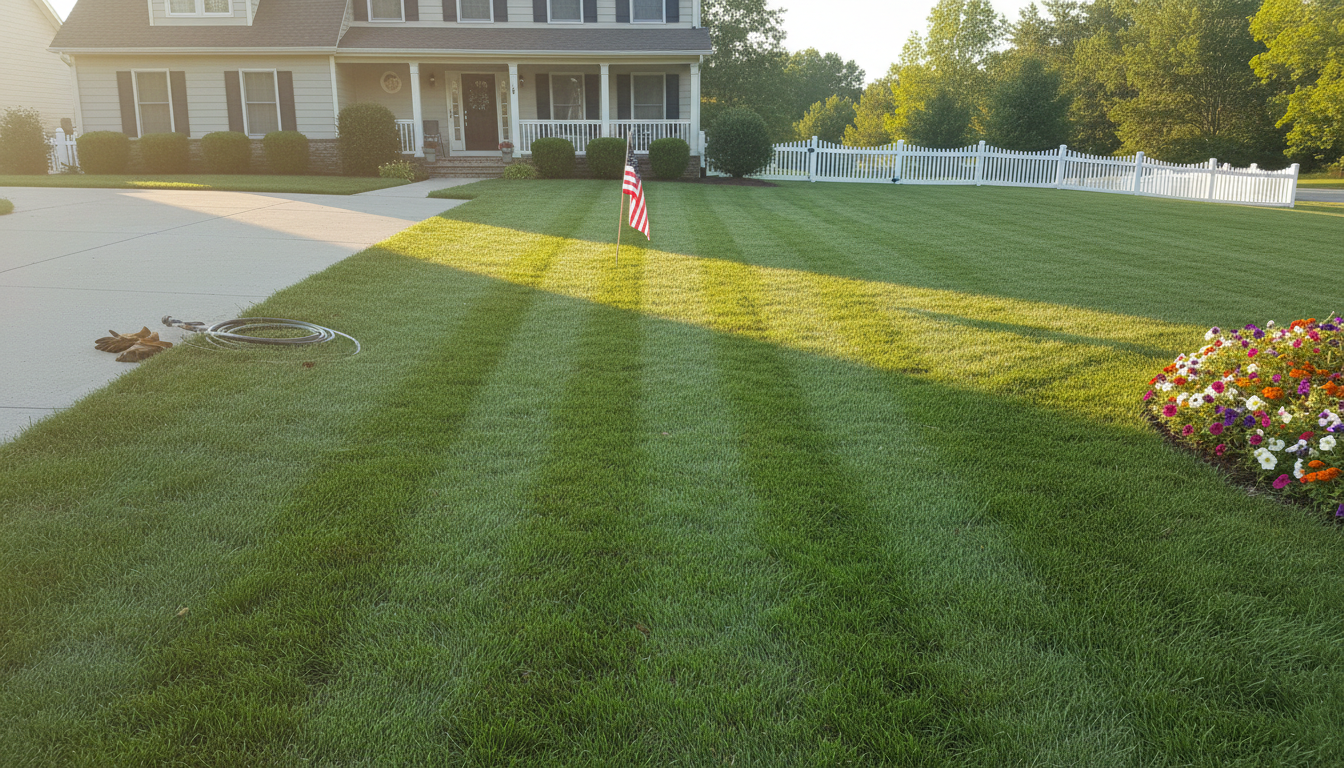
Tall Fescue is the overall best grass for Tennessee lawn health because it balances shade tolerance with the ability to thrive in clay soil and cold winters. Bermudagrass and Zoysiagrass are also excellent choices for sunny areas; these warm-season varieties provide superior heat resistance and durability for active households.
Maintaining a lush, green lawn in Middle Tennessee often feels like a losing battle against compacted clay soil and the unpredictable weather of the transition zone. Many homeowners in Gallatin find themselves frustrated when their turf struggles through the scorching August heat or fails to recover after a hard winter freeze. This struggle is rarely due to a lack of effort; it is usually the result of planting a species that simply was not built for the unique demands of Sumner County. In this guide, we will evaluate the performance of Tall Fescue, Bermuda, and Zoysia within our local climate. You will learn which variety stands up to heavy foot traffic, how to manage the challenges of local shade, and why understanding your soil composition is the definitive first step toward a resilient, professional landscape.
Understanding the Middle Tennessee Transition Zone Challenge
Growing a healthy yard in Gallatin presents a unique set of obstacles because Middle Tennessee sits squarely within the Transition Zone. This geographical belt is characterized by weather extremes that make it difficult to find a single perfect turf variety. We are located too far north for warm-season grasses to stay green throughout the winter; yet, we are too far south for cool-season grasses to survive the sweltering July and August heat without professional help.
Selecting the best grass for Tennessee lawn success requires understanding two distinct categories:
Cool-Season Grasses (Tall Fescue): These varieties thrive in the spring and fall, staying green through the winter months. Their main challenge is surviving the intense heat and humidity of a Sumner County summer.
Warm-Season Grasses (Bermuda and Zoysia): These love the heat and handle drought well. However, they go dormant and turn tan after the first hard frost, remaining brown until late spring.
Maintaining a sharp, clean look in this region involves more than just regular cutting. Our team provides dependable lawn maintenance that accounts for these biological limits, ensuring your property stays resilient regardless of the season.
Tall Fescue: The Standard Choice for Sumner County Homeowners
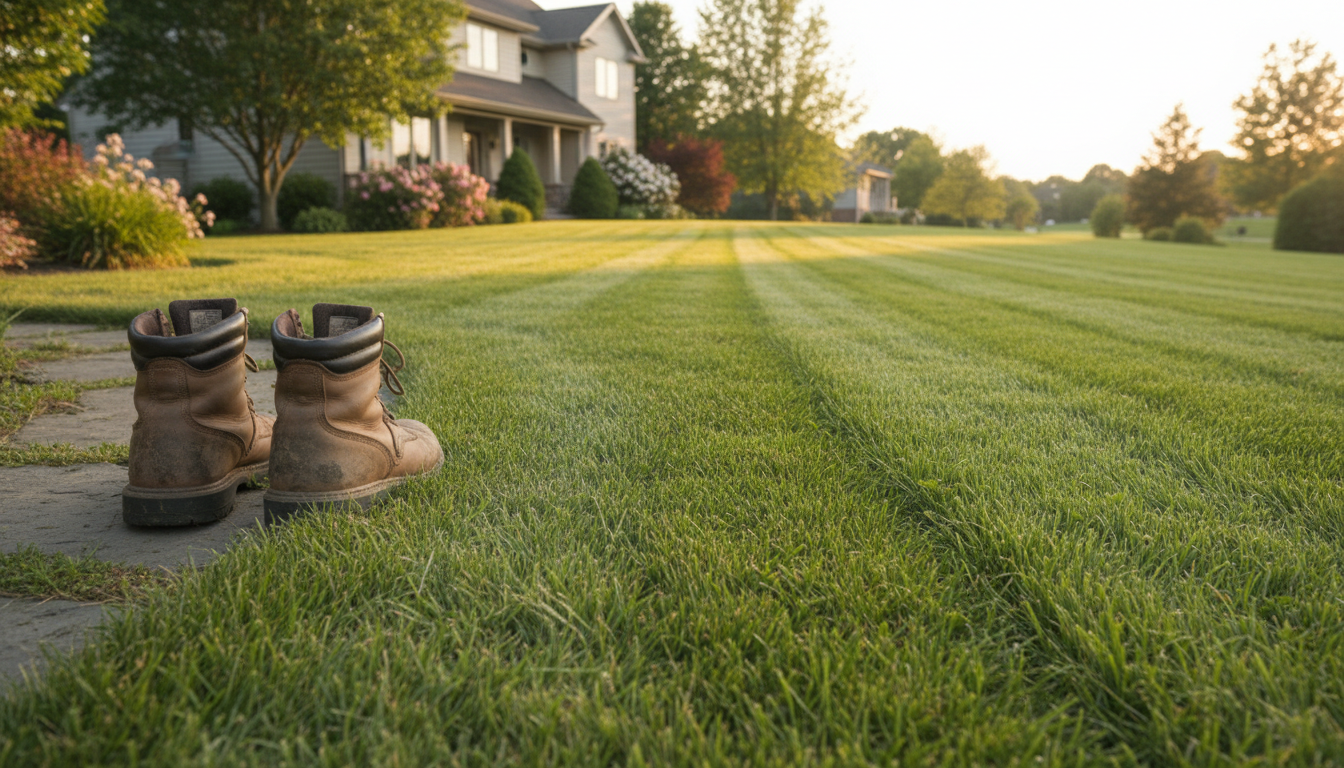
Tall Fescue remains the dominant choice for homeowners in Gallatin and Hendersonville because it offers the closest thing to a year-round green lawn in our region. Choosing the best grass for Tennessee lawn success often leads homeowners back to this variety for its aesthetic reliability; unlike warm-season options, Fescue maintains its color through the winter months, providing consistent curb appeal when neighboring yards have turned tan.
This variety is particularly well-suited for the heavy clay soil common throughout Sumner County. Its deep root system allows it to reach moisture and nutrients trapped within the compacted soil, providing a level of resilience that shallower cool-season grasses cannot match. For the best performance, we recommend modern Turf Type Tall Fescue (TTTF) blends. These improved varieties feature a finer leaf blade, a darker green color, and better disease resistance compared to older, coarser options like Kentucky 31.
However, Fescue requires diligent management to survive a Middle Tennessee summer. Because it is a cool-season grass, it faces extreme stress during the humid nights of July and August, making it highly susceptible to Brown Patch fungus. This soil-borne disease can quickly create thinning, brown circles across a property if the grass is over-watered or stressed by heat. To mitigate these risks, dependable lawn maintenance must include raising mowing heights in the summer to shade the soil and protect the plant's crown. While Fescue typically requires annual fall aeration and overseeding to repair summer heat damage, its ability to stay green during the coldest months makes it the preferred standard for most residential lots.
Bermuda Grass: The Durable Option for Sun Drenched Yards
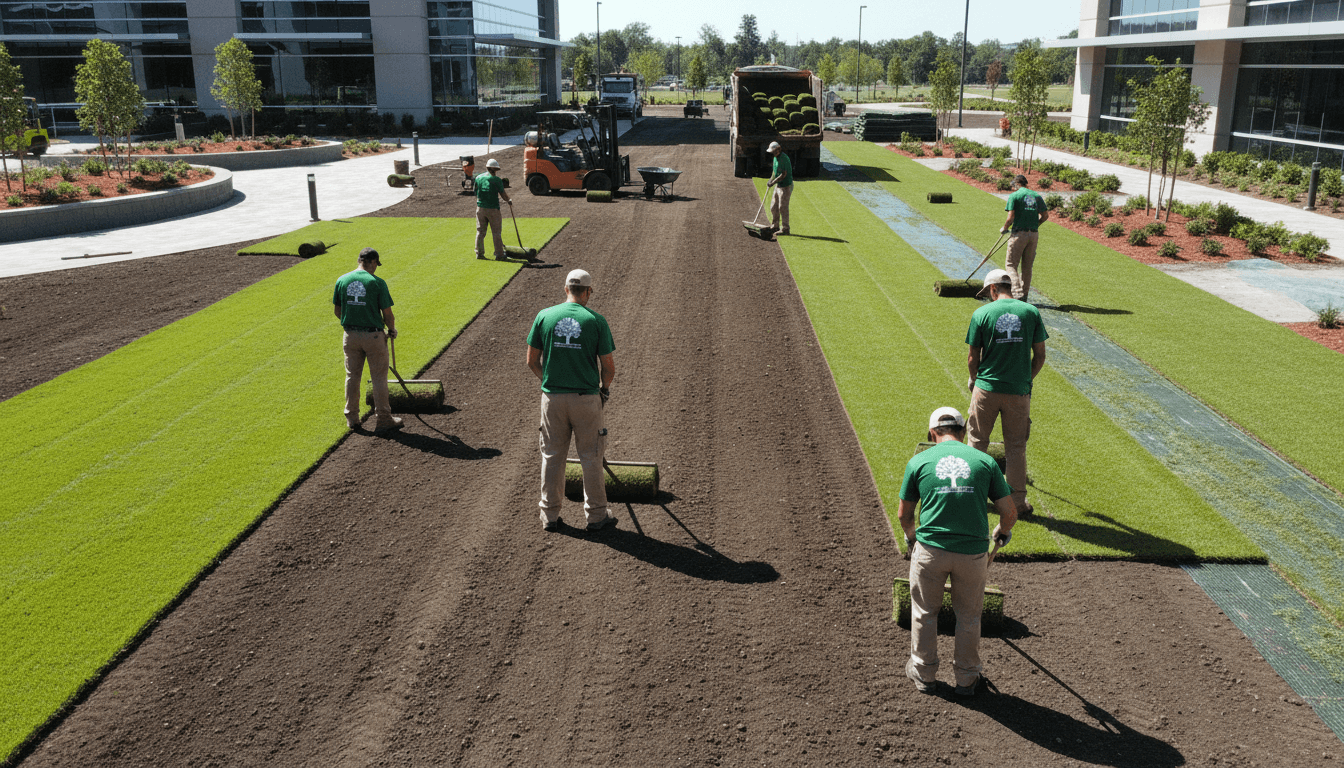
Homeowners with wide-open, sun-drenched lots often find Bermuda grass to be the more resilient choice. Often referred to as the 'sports field' grass, Bermuda is built for extreme durability. It thrives during the peak of the Middle Tennessee summer, actively growing when other varieties begin to wilt. For families in Hendersonville or Gallatin with active dogs or children, Bermuda’s ability to recover from high foot traffic makes it a top contender for the best grass for Tennessee lawn installations. Its aggressive growth habit allows it to self-repair bare spots by spreading across the soil surface using both stolons and rhizomes.
Choosing Bermuda requires accepting a specific seasonal cycle. Unlike Fescue, Bermuda enters a state of total dormancy following the first hard frost, turning a distinctive tan or straw color until consistent warmth returns in late spring. Property owners must also account for the risk of 'winter kill.' During extreme Gallatin cold snaps, prolonged sub-zero temperatures can damage the root system of certain Bermuda varieties, leading to patchy spring green-up or total loss in exposed areas. Providing dependable lawn maintenance throughout the growing season helps strengthen the turf against these winter stressors, but the primary trade-off remains a brown yard for nearly half the year.
Zoysia Grass: The Premium Middle Ground for Local Lawns
Zoysia grass represents the premium choice for homeowners seeking a manicured, resort style appearance. It is often considered the best grass for Tennessee lawn enthusiasts who want the heat tolerance of Bermuda without the coarse texture. Zoysia creates a dense, carpet like sod that feels soft underfoot and naturally crowds out most summer weeds.
While it is a warm season grass, Zoysia offers several advantages over Bermuda for Sumner County properties. It maintains its green color deeper into the autumn and can tolerate moderate shade, making it a viable option for lawns with small trees or structures that block direct sun. It also boasts superior disease resistance, standing up well to the intense humidity of July and August. The primary barrier for most Gallatin residents is the upfront investment; Zoysia is significantly more expensive to install and establishes much slower than other varieties. Homeowners prioritizing long term curb appeal and a high end feel often find the cost worthwhile. Our dependable lawn maintenance ensures this high value turf stays healthy and sharp throughout the growing season.
Managing Middle Tennessee Clay Soil: Why Grass Type is Only Half the Battle
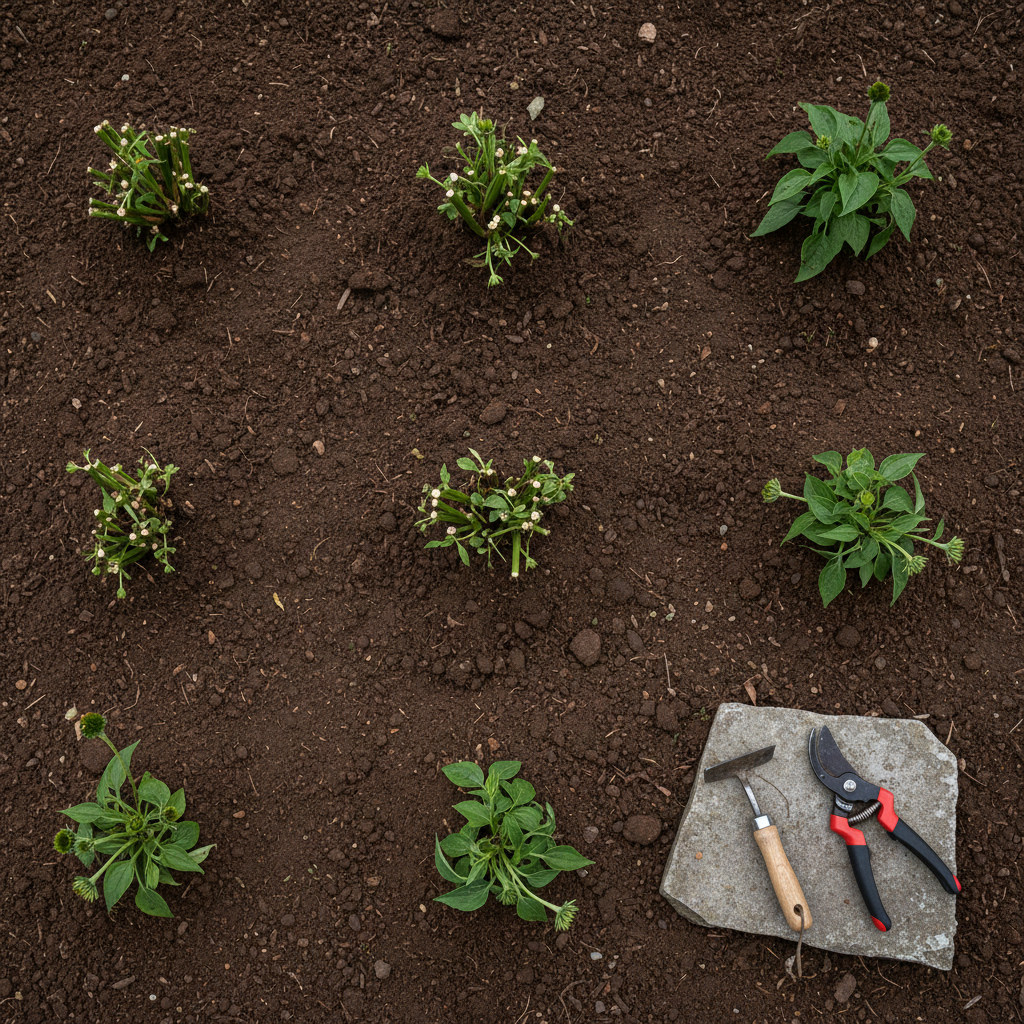
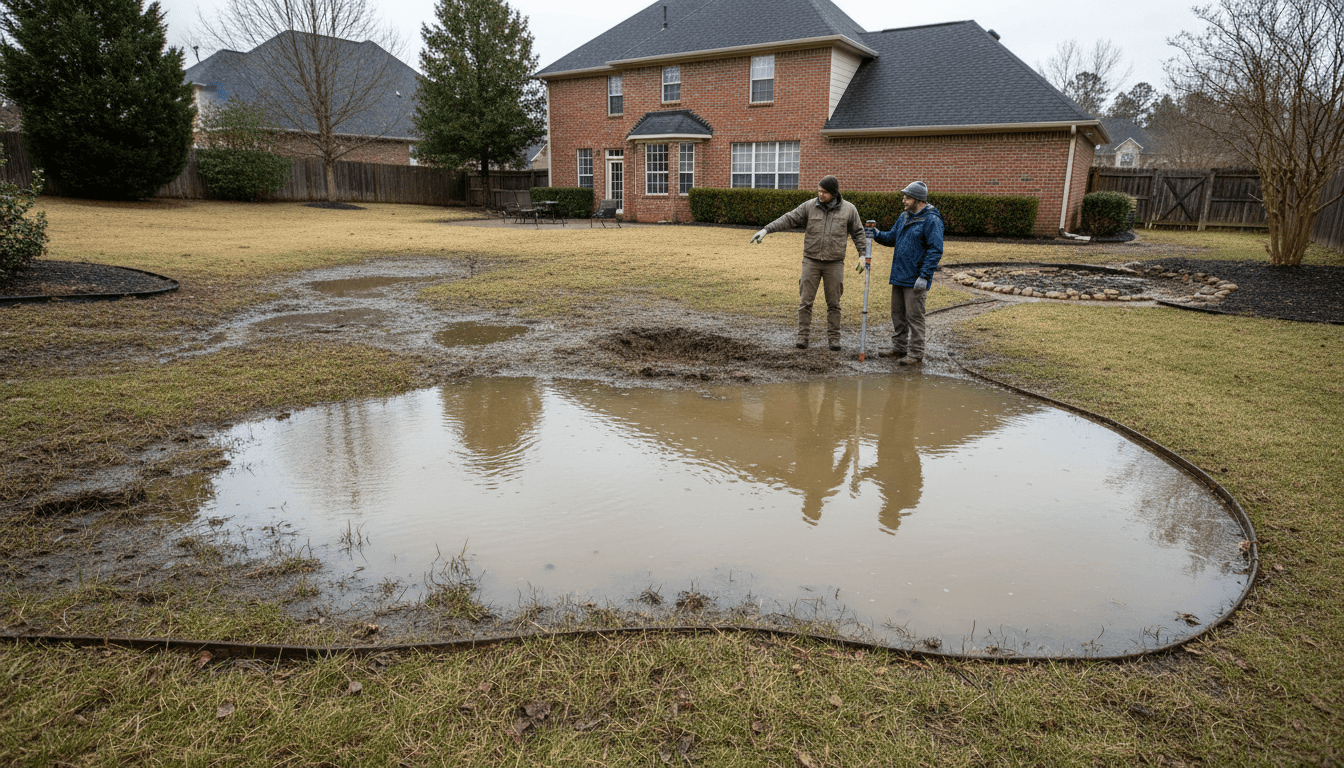
Sumner County is notorious for heavy, dense clay soil that presents a significant physical barrier to healthy turf. Unlike loamy soils that remain porous, our local clay compacts easily under foot traffic and mower weight. When soil becomes compacted, it loses the oxygen and pore space necessary for roots to breathe and expand. For a Fescue lawn, this compaction is particularly damaging; it prevents the deep root growth required to tap into sub-soil moisture during a dry August.
Managing this soil density is a critical component of dependable lawn maintenance in our region. Because clay absorbs water slowly, heavy rains often lead to surface runoff and nutrient loss rather than deep saturation. Even if you plant the best grass for Tennessee lawn conditions, the turf will eventually thin out if the soil is left unmanaged. Core aeration is the most effective way to address this. By physically removing small plugs of clay, we break the compaction and allow air, water, and fertilizer to reach the root zone. In Gallatin, annual aeration is not a luxury; it is a fundamental requirement to prevent the soil from turning into a concrete-like layer that chokes out your lawn.
The Shade Test: Which Grass Thrives Under Gallatin Tree Canopies
Sunlight availability is often the deciding factor when choosing a turf variety. Many properties, particularly near the historic homes in downtown Gallatin or the mature wooded lots in Hendersonville, struggle with heavy tree canopies. If your yard receives less than six to eight hours of direct, unobstructed sunlight, Bermuda will likely fail. This warm season grass requires intense solar energy to thrive; in shaded spots, it becomes leggy, thin, and eventually yields to bare dirt.
For these challenging environments, Tall Fescue is generally the best grass for Tennessee lawn shade tolerance. It functions much better than Bermuda or Zoysia in dappled light. In areas with even heavier shade, incorporating Fine Fescue blends can help, as these specific varieties can sometimes persist on as little as four hours of filtered light. It is important to note that no grass variety can grow in total shade. If a spot never sees the sun, our lawn care services in Gallatin can help you transition those areas to mulch or groundcover to maintain a clean aesthetic without the frustration of constant turf failure.
Maintenance Realities: Mowing and Fertilization for Each Type
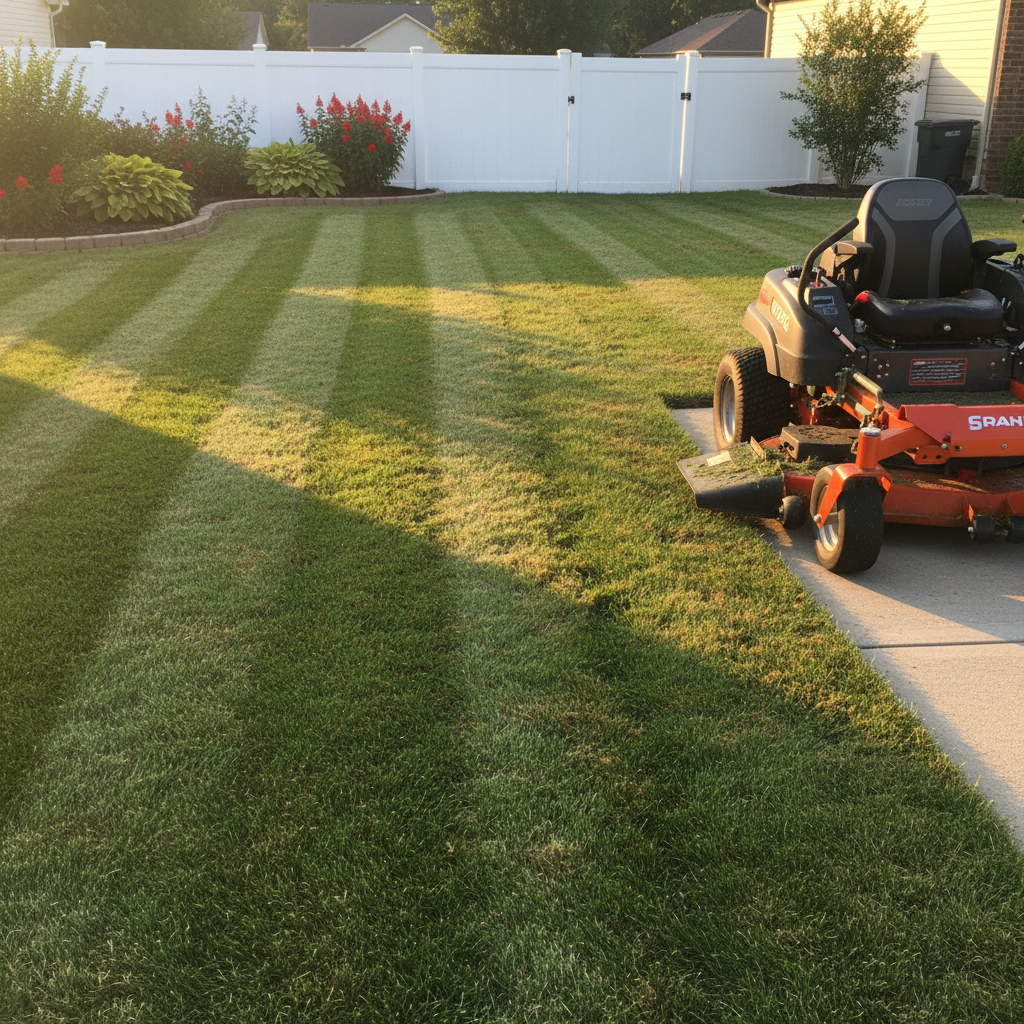
Once you have selected a variety based on light levels, the daily and seasonal workload shifts significantly. The best grass for Tennessee lawn health is only as good as the schedule used to maintain it. Tall Fescue and Bermuda represent opposite ends of the spectrum regarding mowing and nutrition.
Grass Type | Summer Mowing Height | Fertilization Timing | Key Requirement |
|---|---|---|---|
Tall Fescue | 3.5 to 4 inches | Fall and Spring | Annual Overseeding |
Bermuda | 1.5 to 2.5 inches | Late Spring and Summer | Heavy Nitrogen |
Zoysia | 1.5 to 2.5 inches | Summer | Slow-release Nutrients |
Tall Fescue requires a high cut during Gallatin summers to shade the root zone and retain moisture in the clay. Because it is a bunching grass, it cannot self-repair bare spots, making annual fall overseeding a requirement. Bermuda, conversely, thrives with aggressive nitrogen applications during the heat and a much lower mowing height to encourage lateral spreading.
We often hear homeowners ask if Fescue will choke out Bermuda. These two are constant competitors. Bermuda is typically the aggressor because its runners invade Fescue during the summer. Fescue rarely chokes out Bermuda; rather, the two varieties coexist as a patchy mix unless one is professionally suppressed. Our dependable lawn maintenance accounts for these differences by adjusting mower blades and visit frequencies to match the specific growth cycles of your turf.
Summary Comparison: Choosing the Best Grass for Your Property
Choosing the best grass for Tennessee lawn success depends on how you use your property and the amount of daily sunlight it receives. If you have an active family with large dogs or children, Bermuda is the most robust choice due to its rapid self-repair and tolerance for heat. For homeowners who prioritize a green landscape during the gray winter months, Tall Fescue remains the local standard. If you want the premium, manicured look of a resort and have the budget for slower-growing sod, Zoysia offers unmatched density and disease resistance.
Primary Goal | Recommended Variety | Maintenance Focus |
|---|---|---|
Active Kids and Dogs | Bermuda | High nitrogen and low mowing |
Winter Color and Curb Appeal | Tall Fescue | Fall aeration and overseeding |
Luxury Texture and Low Disease | Zoysia | Slow-release fertilizer and patience |
Growing Under Mature Trees | Tall Fescue | High mowing heights to maximize leaf surface |
For the average Gallatin homeowner, Tall Fescue is often the most practical starting point because it handles the dappled shade of mature neighborhoods and avoids the dormant brown look of winter. However, for wide-open lots in newer developments with no shade, Bermuda is often more sustainable against the July sun. To ensure your lawn receives the specific care its variety demands, or to transition a struggling yard to a better-suited turf, contact our team for an evaluation. Our dependable lawn maintenance and specialized lawn care services in Gallatin take the guesswork out of managing the Transition Zone.